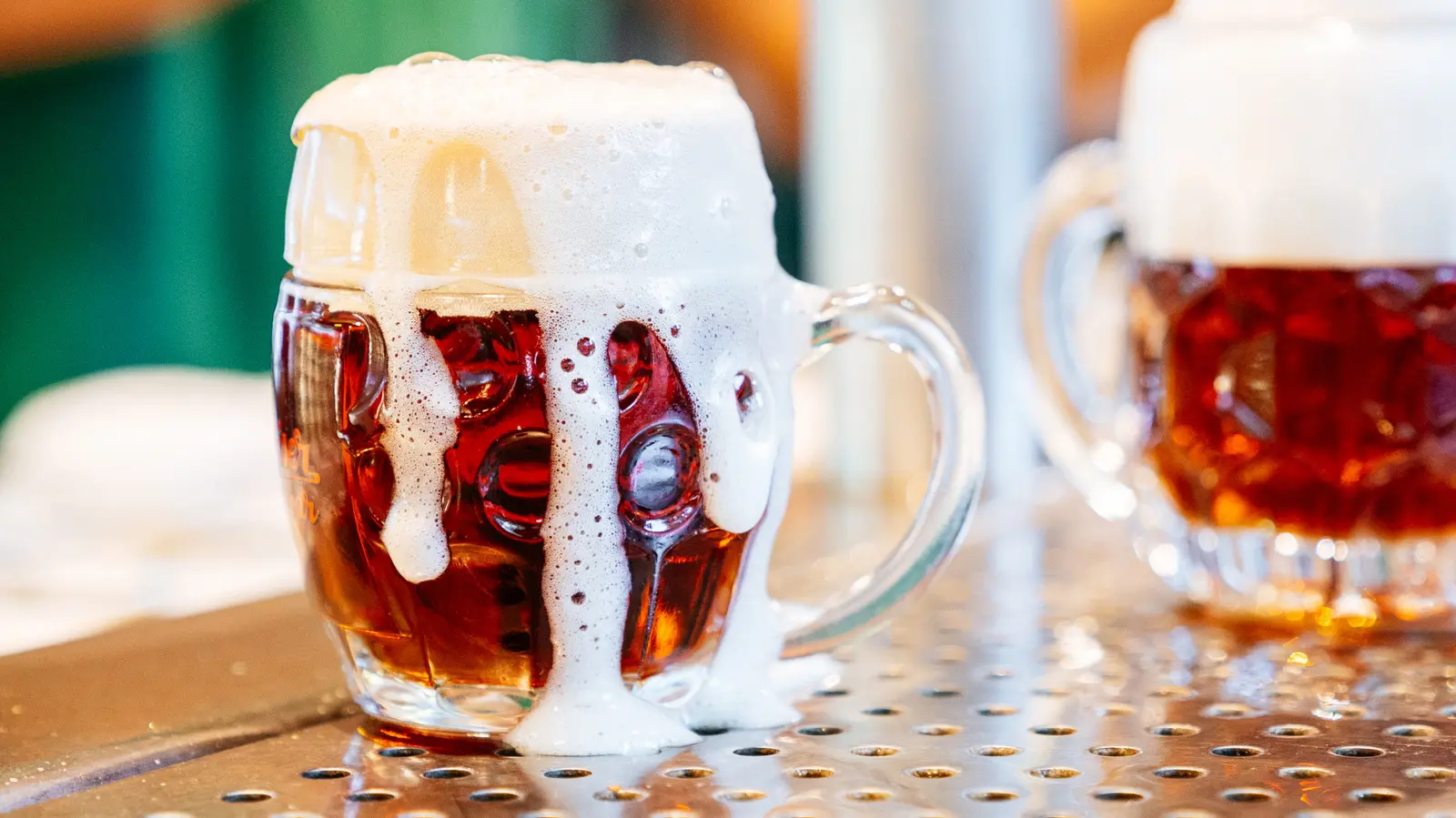
How Pre-Prohibition Lager Was 10x More Flavorful Than Today's Brews
Why Did Flavor Decline After Prohibition?
In the years before Prohibition took effect in 1920, American lagers delivered a far more intense flavor experience than modern versions, according to historical brewing analysis. These pre-1920s beers were brewed with traditional methods and ingredients that have largely disappeared from today’s mass-produced lagers, resulting in a taste profile experts describe as up to ten times more robust and complex. The shift began as industrialization and regulatory changes altered brewing practices nationwide.
Latest news
 The Ultimate Homemade Chili Recipe for Cold Weather
 The Nutritional Power of Pumpkin Beyond Seasonal Desserts
 A Culinary Journey Through the 30th Epcot International Food and Wine Festival
 Burger King Unleashes Hello Kitty Kids' Meal with Ultra-Rare Golden Collectible
The difference stems from several key factors: pre-Prohibition lagers used all-malt recipes without corn or rice adjuncts, relied on longer lagering periods in cool cellars, and featured hop varieties with higher alpha acid content. Brewers also avoided pasteurization, preserving live yeast and volatile flavor compounds that modern filtration and heat treatment strip away. As a result, these older beers exhibited deeper malt sweetness, pronounced hop bitterness, and a livelier, more aromatic character that contemporary light lagers simply cannot match.
Can Modern Craft Brewers Recapture That Lost Flavor?
When Prohibition ended in 1933, surviving breweries prioritized speed, cost, and consistency over flavor to rebuild quickly. The adoption of adjunct grains like corn and rice reduced production costs and created a lighter, more neutral taste appealing to a broader market. Mechanization and refrigeration allowed year-round brewing but shortened aging times, while pasteurization extended shelf life at the expense of flavor complexity. These changes standardized beer but sacrificed the depth that defined pre-Prohibition brews.
Some craft breweries are attempting to revive pre-Prohibition lager styles by using heirloom barley, traditional hop strains, and extended cold conditioning. Though they avoid adjuncts and pasteurization, replicating the exact microbial environment of pre-1920s cellars remains challenging. Still, tasters note that these revival efforts produce lagers with markedly richer malt profiles and hop presence compared to standard commercial offerings, suggesting a partial return to the flavor intensity of a bygone era.
What made pre-Prohibition lagers more flavorful than today’s versions? They used all-malt recipes, traditional hops, longer lagering times, and avoided pasteurization, preserving complex flavor compounds lost in modern industrial brewing.
Frequently Asked Questions
Are any current beers truly similar to pre-Prohibition lagers? A few craft breweries produce authentic-style lagers using historical methods, but none perfectly replicate the original due to differences in yeast strains, water profiles, and aging conditions.
Is it possible to taste an actual pre-1920s beer today? No, no surviving beer from that era remains drinkable; all modern versions are reconstructions based on historical recipes and brewing techniques.
Content written by Lucas Carter for fancy-meals.com editorial team, AI-assisted.