
Home-Cooked Meals Reign Supreme: Unpacking the Science Behind Our Affection
The Psychology of Home Cooking
Home-cooked meals have long been the preferred choice for many, yet the reasons behind this preference remain unclear. Research suggests that a combination of factors contributes to our fondness for homemade food. The sensory experience of cooking, the emotional connection to family and tradition, and the satisfaction of creating something from scratch all play a role in our affinity for home-cooked meals.
Latest news
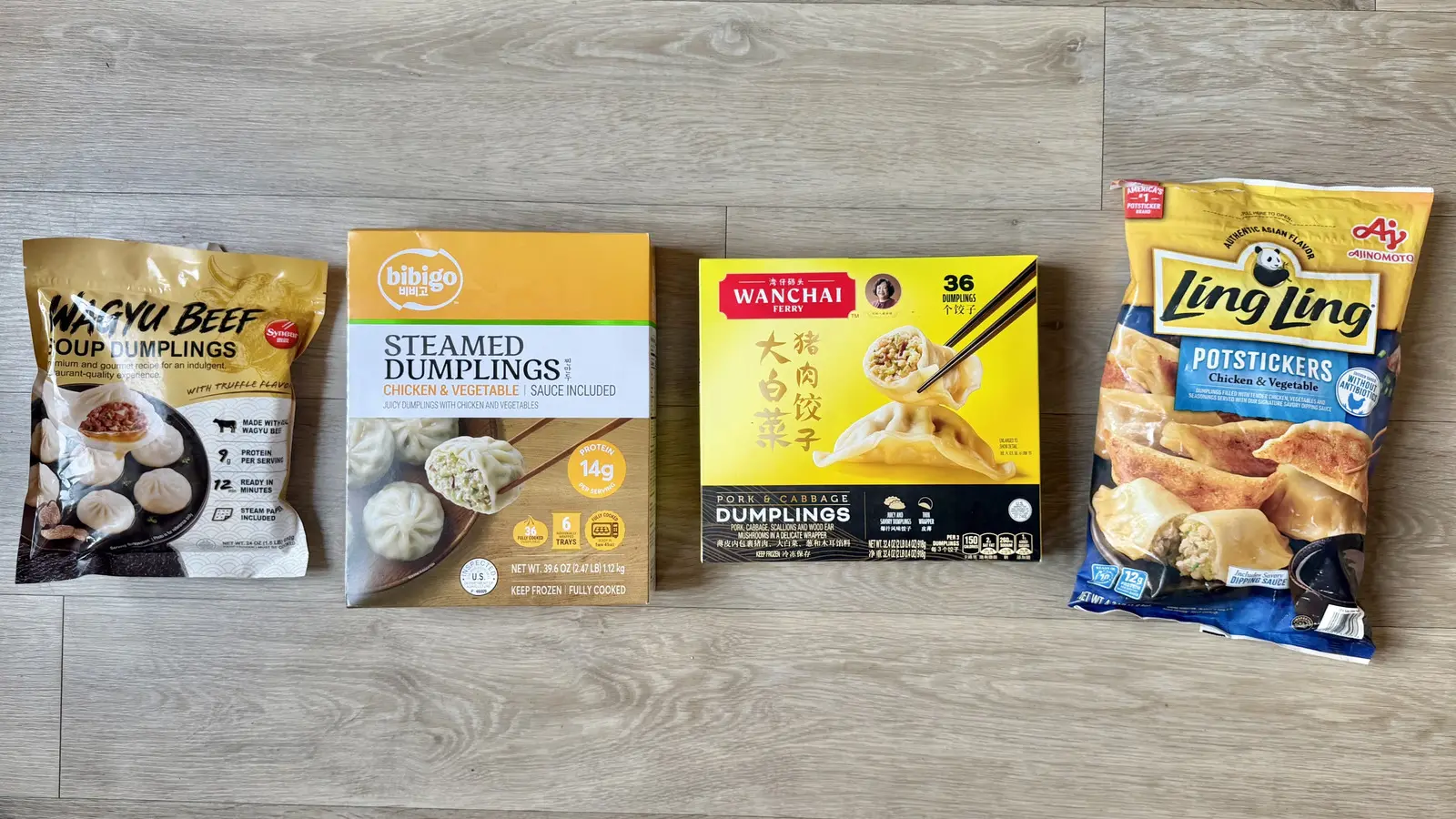 Costco's Frozen Dumpling Lineup, Ranked From Least To Most Tasty
 Best stainless-steel frying pans 2026: expert-tested picks for searing, eggs and daily cooking
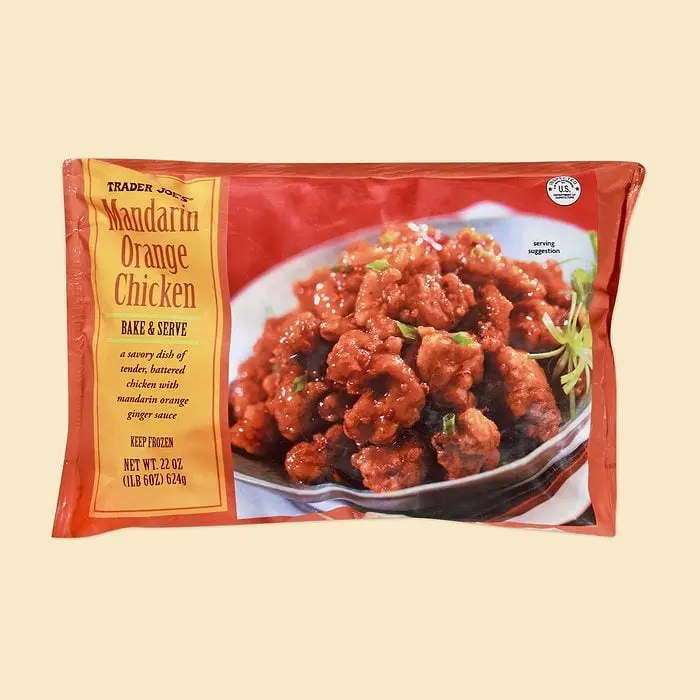 Trader Joe’s First‑Time Shopper Guide: Must‑Try Items
 Panda Express vs P.F. Chang's: Which Orange Chicken Is Healthier?
Studies have shown that the process of cooking can be therapeutic, providing a sense of accomplishment and pride in the finished product. This emotional connection is deeply rooted in our psyche, with many associating home-cooked meals with feelings of comfort and nostalgia. Moreover, the act of cooking allows individuals to express their creativity and experiment with new flavors and ingredients, further solidifying the bond between cook and meal.
The sensory experience of cooking is another crucial aspect of our preference for home-cooked meals. The aromas, textures, and flavors that fill the kitchen during the cooking process stimulate our senses, creating a multisensory experience that is difficult to replicate in a restaurant setting. As one chef notes, „The smell of freshly baked bread or the sound of sizzling vegetables on the stovetop is music to my ears. It's an experience that can't be replicated in a commercial kitchen.” Can Restaurant Food Ever Compare?
The sensory experience of cooking is another crucial aspect of our preference
Despite the best efforts of chefs and restaurateurs, restaurant food often falls short of our expectations when compared to home-cooked meals. The mass production of food in commercial kitchens can result in a lack of personal touch and attention to detail, ultimately affecting the flavor and quality of the final product. Moreover, the convenience and speed of restaurant food often come at the expense of nutritional value and authenticity.
The consequences of our preference for home-cooked meals are multifaceted. On one hand, it encourages individuals to prioritize health and wellness by cooking with fresh, wholesome ingredients. On the other hand, it can also lead to a lack of culinary diversity and exposure to new flavors and cuisines. As the demand for homemade food continues to grow, it will be interesting to see how the food industry adapts to meet this demand.
Frequently Asked Questions
Content written by Lucas Carter for fancy-meals.com editorial team, AI-assisted.