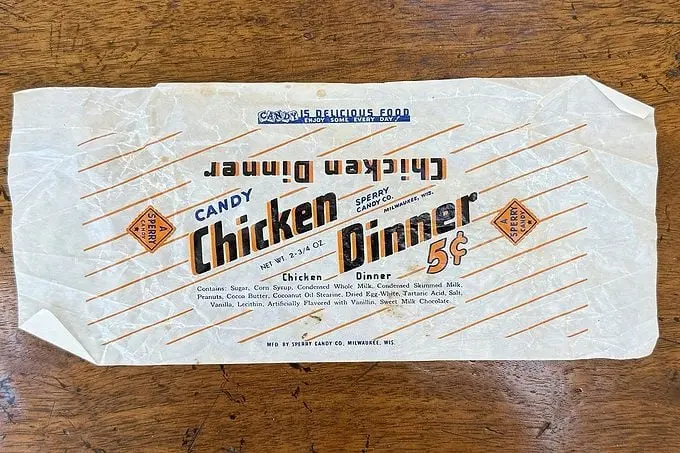
Halloween Candy of the 1960s: A Sweet Time Capsule
From Homemade Garb to Store‑Bought Outfits
In the 1960s, Halloween was a simpler celebration than today’s elaborate affair. Children roamed neighborhoods in homemade costumes, and candy offerings were modest, featuring classic treats that still echo in modern trick‑or‑treat traditions.
Latest news
 What Likely Appeared on the First Thanksgiving Menu in 1621
 Anthony Bourdain’s Most Unforgettable Meals on „No Reservations”
 Mastering the Art of Perfect Pie Baking
 Chocolate Peppermint Whoopie Pies: Holiday Treats Made Easy With Boxed Mix
While many iconic sweets from that decade have vanished, the humble raisin remains a staple. The era’s candy selection leaned heavily on chocolate bars, hard candies, and fruit‑based confections, reflecting both the era’s manufacturing capabilities and the limited variety of mass‑produced treats available at the time.
What Did Kids Eat? A Look at 1960s Treats
Unlike the modern trend of purchasing complete costumes from big-box retailers, 1960s kids often crafted outfits from household items. A girl might don a red scarf and a paper hat to become a witch, while a boy could pair a plastic cape with a baseball cap to transform into a superhero.
This DIY approach fostered creativity and kept costs low, as families rarely spent more than a few dollars on Halloween attire.
In contrast, today’s market offers a wide range of ready‑made costumes, often featuring licensed characters and elaborate accessories. The shift from homemade to store‑bought reflects broader changes in consumer culture, retail expansion, and the rise of media franchises that influence costume trends.
How Did the Candy Industry Evolve?
The candy landscape of the 1960s was dominated by a handful of enduring favorites. Chocolate bars such as Hershey’s Milk Chocolate and Mars Bars were common, as were hard candies like Jolly Ranchers and Lemonheads. Fruit‑based sweets, including gummy bears and fruit chews, also found their place on trick‑or‑treaters’ bags.
Raisins, though not a candy per se, were a popular snack among children. Their inclusion in Halloween celebrations likely stemmed from their affordability and long shelf life.
Will 1960s‑Style Halloween Return?
Over the decades, raisins have maintained a presence in school lunches and snack packs, illustrating how some foods persist while others fade.
Manufacturers in the 1960s focused on producing high‑volume, low‑cost items. Packaging was simple, often featuring bright colors and basic typography. The limited variety meant that many families relied on a few staples, which helped create a shared cultural experience across the country.
Today, candy makers face a crowded market with niche products, health‑conscious alternatives, and a growing demand for artisanal treats. This diversification has both expanded choices and fragmented the once‑uniform candy landscape.
Frequently Asked Questions
While the nostalgia for simpler holidays is strong, the modern consumer’s appetite for convenience and novelty keeps the status quo. However, a growing interest in retro trends suggests that some classic candies and DIY costume ideas could see a resurgence.
Small‑batch confectioners and craft‑based costume makers are already tapping into this market, offering a blend of tradition and contemporary flair.