Grilling Corn on the Cob: Why a Light Olive Oil Rub Makes All the Difference
The Science Behind the Oil Coat
Summer barbecues across the United States are gearing up for the classic side dish—corn on the cob. Chefs and home cooks alike are discovering that a quick brush of olive oil before the grill can keep the kernels moist, boost flavor, and prevent sticking. The tip is gaining traction at backyard cookouts, community festivals, and even upscale grill stations this June.
Latest news
 The Ultimate Homemade Chili Recipe for Cold Weather
 The Nutritional Power of Pumpkin Beyond Seasonal Desserts
 A Culinary Journey Through the 30th Epcot International Food and Wine Festival
 Burger King Unleashes Hello Kitty Kids' Meal with Ultra-Rare Golden Collectible
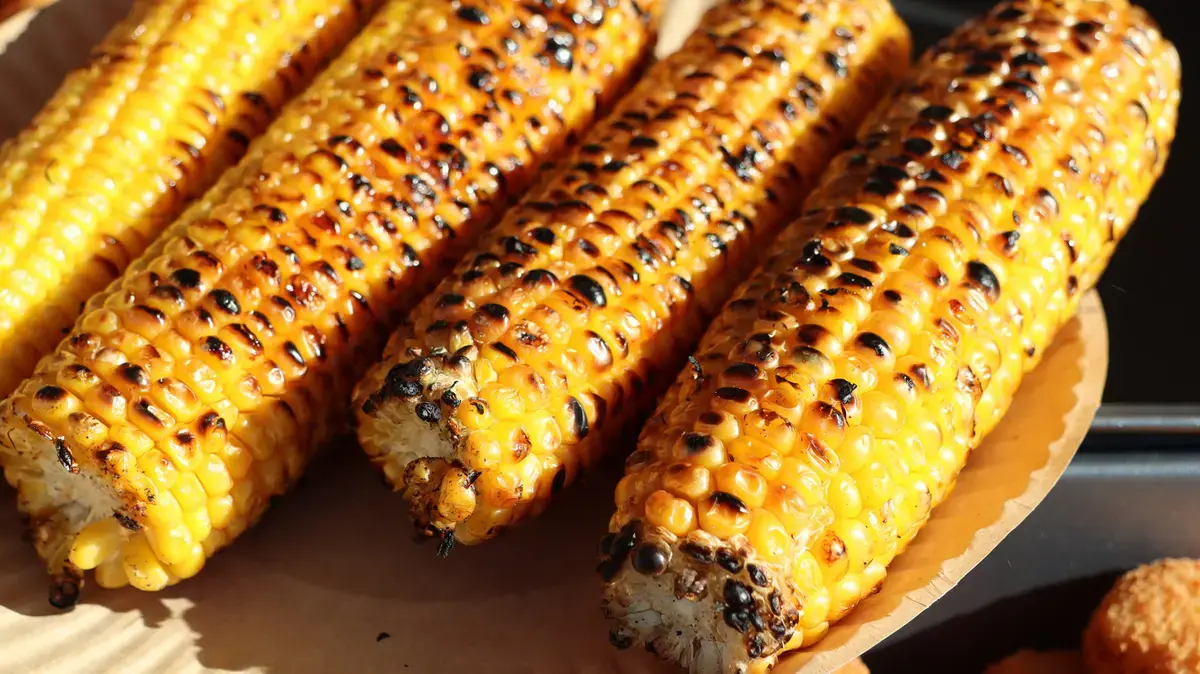
When corn kernels dry out on the grill, they lose their natural sweetness and become tough to bite. Olive oil creates a thin barrier that locks in steam, allowing the corn to cook evenly while developing a subtle caramelized crust. The oil also helps the corn’s natural sugars undergo the Maillard reaction, producing a richer taste without the need for butter or heavy sauces. By coating the cob lightly, cooks can achieve a golden‑brown finish that signals perfect grilling.
Researchers at a culinary institute measured moisture loss in grilled corn with and without an oil coating. The study found that oiled corn retained up to 15 percent more water after a ten‑minute grill, resulting in noticeably juicier kernels. „The oil acts like a seal,” explained culinary scientist Maya Patel. „It slows evaporation, so the corn stays tender while still getting that desirable char.”
Does Olive Oil Really Improve Grill Marks?
Olive oil’s high smoke point also contributes to a clean grill surface. When the oil heats, it forms a thin film that prevents kernels from sticking to the grates, reducing flare‑ups and making cleanup easier. The mild flavor of extra‑virgin olive oil complements the corn’s sweetness without overpowering it, unlike stronger oils that can mask the natural taste.
Grill marks are a visual cue that the corn has been properly seared. Applying olive oil enhances the formation of these marks by promoting even heat distribution across the cob’s surface. „A light brush ensures the heat reaches the kernels uniformly,” said pitmaster Luis Ramirez, who runs a popular food truck in Austin. „Without oil, the corn can scorch in spots, leaving uneven color and texture.”
The oil also helps seasonings adhere better. A sprinkle of sea salt, smoked paprika, or fresh herbs stays in place, delivering a burst of flavor with each bite. Many grill masters now treat the oil as a flavor carrier rather than merely a moisture lock, experimenting with infused oils for added complexity.
As summer grilling season continues, the olive‑oil technique is poised to become a staple in backyard kitchens. Its simplicity, cost‑effectiveness, and proven results make it an attractive option for anyone seeking the perfect corn cob. Expect to see more recipes and cooking videos highlighting this method, reinforcing its place in seasonal culinary lore.
Frequently Asked Questions
Can I use any oil for grilling corn? Yes, but olive oil’s mild flavor and high smoke point make it ideal. Other oils like canola or avocado work, though they may lack the subtle taste olive oil adds.
How much oil should I apply? A thin, even coating is sufficient—about one teaspoon per ear. Too much oil can cause excess smoke and a greasy texture.
Should I season the corn before or after oiling? Apply oil first, then add salt, herbs, or spices. The oil helps the seasonings cling to the kernels during grilling.
Content written by Lucas Carter for fancy-meals.com editorial team, AI-assisted.