Give Cookies a Bakery‑Level Finish with a Simple Cocoa Trick
How the Cocoa Powder Trick Enhances Texture
A new technique lets home bakers add depth and definition to cookies that would otherwise look flat after baking. By sprinkling a thin layer of cocoa powder over the dough before baking, the cookies develop a darker, more textured surface that mimics the look of professionally made pastries.
Latest news
 Best Small-Town Pizza Shops Across Every US Region
 How Early Can You Start Baking Christmas Cookies?
 Moroccan Bastilla: The Layered Chicken Pie That Defies Classification
 Taste of Home Launches 2026 Virtual Cookie Exchange Promotion
The method works because cocoa powder absorbs moisture and creates a slight crust on the dough’s surface. When the cookies bake, the crust sets quickly, preventing the dough from spreading too much and keeping the edges crisp. The result is a cookie that looks as if it has been glazed or frosted, even though no extra glaze is used.
When bakers spread a light dusting of cocoa powder over cookie dough, the powder acts like a barrier. It locks in moisture and slows the rate at which the dough expands. As the cookies bake, the outer layer hardens, giving the cookie a defined edge and a subtle sheen. The interior remains soft and chewy, while the exterior gains a bakery‑like appearance. Many bakers report that this simple step also reduces the need for additional decoration, saving time and effort.
Can You Use Other Powders or Flavors?
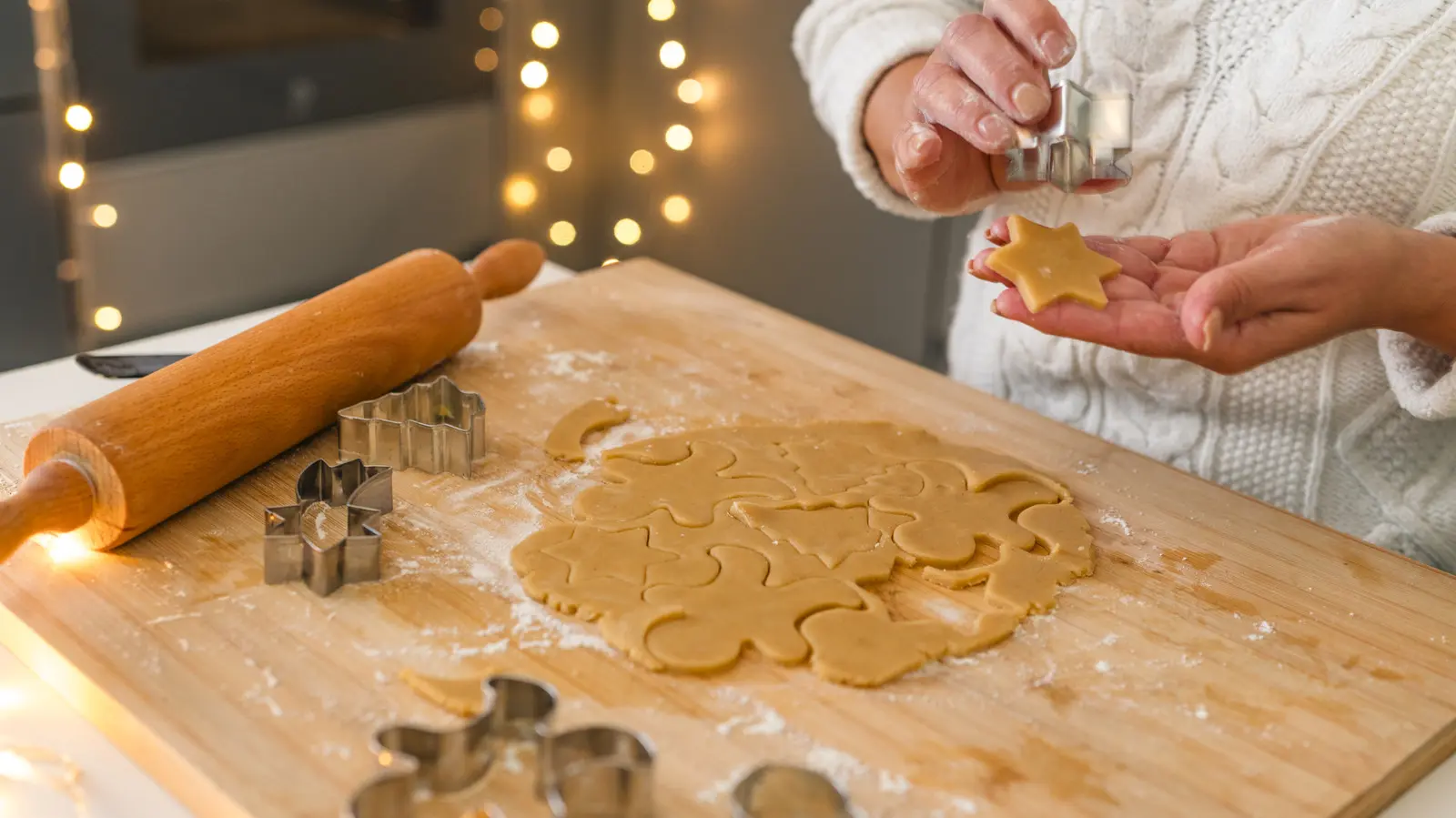
The trick is especially useful for shapes made with cutters or stamps. Without the cocoa layer, the outlines can blur as the dough spreads. With the powder, the outlines stay sharp, and the cookies hold their intended shape even after cooling. Bakers can experiment with different amounts of cocoa to adjust the darkness and texture, tailoring the look to match the cookie’s flavor profile.
Yes, the same principle applies to other dry ingredients. Some bakers have tried using powdered sugar, cinnamon, or even finely ground coffee to create similar effects. However, cocoa powder remains the most popular choice because it provides a neutral, chocolatey tone that complements a wide range of cookie flavors. The key is to use a fine, unsweetened powder to avoid altering the cookie’s taste.
The technique also works with both classic sugar cookies and more complex recipes. When applied to sugar cookies, it gives a subtle chocolate tint that enhances the vanilla or almond base. For chocolate cookies, the cocoa layer deepens the color, making the final product look richer and more professional.
What Are the Long‑Term Benefits for Home Bakers?
Adopting this cocoa trick can improve the overall quality of homemade cookies. By preventing excessive spreading, bakers achieve consistent size and shape, which is crucial for portion control and presentation. The method also reduces the likelihood of uneven baking, as the crust helps regulate heat distribution across the cookie’s surface. Over time, bakers may find that this small adjustment leads to fewer mistakes and more satisfied guests.
In addition, the visual appeal of bakery‑style cookies can boost confidence for those who enjoy sharing their creations on social media or at gatherings. A well‑finished cookie looks as if it came from a professional kitchen, enhancing the perceived value of a homemade treat. As more home bakers adopt the technique, the overall standard of homemade cookie quality is likely to rise.
Frequently Asked Questions
How much cocoa powder should I use? Use a light dusting—about one teaspoon per batch. Too much can make the cookies bitter or overly dry.
Can I use chocolate chips instead of cocoa powder? Chocolate chips won’t create the same crust effect. They melt and spread, so the cookie edges remain soft.
Will this technique work with all cookie types? It works best with doughs that tend to spread, such as sugar or butter cookies. Harder doughs may not need the cocoa layer.