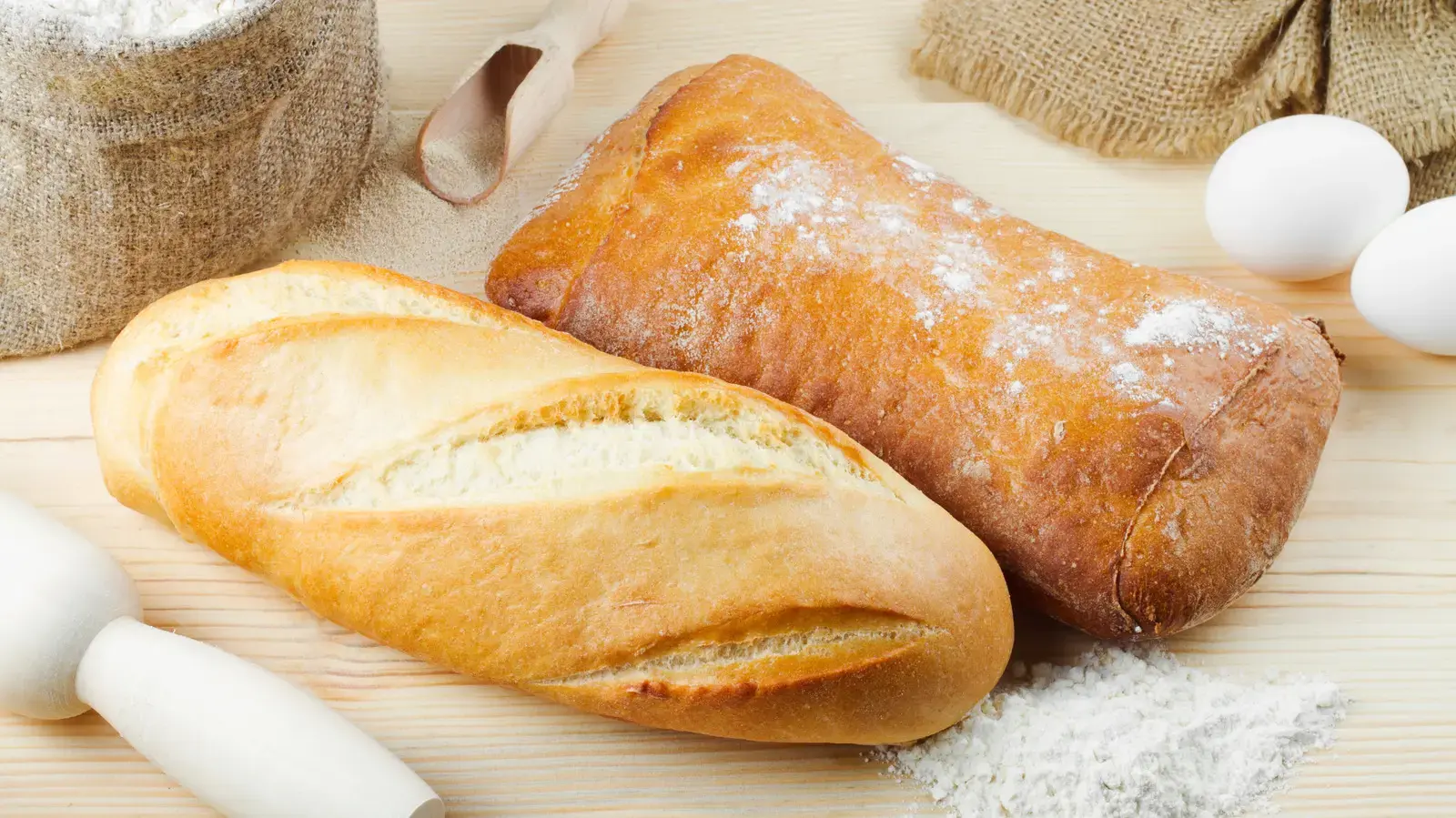
French Vs Italian Bread: The Difference Between The Two Everyone Should Know
Italian breads frequently include olive oil, which tenderizes the gluten and
French and Italian breads are staples in their respective countries but often confused in the United States due to similar appearances. While both are beloved worldwide, they differ significantly in ingredients, texture, and traditional uses, reflecting distinct culinary traditions that have evolved over centuries. French bread, exemplified by the baguette, features a crisp crust and airy interior made from just flour, water, yeast, and salt. Italian bread, such as ciabatta or focaccia, tends to be softer with a chewier crumb, often incorporating olive oil and sometimes milk or sugar for richness. These differences stem from regional baking practices and historical preferences for how bread accompanies meals. How Ingredients Shape Texture and Flavor The simplicity of French bread dough allows for a pronounced wheat flavor and a shatteringly crisp crust when baked with steam.
Latest news
 Prosciutto Elevates the Classic Grilled Cheese Sandwich
 Costco Frozen Shrimp Rivals Steakhouse Appetizers
 Skip Store‑Shelf German Chocolate for This Rich Duncan Hines Cake Mix
 Severed Sun: A Blood-Red Bourbon Halloween Cocktail
Italian breads frequently include olive oil, which tenderizes the gluten and creates a more moist, open crumb structure ideal for soaking up sauces or holding fillings. Focaccia, for instance, is dimpled and topped with herbs, showcasing its role as a savory snack rather than just a meal accompaniment. What Role Does Bread Play in Each Culture? In France, bread is a daily necessity, often bought fresh multiple times a day and eaten plain or with simple accompaniments like cheese. In Italy, bread varies by region but is commonly used to make panini, served alongside soups, or transformed into dishes like panzanella. The cultural context influences not only how bread is made but also how it is consumed throughout the day. Frequently Asked Questions Why does French bread go stale faster than Italian bread?
French bread lacks fat, which acts as a preservative, so it dries out quickly and is best eaten the same day. Italian breads with olive oil retain moisture longer, staying soft for up to two days. Can you substitute French bread for Italian bread in recipes? It depends on the dish; French bread works well for bruschetta if toasted, but its lack of oil may make it less ideal for recipes requiring a tender, absorbent crumb like bread pudding or stuffed sandwiches. Are there sweet versions of these breads? While traditional French and Italian breads are savory, Italy has sweet variations like panettone, and France offers brioche, though these are considered enriched breads distinct from the classic daily loaves discussed here.
Content written by Tasting Table for fancy-meals.com editorial team, AI-assisted.