French Ratatouille Gets a Cozy Autumn Twist for Home Cooks
Swapping Summer Veggies for Earthy Autumn Roots
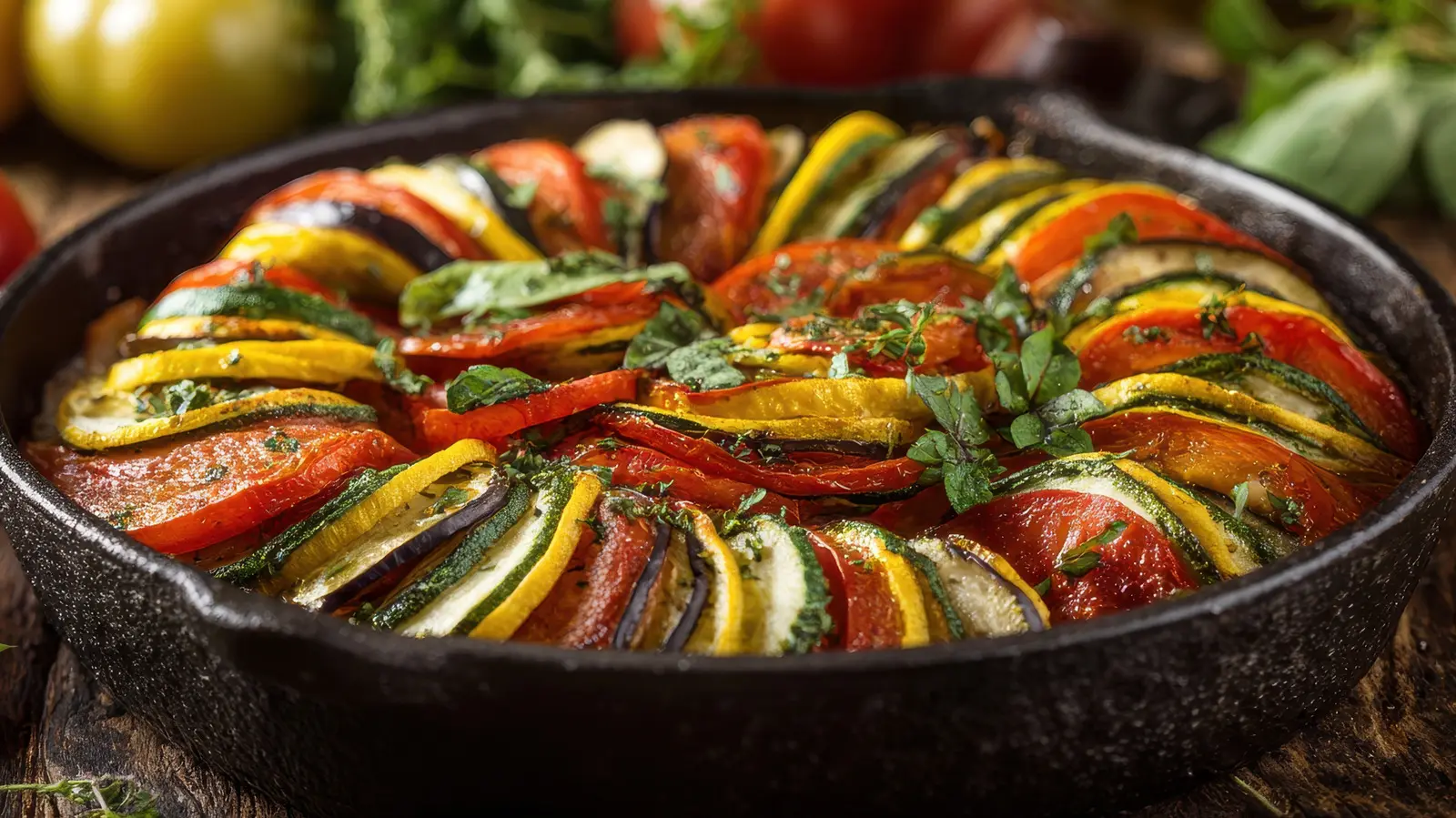
A classic French vegetable stew is undergoing a seasonal transformation. Home cooks are now adapting the traditional ratatouille for autumn dining. This shift moves the dish away from its summer origins. The goal is to create a warmer, heartier meal. Chefs are swapping out bright summer vegetables for robust fall produce. This change results in a deeper flavor profile. The dish remains easy to prepare but feels more substantial. It serves as a comforting option for cooler evenings. The update respects the original technique while embracing new ingredients.
Latest news
 The Ultimate Homemade Chili Recipe for Cold Weather
 The Nutritional Power of Pumpkin Beyond Seasonal Desserts
 A Culinary Journey Through the 30th Epcot International Food and Wine Festival
 Burger King Unleashes Hello Kitty Kids' Meal with Ultra-Rare Golden Collectible
The traditional ratatouille relies heavily on zucchini, eggplant, peppers, and tomatoes. These ingredients define the summer version of the dish. However, the autumn makeover replaces them with denser crops. Cooks are using root vegetables like carrots and parsnips. Squash varieties, such as butternut or acorn, join the mix. These additions provide natural sweetness and texture. The cooking process remains largely unchanged. Slices are layered carefully in a casserole dish. A rich tomato base still binds the components together. Herbs like thyme and rosemary enhance the earthy tones. The result is a dish that feels grounded and warm. It suits the changing weather perfectly. The visual appeal shifts from vibrant greens to golden browns. This aesthetic change matches the season’s mood. The flavor becomes less acidic and more savory.
Does This Change Ruin the Classic Recipe?
Purists might worry about altering a beloved classic. Yet, many culinary experts embrace this flexibility. The core principle of ratatouille is layered vegetables. The specific types can vary based on availability. Autumn ingredients offer unique sugars that caramelize well. This adds complexity to the final taste. The dish retains its rustic charm. It does not require expensive or rare items. Most households already have these root vegetables. The preparation time stays under an hour. Baking allows the flavors to meld slowly. The outcome is a cohesive, hearty plate. It pairs well with crusty bread or rice. This adaptability ensures the dish remains relevant year-round. It proves that tradition can evolve without losing its soul. The community response has been positive. Many diners appreciate the novelty. They find the autumn version surprisingly satisfying.
Can I use frozen vegetables for this dish? Yes, frozen root vegetables work well if thawed properly. Pat them dry before layering to prevent excess moisture. This ensures the sauce thickens correctly during baking.
Frequently Asked Questions
How long should the casserole bake? Bake at a moderate temperature for approximately forty-five minutes. Cover with foil for the first half to steam the roots. Uncover for the last fifteen minutes to brown the top.
Is this dish suitable for vegetarians? Absolutely, the recipe is naturally vegetarian. It focuses on plant-based ingredients and herbs. You can add cheese on top for extra richness if desired.
Content written by Tasting Table for fancy-meals.com editorial team, AI-assisted.