For More Flavorful Cabbage, Add This Creamy Sauce That's Sitting In Your Fridge
This method works especially well with shredded or chopped green or Savoy
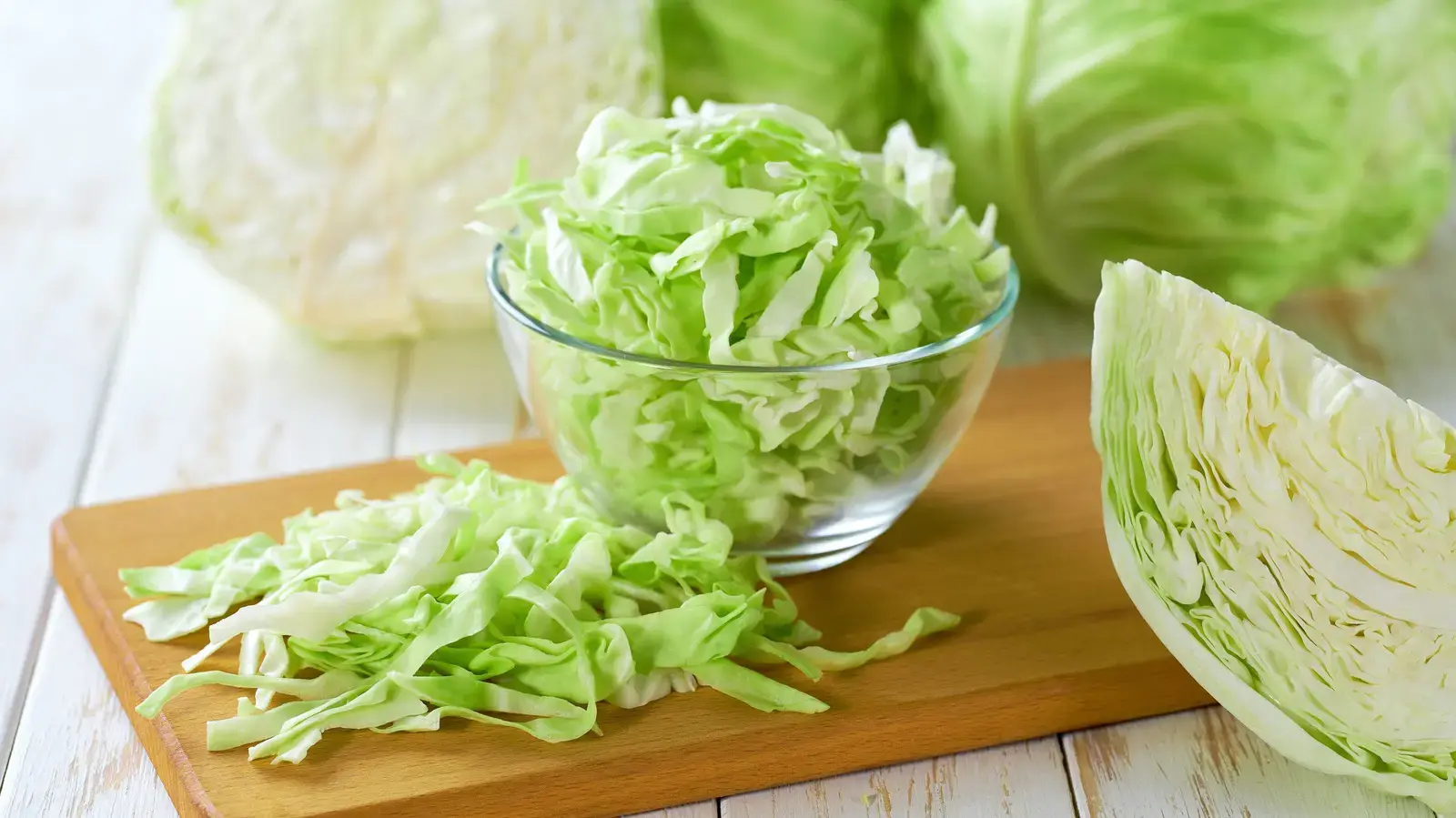
A simple pantry staple can transform ordinary cabbage into a rich, savory side dish in minutes. This quick upgrade uses a creamy sauce many already have refrigerated, adding depth without extra shopping or prep time. Ideal for busy weeknights, it brings umami and saltiness to a vegetable often overlooked for its bland reputation. The sauce in question is likely mayonnaise-based or a similar dairy blend, which when warmed slightly and mixed with cabbage creates a coating that clings to each leaf. As the cabbage wilts gently in the heat, it absorbs the sauce’s richness, balancing its natural crunch with a smooth, satisfying texture.
Latest news
 Grocery Store Coffee Beans Deliver Café‑Like Flavor
 One Simple Kitchen Staple Makes Bottled Sweet Tea Taste Homemade
 Never Use A Mashed Potato Recipe Again With These Ratios From Alton Brown
 Classic Margarita Gets an Italian Twist
This method works especially well with shredded or chopped green or Savoy cabbage, turning a basic ingredient into something that feels indulgent yet requires minimal effort. How Does Heat Change the Sauce and Cabbage Together? When the creamy sauce meets warm cabbage, its fats emulsify slightly, helping it adhere better than when cold. The mild heat also softens the cabbage’s fibrous structure, making it more receptive to flavor absorption. This process doesn’t cook the cabbage into mush but instead achieves a tender-crisp contrast that enhances mouthfeel. The result is a dish where the sauce doesn’t just sit on top but integrates, delivering salty, umami notes in every bite. Can This Trick Work With Other Vegetables? Yes, the same technique applies to sturdy greens like kale, collards, or even Brussels sprouts, though cooking times may vary.
Denser vegetables benefit from a brief sauté before adding the sauce to ensure tenderness.
The key is matching the vegetable’s texture to the sauce’s thickness—thicker
The key is matching the vegetable’s texture to the sauce’s thickness—thicker sauces coat heartier greens best, while looser blends suit more delicate leaves. Experimenting with herbs or spices like garlic powder, paprika, or black pepper can further tailor the flavor profile to match the main course. The approach highlights how overlooked fridge items can elevate everyday meals without complexity. By rethinking basic condiments as flavor builders, home cooks can reduce waste and add variety to routine dishes. This method doesn’t require special skills or ingredients, making it accessible for anyone looking to boost taste with what’s already on hand. Over time, such small adjustments can shift habits toward more creative, resourceful cooking. Frequently Asked Questions What type of cabbage works best with this creamy sauce method? Green cabbage and Savoy cabbage are ideal due to their layered leaves and ability to hold texture when warmed.
Red cabbage can also be used, though its color may bleed slightly into the sauce, altering appearance but not taste. Shredding or chopping ensures even coating and faster warming. Is it necessary to heat the sauce before adding it to cabbage? Warming the sauce slightly improves its ability to cling and blend with the cabbage, but it’s not strictly required. Cold sauce can still work if tossed thoroughly and allowed to sit for a few minutes, letting residual heat from the cabbage soften it gradually. Can this method be made healthier by substituting the sauce? Yes, using Greek yogurt, light mayo, or avocado-based blends reduces fat while maintaining creaminess. These alternatives may add tanginess, so adjusting seasoning with a pinch of salt or lemon juice helps balance the flavor. The core technique remains the same regardless of the base used.
Content written by Isabelle Fontaine for fancy-meals.com editorial team, AI-assisted.