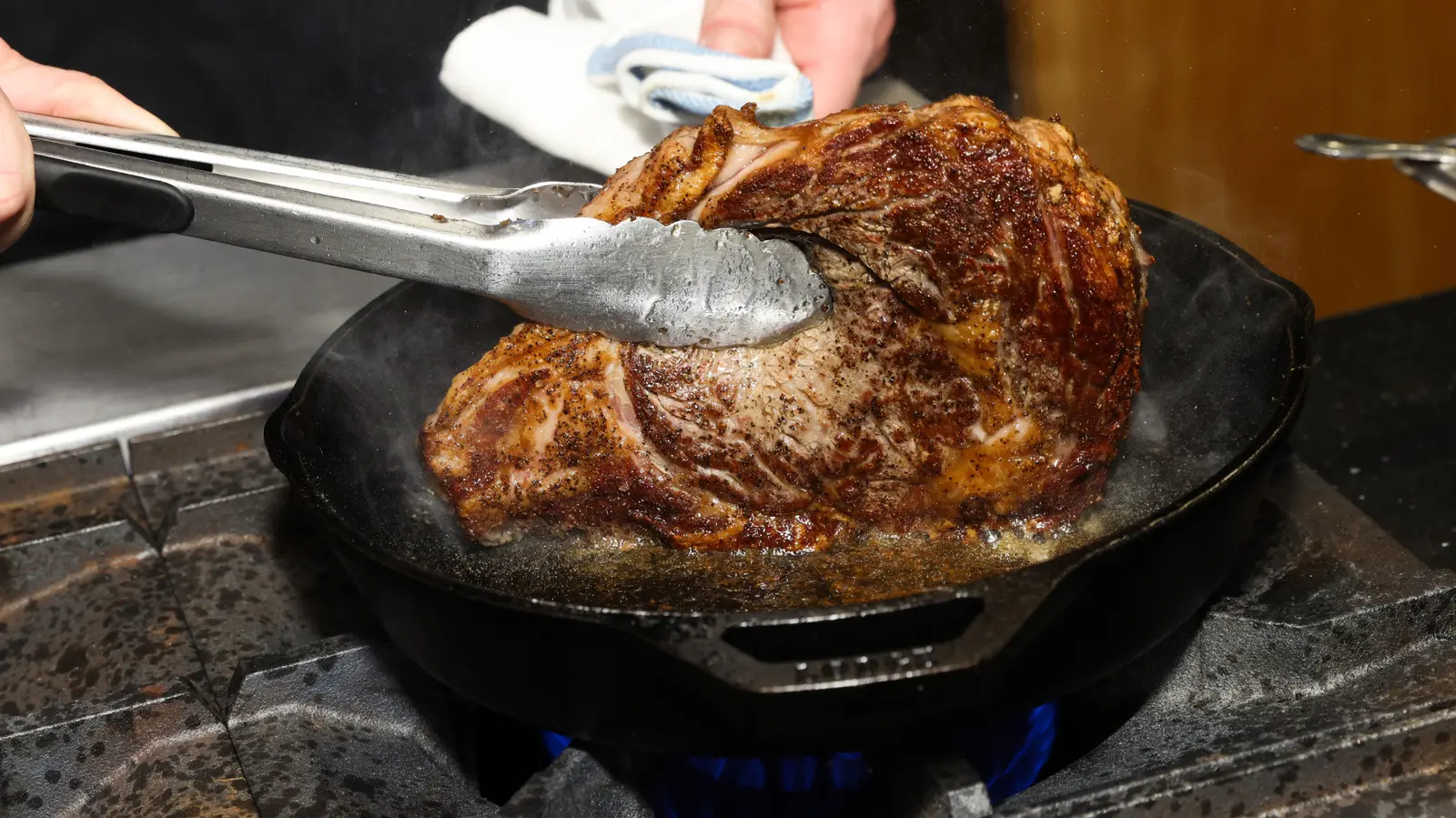
Flip Your Ribeye Multiple Times for a Crispy Crust and Juicy Interior
Why Frequent Flipping Works Better Than Once-Per-Side
Cooking enthusiasts seeking the ideal ribeye steak can achieve both a golden-brown crust and a tender, juicy interior by flipping the meat more than once during searing. The technique, recently highlighted by culinary experts, challenges the traditional advice of flipping a steak only once per side.
Latest news
 The Ultimate Homemade Chili Recipe for Cold Weather
 The Nutritional Power of Pumpkin Beyond Seasonal Desserts
 A Culinary Journey Through the 30th Epcot International Food and Wine Festival
 Burger King Unleashes Hello Kitty Kids' Meal with Ultra-Rare Golden Collectible
The method involves repeatedly turning the ribeye every 30 to 60 seconds while cooking in a hot pan with oil or butter. This constant motion prevents any single side from overcooking, promoting even heat distribution and a uniform pink center. The frequent flipping also encourages the formation of a robust Maillard reaction crust across the entire surface, rather than just the initial contact points.
Traditional steak-cooking wisdom suggests searing each side for several minutes to develop a crust. However, this approach often leads to overcooked edges and an uneven interior. By flipping the ribeye multiple times, heat penetrates more consistently, reducing the risk of a gray band forming beneath the crust. The rapid turnover also means the surface doesn't remain in contact with the pan long enough to burn, while still achieving deep browning.
Can You Over-Flip a Steak?
Food scientists explain that the Maillard reaction—the chemical process responsible for the savory crust—occurs rapidly at high temperatures. Short, repeated exposures to heat allow this reaction to build gradually without overwhelming the meat. Additionally, constant flipping helps render fat evenly, contributing to both flavor and texture.
While frequent flipping is beneficial, there is a practical limit. Flipping too aggressively can prevent the formation of any crust at all, as the surface doesn't spend enough time at the right temperature to caramelize. The key is finding a rhythm—typically every 30 seconds to a minute—that balances crust development with even cooking.
Chefs recommend using a heavy-bottomed skillet, such as cast iron, and maintaining consistent heat. A meat thermometer can help monitor internal temperature, ensuring the steak reaches the desired doneness without guesswork. For best results, allow the steak to come to room temperature before cooking and season generously with salt and pepper.
The takeaway is clear: abandoning the once-per-side rule in favor of multiple flips can elevate a simple ribeye into a restaurant-quality dish. This method not only improves texture and appearance but also reduces the likelihood of overcooking, making it ideal for both novice and experienced cooks.
Frequently Asked Questions
How often should I flip my ribeye? Flip the ribeye every 30 to 60 seconds while searing. This ensures even cooking and a consistent crust without burning.
Does flipping more times dry out the steak? No, frequent flipping actually helps retain moisture by preventing overcooking on any one side and promoting even heat distribution.
What pan is best for this technique? A cast-iron skillet is ideal because it retains heat well and provides even cooking, essential for achieving a proper sear with multiple flips.
Content written by [email protected] (Alan Bradley) for fancy-meals.com editorial team, AI-assisted.