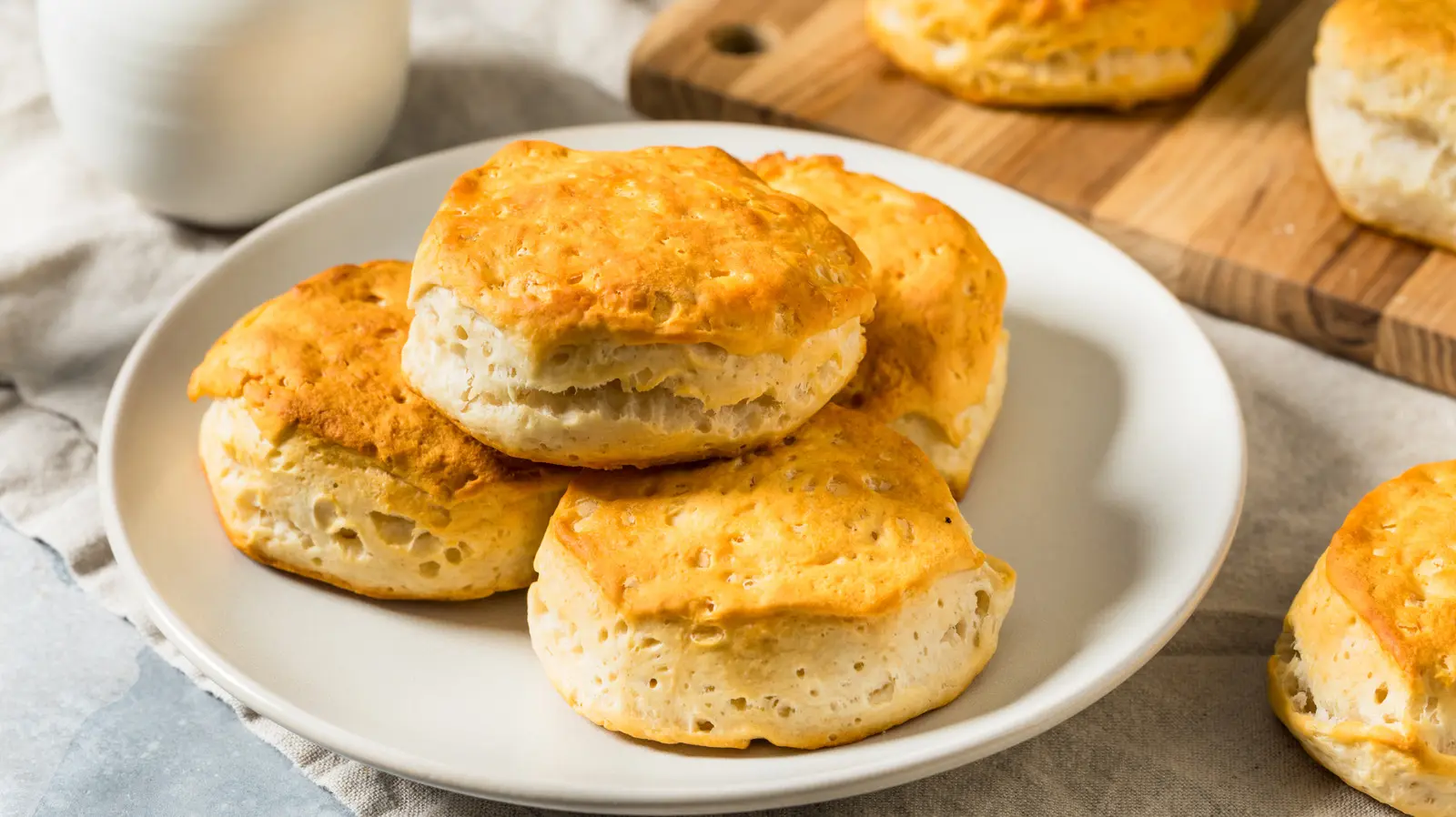
Elevate Your Homemade Biscuits Using Brown Butter
Unlocking Deep Toasted Aromas
Home bakers looking to upgrade their biscuit game can achieve a professional-level flavor profile with one simple kitchen technique. By swapping standard melted butter for brown butter before baking, you infuse every bite with a deep, nutty complexity. This effortless adjustment transforms basic dough into a gourmet treat right in your own oven.
Latest news
 Anthony Bourdain’s Most Unforgettable Meals on „No Reservations”
 Mastering the Art of Perfect Pie Baking
 Chocolate Peppermint Whoopie Pies: Holiday Treats Made Easy With Boxed Mix
 Ree Drummond Shares 10 Tips for the Perfect Thanksgiving Turkey
The process of browning butter involves heating the fat until the milk solids toast and turn a golden amber color. This reaction, known as the Maillard reaction, creates a toasted aroma that standard butter lacks. Brushing this liquid gold over the tops of your biscuits before they hit the oven ensures a rich, savory finish that pairs perfectly with both sweet jams and salty spreads.
Why Does Browning Butter Change the Taste?
Brown butter adds a layer of sophistication that standard dairy cannot replicate. As the butter cooks, the water evaporates and the proteins caramelize. This creates a concentrated flavor profile that enhances the natural buttery notes of the biscuit dough. It is an ideal way to add depth to any traditional recipe without requiring complicated ingredients or extra time.
The secret lies in the transformation of milk solids during the heating process. When butter melts, it remains relatively neutral in flavor. However, when you continue heating it, the sugars and proteins begin to brown. This chemical change results in a distinct, nutty essence that elevates the overall quality of your baked goods.
Applying this technique is straightforward for any skill level. Simply melt your butter in a saucepan over medium heat while swirling it constantly. Once the butter develops a fragrant, nutty scent and shows brown specks, remove it from the heat immediately to prevent burning. Use a pastry brush to apply it generously to the biscuit tops for a golden, flavorful crust.
Frequently Asked Questions
Can I use salted or unsalted butter for this? Either type works well, though unsalted butter gives you better control over the final salt level. If you use salted butter, consider reducing any additional salt in your biscuit dough.
How do I know when the butter is perfectly browned? Watch for the color to shift from yellow to a deep, toasted amber. You will notice a nutty aroma and small brown bits forming at the bottom of the pan.