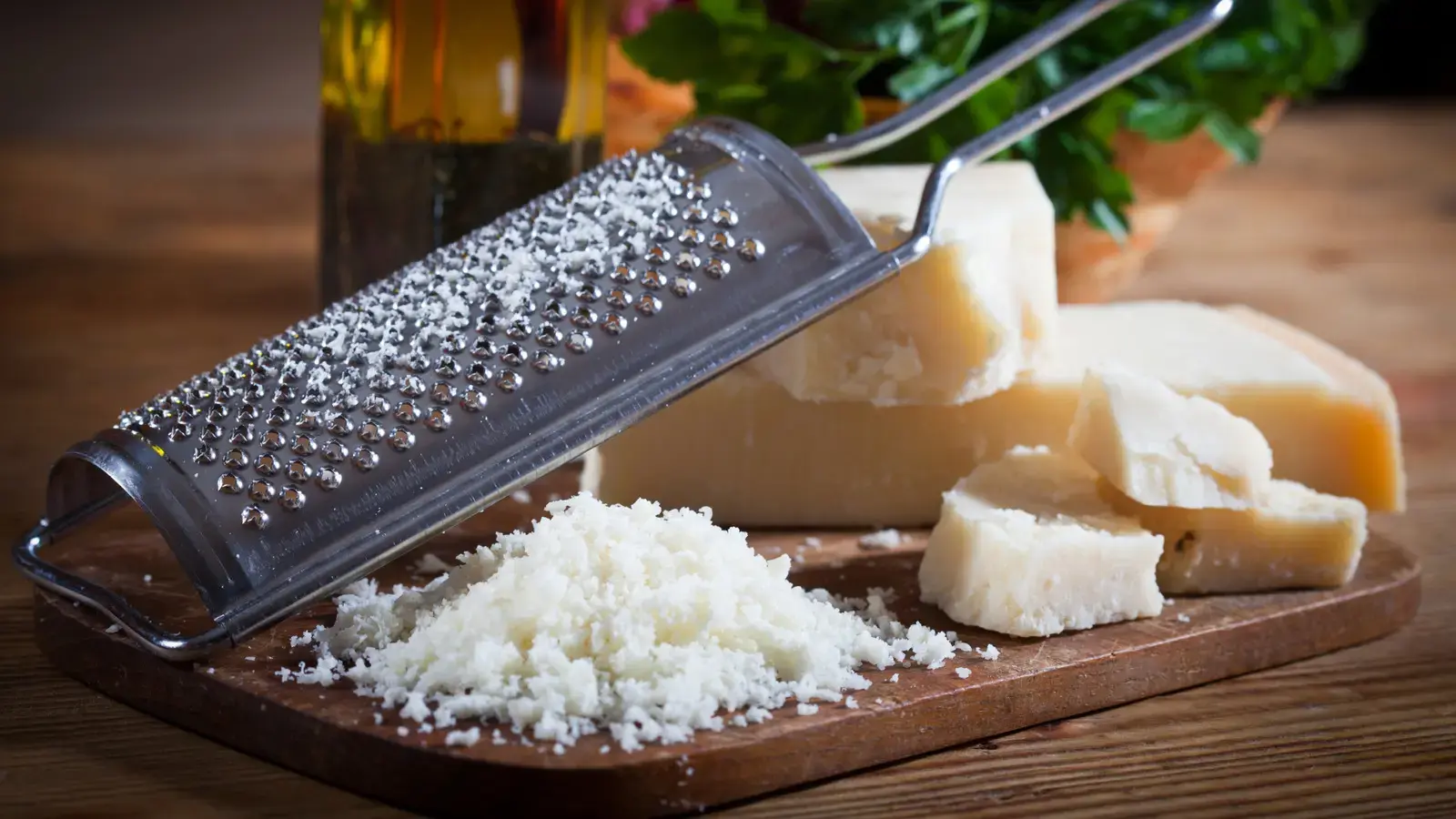
Dress Up Your Eggs With a Cacio e Pepe Twist
How the Cacio e Pepe Coating Works
A new breakfast trend is turning ordinary fried eggs into a gourmet experience by coating them with the classic Italian cacio e pepe seasoning. The idea, popularized by food writer Amy Andrews on September 8, 2026, suggests a quick, flavorful upgrade that can be made at home with just three pantry staples: cheese, pepper, and butter.
Latest news
 The Ultimate Homemade Chili Recipe for Cold Weather
 The Nutritional Power of Pumpkin Beyond Seasonal Desserts
 A Culinary Journey Through the 30th Epcot International Food and Wine Festival
 Burger King Unleashes Hello Kitty Kids' Meal with Ultra-Rare Golden Collectible
The technique involves frying the egg as usual, then sprinkling a mixture of grated Pecorino Romano, freshly cracked black pepper, and a pat of butter over the hot surface. The heat melts the cheese, creating a creamy, peppery sauce that clings to the yolk and whites. Andrews notes that the method adds a „silky, cheesy finish” that transforms the humble egg into a dish worthy of a café menu. The approach is especially appealing to those who find daily egg routines monotonous but want to avoid elaborate cooking steps.
The magic lies in the timing. After the egg sets, a generous pinch of Pecorino is scattered across the pan. The cheese begins to melt instantly, thanks to the residual heat. Adding a dash of coarsely ground black pepper at this stage releases its aromatic oils, intensifying the flavor. Finally, a small knob of butter is introduced, creating a glossy sheen that binds the cheese and pepper to the egg. The result is a velvety coating that softens the pepper’s bite while preserving its zing. Home cooks report that the dish takes no more than five minutes from pan to plate, making it a practical option for busy mornings.
Can This Simple Upgrade Replace Traditional Breakfast Staples?
Many readers wonder whether the cacio e pepe egg can stand alone or if it needs accompaniment. Nutritionists point out that the addition of cheese and butter modestly raises the calorie count, but also boosts protein and calcium intake. „If you pair it with whole‑grain toast or a side of sautéed greens, you get a balanced meal without extra fuss,” says dietitian Laura Martinez. The flavor profile also pairs well with a light drizzle of lemon juice or a sprinkle of fresh herbs, offering versatility for different palates. As the trend spreads on social media, cafés are experimenting with the concept, adding toppings like smoked salmon or avocado to create upscale brunch options.
The cacio e pepe egg is poised to become a staple for those seeking variety without complexity. Its simplicity invites experimentation, while its roots in classic Italian cuisine lend it an air of sophistication. As more kitchens adopt the method, the humble fried egg may finally shed its reputation as a bland breakfast staple.
Frequently Asked Questions
What type of cheese works best for cacio e pepe eggs? Pecorino Romano is traditional because of its sharp, salty flavor, but Parmesan or Grana Padano can be used as milder alternatives.
Do I need to use a non‑stick pan? A well‑seasoned cast‑iron skillet or a non‑stick pan works best to prevent the cheese from sticking and to achieve an even coating.
Can I make this dish vegan? Replace the cheese with a fortified nutritional yeast blend and use plant‑based butter; the peppery flavor remains authentic.
Content written by Victoria Lane for fancy-meals.com editorial team, AI-assisted.