
Does Pasta Water Volume Really Matter?
The Science Behind Starchy Water
Cooking pasta seems simple. It’s a kitchen staple enjoyed worldwide. But a surprising debate exists about the ideal amount of water. Chefs and home cooks disagree on this fundamental step.
Latest news
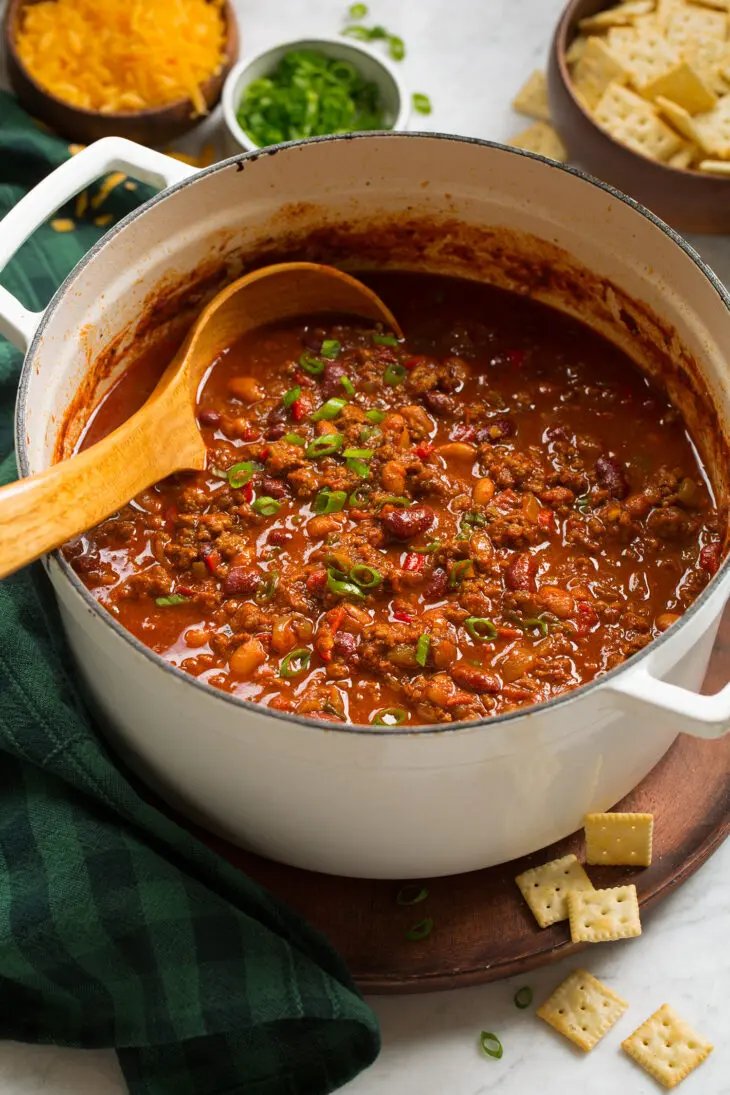 The Ultimate Homemade Chili Recipe for Cold Weather
 The Nutritional Power of Pumpkin Beyond Seasonal Desserts
 A Culinary Journey Through the 30th Epcot International Food and Wine Festival
 Burger King Unleashes Hello Kitty Kids' Meal with Ultra-Rare Golden Collectible
Pasta’s adaptability is well known. It pairs with elaborate sauces or simple seasonings. Many shapes exist, each with devoted fans. Penne is a popular choice for its versatility. Cooking pasta appears straightforward, yet details matter.
The volume of water impacts starch release. More water dilutes the starch. This prevents sticking and creates a better sauce emulsion. Less water concentrates starch, potentially leading to gummy pasta. The goal is to achieve a balance.
Does Less Water Mean Less Flavor?
Professional chefs often advocate for large volumes. This ensures even cooking and prevents clumping. Some believe six quarts of water per pound of pasta is ideal. Home cooks may use less, prioritizing water conservation. Both approaches can yield acceptable results. The key is consistent stirring during the initial minutes.
Some argue that discarding a large volume of starchy water wastes flavor. This water is often used to finish sauces. It helps bind the sauce to the pasta, creating a creamy texture. Using less water concentrates the starch. This can thicken the sauce quickly.
However, overly starchy sauce can become gluey. The right amount of starch provides a desirable consistency. It’s a delicate balance achieved through practice and observation. Experienced cooks adjust water levels based on pasta shape and desired sauce thickness.
Ultimately, the amount of water isn't a rigid rule. It’s a variable to consider alongside other factors. Pasta quality, cooking time, and sauce ingredients all play a role. A generous amount of water generally leads to better results. But careful attention and technique can compensate for smaller volumes.
Frequently Asked Questions
Is salted water important? Yes, salting the pasta water is crucial. It seasons the pasta from within. Add salt generously, aiming for a taste similar to seawater.
Can I reuse pasta water? Pasta water is best used immediately. It loses its starchy properties as it cools. Save a cup or two for sauce finishing.
What about no-boil pasta? No-boil pasta requires a different approach. It's designed to absorb liquid directly in the sauce. Follow package instructions carefully for best results.
Content written by Henry Cross for fancy-meals.com editorial team, AI-assisted.