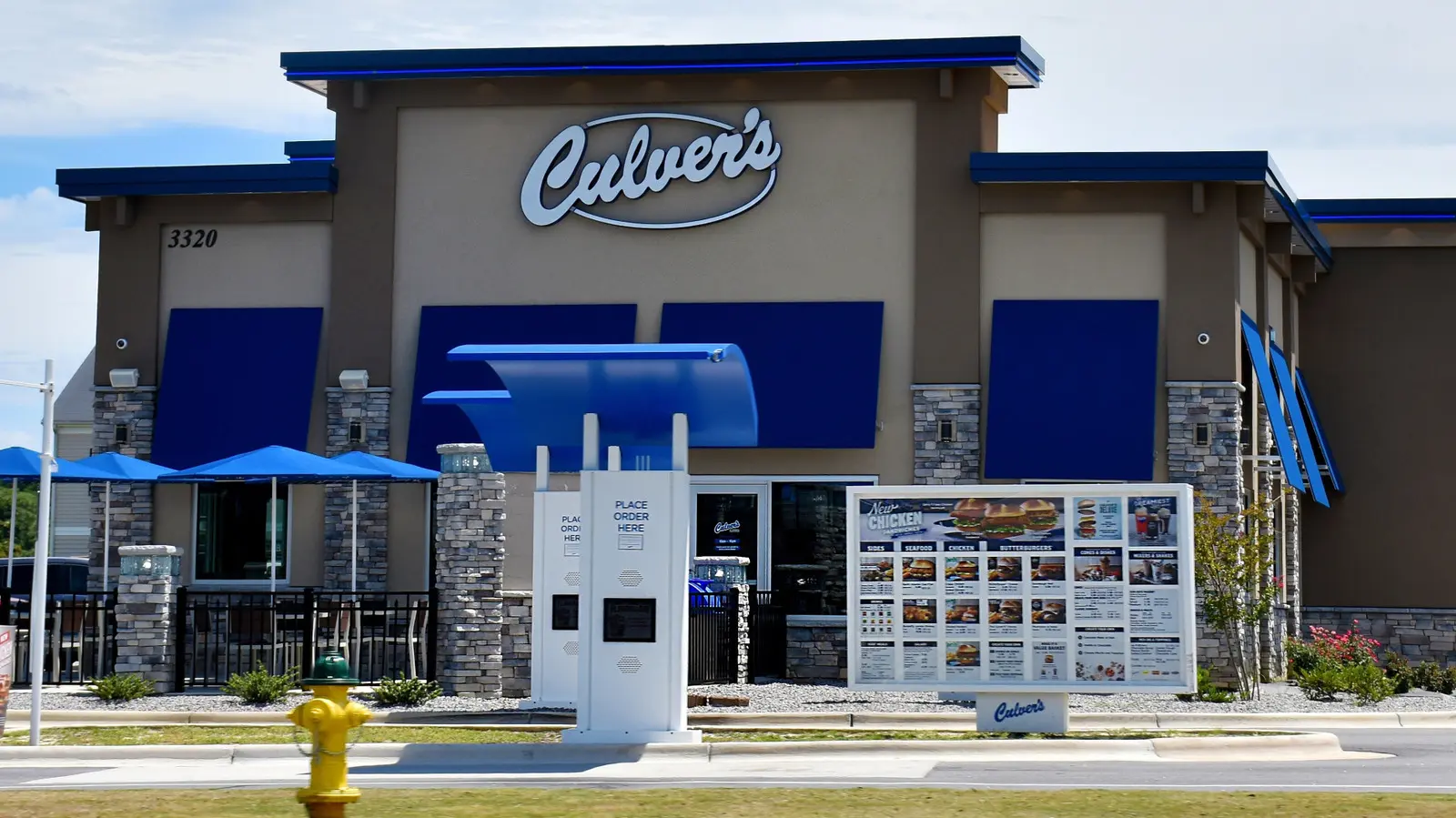
Culver’s Drive-Thru Speed Becomes Top Customer Complaint
Is Slower Service Worth the Taste?
Culver’s, a beloved Midwestern chain known for its ButterBurgers and cheese curds, faces a growing frustration among loyal fans. Regulars are increasingly vocal about their dissatisfaction with the drive-thru experience. While the food quality remains high, the speed of service has become a significant point of contention for many diners who value efficiency during their busy schedules.
Latest news
 Prosciutto Elevates the Classic Grilled Cheese Sandwich
 Costco Frozen Shrimp Rivals Steakhouse Appetizers
 Skip Store‑Shelf German Chocolate for This Rich Duncan Hines Cake Mix
 Severed Sun: A Blood-Red Bourbon Halloween Cocktail
The core issue revolves around the time it takes to receive an order. Many customers report waiting longer than expected at the window. This delay disrupts the quick-service model that defines fast-food dining. For commuters and families trying to beat lunch rushes, these extra minutes add up quickly. The wait times often exceed what patrons consider acceptable for a standard burger order.
The slow pace stems from several operational factors. Culver’s menu features complex items like fresh-cut fries and hand-assembled sandwiches. These require more preparation time than pre-prepared alternatives. Additionally, the popularity of frozen custard adds another layer of complexity. Staff must ensure the correct temperature and texture, which cannot be rushed without compromising quality. During peak hours, this meticulous process creates a bottleneck at the drive-thru lane.
Customers note that the inconsistency is particularly frustrating. Some visits are swift, while others involve long delays. This unpredictability makes it hard for patrons to plan their day. They cannot rely on a consistent turnaround time. The lack of real-time updates or estimated wait times exacerbates the problem. Drivers sit in their cars, watching the clock tick by with no clear indication of when their food will be ready.
Frequently Asked Questions
Despite the complaints, most customers still recommend the chain. The flavor profile of the ButterBurger remains a primary draw. Fans argue that the taste justifies the extra wait. However, a segment of the customer base is beginning to shift toward competitors with faster throughput. This trend suggests that convenience is becoming as important as culinary quality. If the chain does not address the speed issue, it risks losing a portion of its dedicated following.
The company faces a delicate balance. Accelerating service too much could degrade the freshness of ingredients. Maintaining the current standard preserves quality but frustrates impatient drivers. Finding the middle ground is the key challenge. Management may need to invest in staff training or technology solutions to streamline the process. Without such changes, the drive-thru experience will continue to generate negative feedback online.
Why do customers complain about Culver’s drive-thru? Patrons cite long wait times as the primary grievance. The complex preparation of fresh ingredients slows down service significantly. This delay contrasts with the speed expected from fast-food establishments.
Does the slow service affect food quality? Generally, the slower pace helps maintain ingredient freshness. However, it leads to inconsistent wait times for customers. This inconsistency is often cited as a major pain point by regulars.
Are there specific times when waits are worse? Peak lunch and dinner hours typically see the longest delays. High traffic volumes overwhelm the kitchen and drive-thru lanes. Patrons are advised to avoid these windows if speed is a priority.
Content written by Victoria Lane for fancy-meals.com editorial team, AI-assisted.