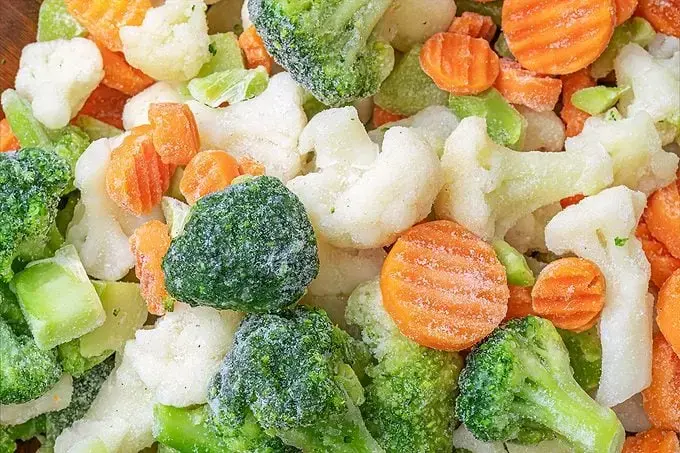
Crispy Frozen Vegetables Made Easy: The One Extra Step Chefs Swear By
Why the Extra Minute Matters
A simple extra step is turning frozen vegetables into a crisp, flavorful side dish. Food writer Hayley Schueneman reported the technique on July 31, 2026, after testing it in a home kitchen. The method works with any frozen mix, from broccoli florets to mixed peppers, and requires only a few minutes of prep.
Latest news
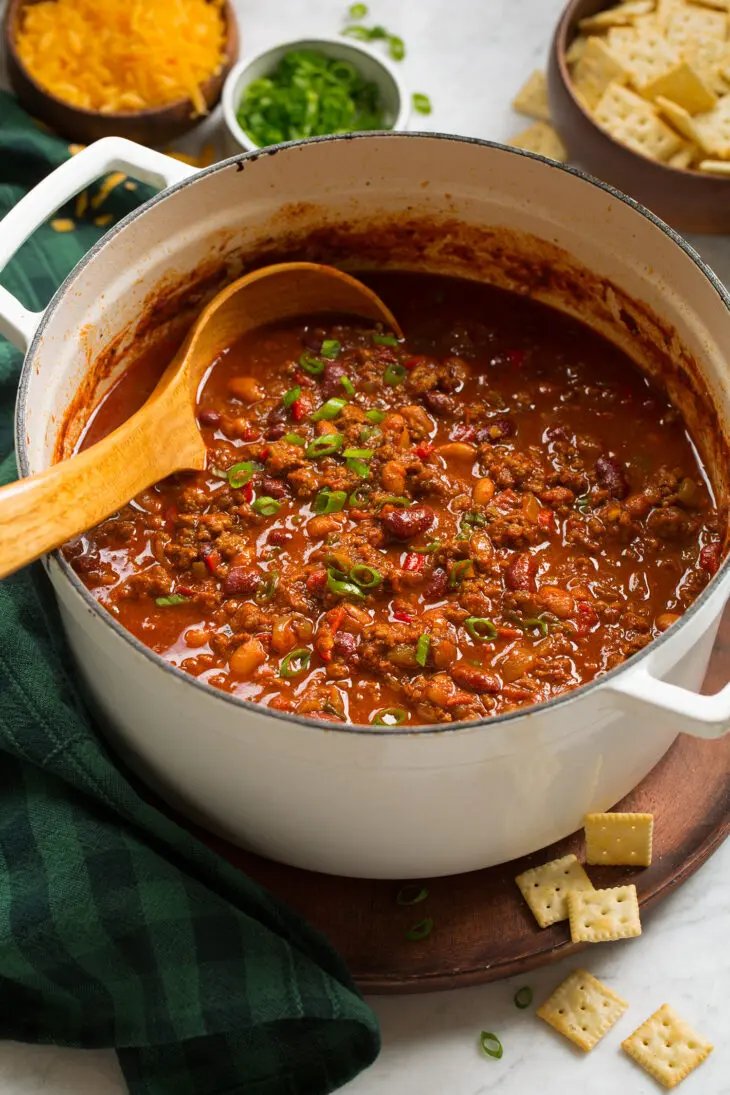 The Ultimate Homemade Chili Recipe for Cold Weather
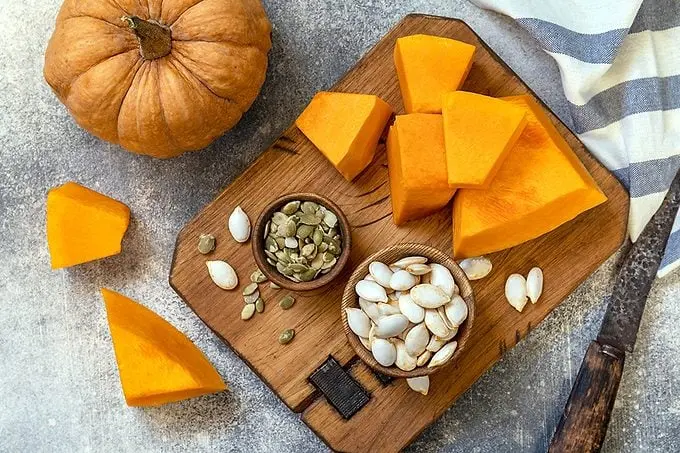 The Nutritional Power of Pumpkin Beyond Seasonal Desserts
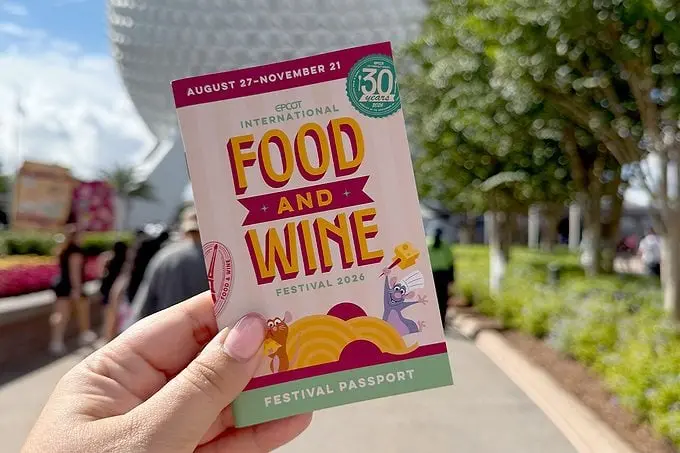 A Culinary Journey Through the 30th Epcot International Food and Wine Festival
 Burger King Unleashes Hello Kitty Kids' Meal with Ultra-Rare Golden Collectible
The secret lies in a quick thaw and a high‑heat blast. First, spread the frozen vegetables on a baking sheet and let them sit for five minutes. This allows excess ice to melt, preventing soggy results. Next, pat the veggies dry with paper towels, drizzle with oil, and season as desired. Bake at 450 °F for 20‑25 minutes, stirring halfway, until edges turn golden and crisp. The high temperature caramelizes natural sugars, delivering a roasted flavor that rivals fresh produce.
Most home cooks toss frozen vegetables straight into the oven, expecting a quick side. However, the lingering ice crystals release water, steaming the vegetables instead of roasting them. By allowing a brief thaw, the moisture evaporates before the heat hits, creating space for browning. Culinary experts note that this step improves texture without sacrificing convenience. „The difference is night and day,” said chef Marco Alvarez, who incorporated the technique into his restaurant’s menu. He observed that diners preferred the crunchier version, even when served alongside premium proteins.
Can This Trick Save Money and Reduce Waste?
The method also appeals to budget‑conscious families. Frozen vegetables cost up to 60 % less than fresh equivalents, yet many reject them for perceived blandness. By achieving a roasted finish, households can enjoy nutritious sides without the premium price tag. Additionally, the approach reduces food waste; vegetables that might have been discarded for texture issues now become a desirable dish. Nutritionists point out that frozen produce retains most vitamins, making it a healthy alternative when prepared correctly.
As more consumers seek quick yet tasty meals, the extra‑minute trick could reshape dinner habits. Retailers may highlight „roast‑ready” frozen packs, while recipe apps could feature step‑by‑step guides. The simple adjustment bridges the gap between convenience and culinary quality, promising a future where frozen vegetables are a staple on the dinner table.
Frequently Asked Questions
Do I need to preheat the oven before spreading the vegetables? Yes. A hot oven ensures immediate browning, which is essential for crispness. Preheating to 450 °F eliminates the steam‑heavy phase that can make veggies soggy.
Can I use this method with frozen peas or corn? It works best with larger pieces that can develop a crust, such as broccoli, cauliflower, or carrots. Small kernels like peas may not crisp as well but will still benefit from the drying step.
Is oil necessary, or can I skip it for a lower‑fat option? A thin coating of oil helps conduct heat and promotes caramelization. For a lighter version, use a spray oil or a teaspoon of olive oil, but omitting fat entirely may reduce the desired crisp texture.
Content written by Victoria Lane for fancy-meals.com editorial team, AI-assisted.