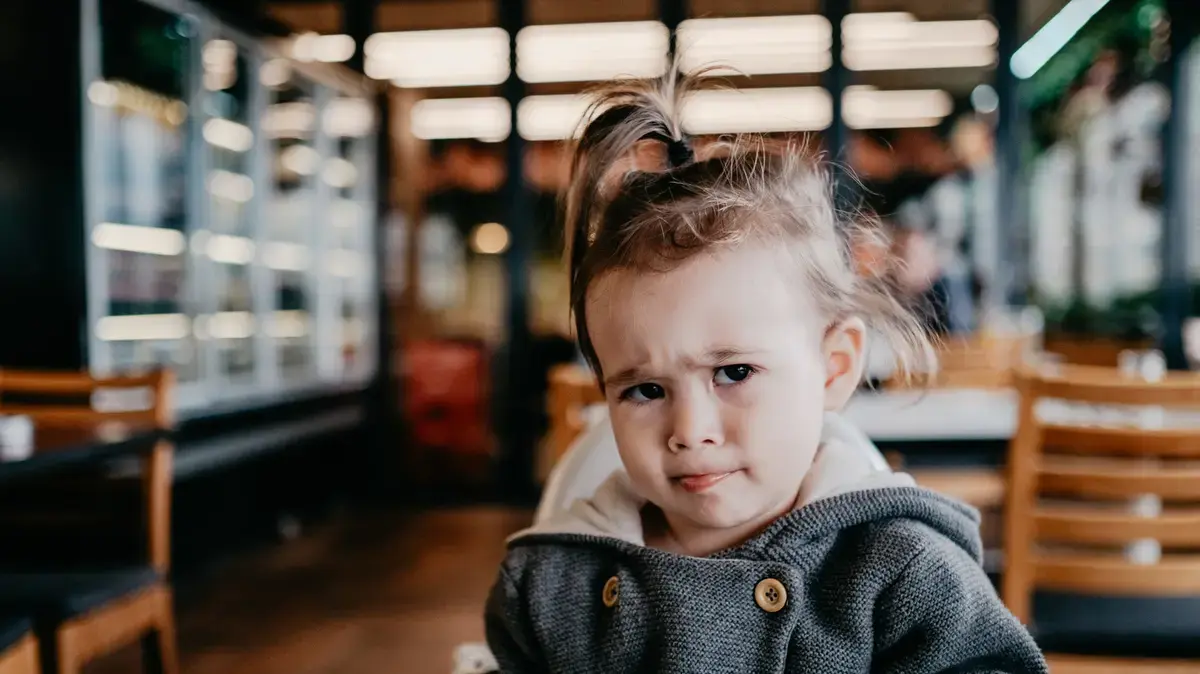
Can Restaurants Ban Children?
The Right to Refuse Service
Restaurants are often seen as a place where families can come together to enjoy a meal. However, some establishments have been known to ban children from entering their premises, raising questions about whether this is a legitimate practice.
Latest news
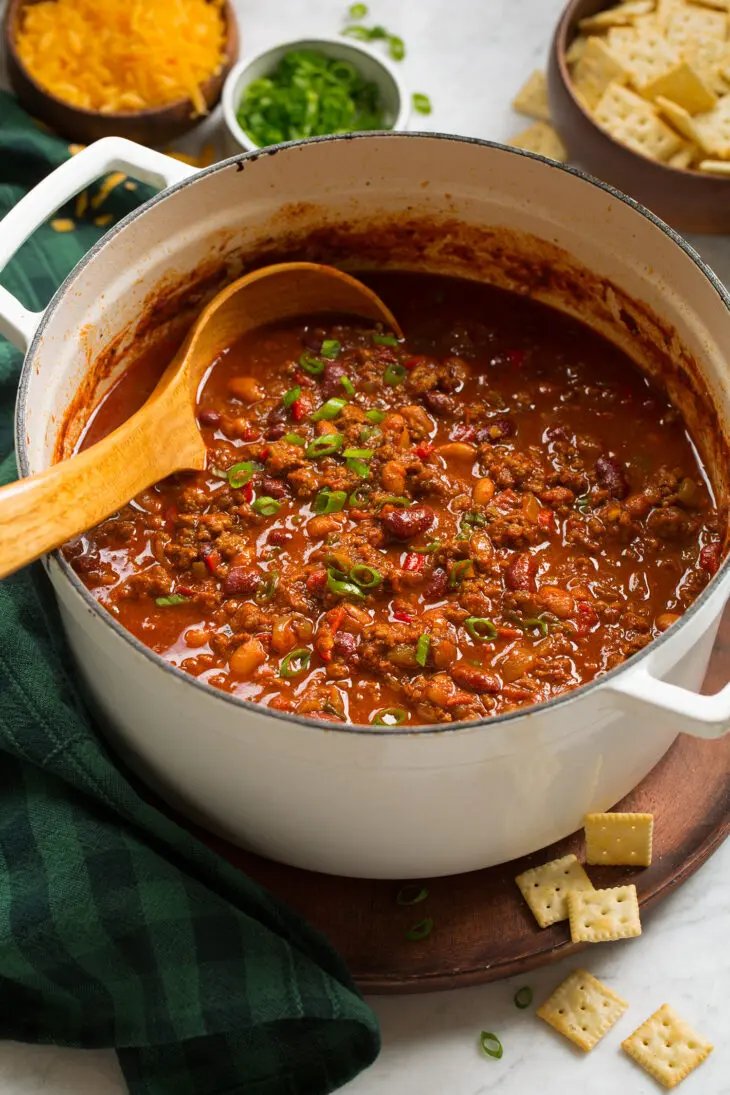 The Ultimate Homemade Chili Recipe for Cold Weather
 The Nutritional Power of Pumpkin Beyond Seasonal Desserts
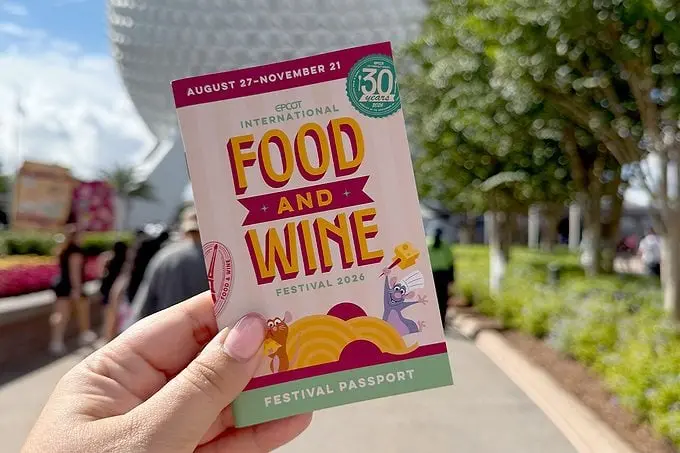 A Culinary Journey Through the 30th Epcot International Food and Wine Festival
 Burger King Unleashes Hello Kitty Kids' Meal with Ultra-Rare Golden Collectible
The debate surrounding children in restaurants is a contentious one, with some people believing that kids should be allowed to accompany their parents, while others argue that they can be a nuisance. Some restaurants have taken it upon themselves to establish a child-free policy, citing the need to maintain a peaceful atmosphere for adult diners. But can a restaurant actually ban children from entering their establishment?
According to the Americans with Disabilities Act, businesses are allowed to refuse service to anyone who is causing a disturbance or creating a safety hazard. This could be interpreted to include children who are being loud or unruly. However, it's worth noting that this is not a blanket rule, and businesses are still required to provide reasonable accommodations for customers with disabilities.
Can Restaurants Legally Ban Children?
In 2019, a restaurant in California was sued for banning children under the age of 10 from entering their premises. The lawsuit claimed that the policy was discriminatory and violated the California Fair Employment and Housing Act. The restaurant eventually settled the lawsuit, agreeing to allow children under the age of 18 to enter their establishment.
While some restaurants may be able to establish a child-free policy, it's not necessarily a straightforward process. In many states, businesses are required to provide reasonable accommodations for families with children. For example, the Family and Medical Leave Act requires employers to provide up to 12 weeks of unpaid leave for employees to care for a newborn or adopted child.
Additionally, many cities and states have laws in place that prohibit businesses from discriminating against families with children. For instance, the New York City Human Rights Law prohibits businesses from refusing service to individuals with children.
Consequences of Banning Children
So what are the consequences of banning children from restaurants? For one, it could lead to a loss of business and revenue. Many families with young children are loyal customers and may choose to take their business elsewhere if they are not welcome. Furthermore, a child-free policy could also damage a restaurant's reputation and make it less attractive to potential customers.
In conclusion, while some restaurants may be able to establish a child-free policy, it's not a straightforward process and can have significant consequences. Businesses must carefully consider the laws and regulations in their area before making any decisions.
Frequently Asked Questions
Content written by Lucas Carter for fancy-meals.com editorial team, AI-assisted.