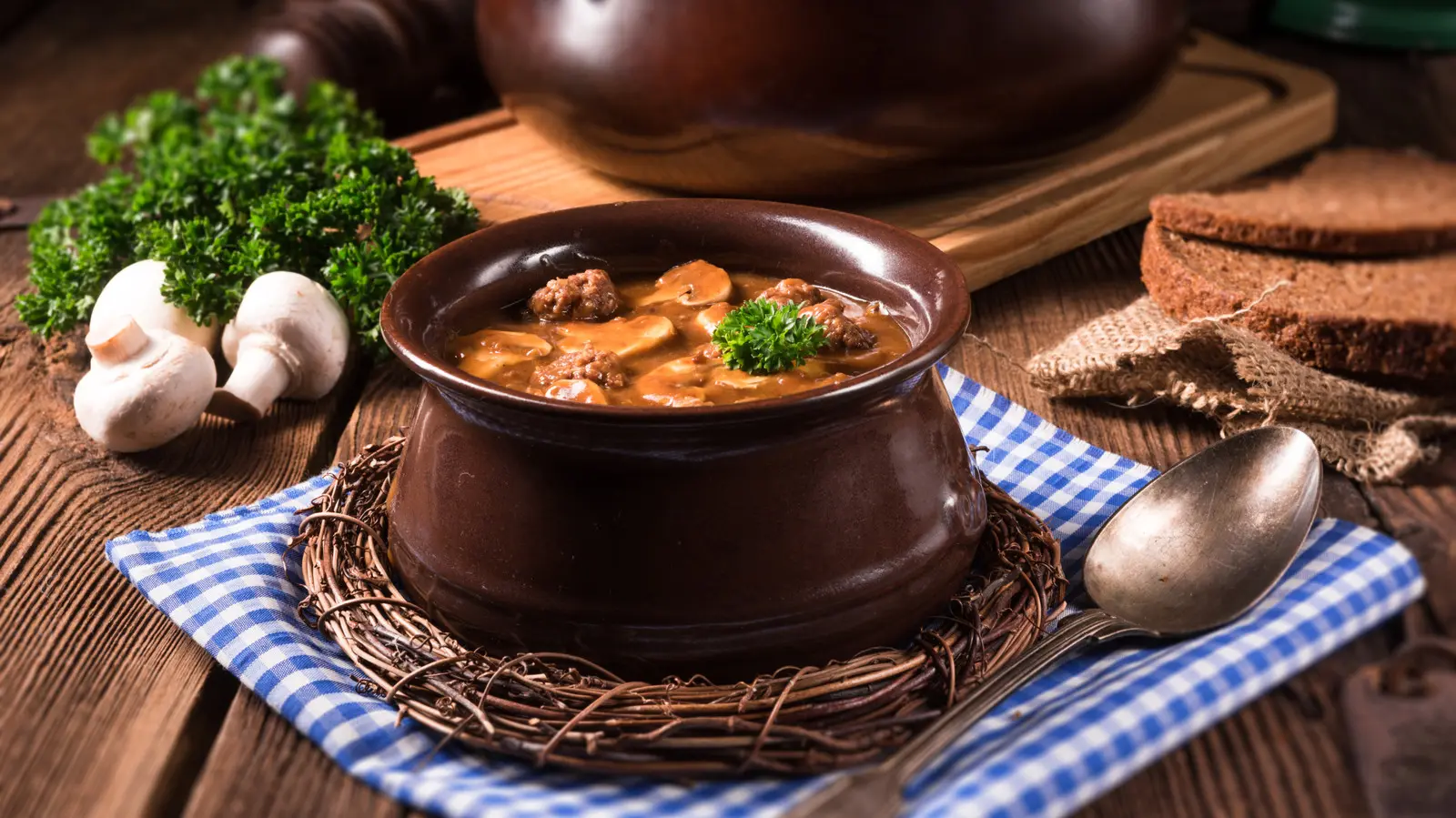
Campbell’s Soup Company released a rare canned variety in the 1920s that featured calves’ head meat. This unusual product stands out among the brand’s extensive history of standard offerings. The soup represents a distinct era in American culinary trends. It highlights how food manufacturing practices have shifted significantly over time
A Taste of the Roaring Twenties
The company, founded in Camden, New Jersey, in 1869, has long defined American comfort food. Its most famous products include Chicken Noodle, Cream of Mushroom, and Tomato soups. However, the 1920s menu included far more experimental items. Calves’ head soup was one such item. It reflected the broader cultural acceptance of offal during that decade. Consumers were less particular about specific cuts than they are today.
Latest news
 Costco France Food Court Pizza Sparks American Nostalgia
 Top Ten Gluten-Free Granola Picks For Celiac Sufferers And Health-Conscious Eaters
 What Domino's Does With Unsold Pizza
 Comparing Protein Levels in Classic Breakfast Staples
During the early twentieth century, utilizing the entire animal was common practice. Waste was minimized in both home cooking and industrial production. Calves’ heads provided gelatinous texture and rich flavor. These qualities made them suitable for hearty, thick soups. Campbell’s capitalized on this trend by canning the dish for wider distribution. The product appealed to budget-conscious families seeking protein-rich meals. It was not considered exotic or strange at the time. Instead, it fit comfortably alongside other traditional recipes.
The manufacturing process involved boiling the heads to extract collagen. This created a natural thickener for the broth. The meat was then chopped and added back into the mixture. The final product was sealed in cans for shelf stability. This method allowed the soup to reach households across the country. It demonstrated the company’s ability to innovate beyond basic vegetable broths.
Why Did This Flavor Disappear?
As decades passed, consumer preferences evolved dramatically. Mid-century diners began favoring lighter, cleaner-tasting options. The idea of eating head meat became less appealing to the average American palate. Marketing strategies shifted toward familiar flavors like tomato and chicken noodle. These staples dominated supermarket shelves for generations. Calves’ head soup gradually lost market share. It eventually vanished from the regular lineup. Today, it exists primarily as a curiosity for collectors.
The disappearance of this flavor marks a turning point in food history. It signals the move toward standardized, mass-appeal products. Modern consumers often view such ingredients as niche or regional. Yet, the 1920s version proved that bold flavors had their place. The legacy of this soup reminds us of our culinary past. It shows how quickly tastes can change within a single generation.
Frequently Asked Questions
When did Campbell’s produce calves’ head soup? The company released this specific canned variety during the 1920s. It was part of a broader range of experimental flavors offered before the mid-century standardization of the brand.
Why was calves’ head meat used in the soup? The heads contained high levels of collagen, which naturally thickened the broth. This ingredient was widely available and affordable, making it a practical choice for hearty, protein-dense meals.
Is this soup still available today? It is no longer part of the regular production line. Most versions found now are vintage cans collected by enthusiasts or specialty retailers focusing on historical food items.
Content written by Lucas Carter for fancy-meals.com editorial team, AI-assisted.