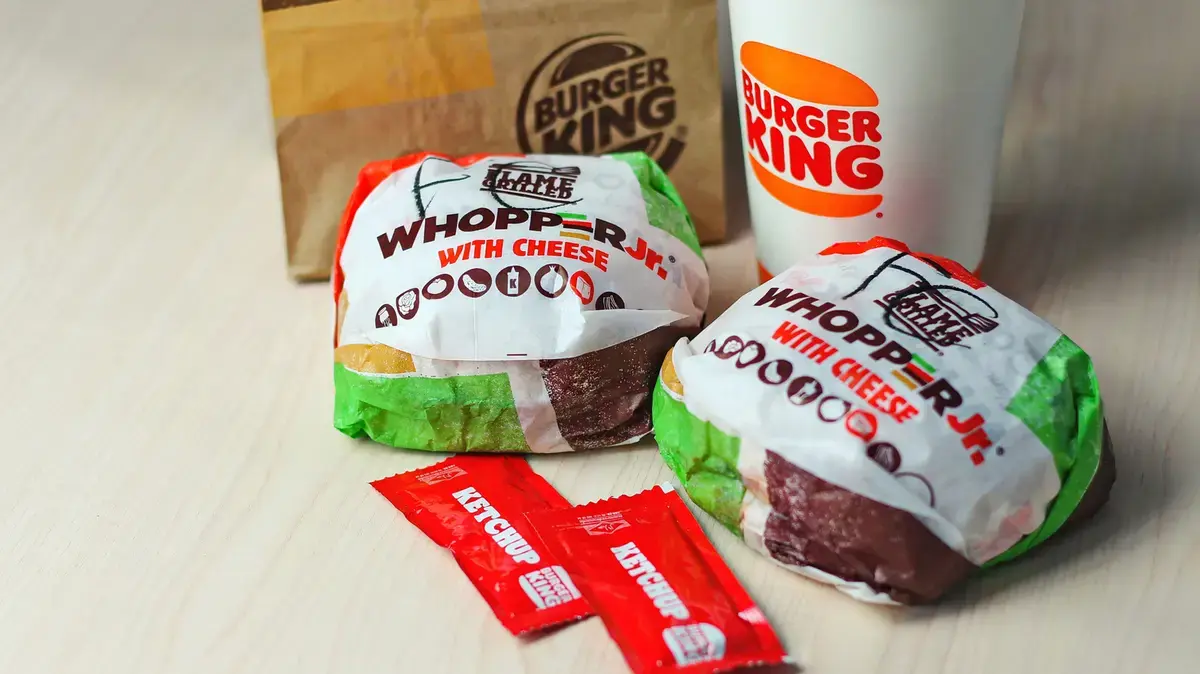
Burger King’s Whopper Faces a Juiciness Crisis, Threatening Its Iconic Status
The Anatomy of a Decline: What Went Wrong
The Whopper, Burger King’s flagship sandwich, is drawing criticism across the United States this summer. Customers report that the patty is often tough, the bun dry, and the overall experience far from the promised „flame‑grilled” juiciness. The backlash has intensified after a wave of social‑media posts highlighted the discrepancy between the Whopper’s reputation and its current reality.
Latest news
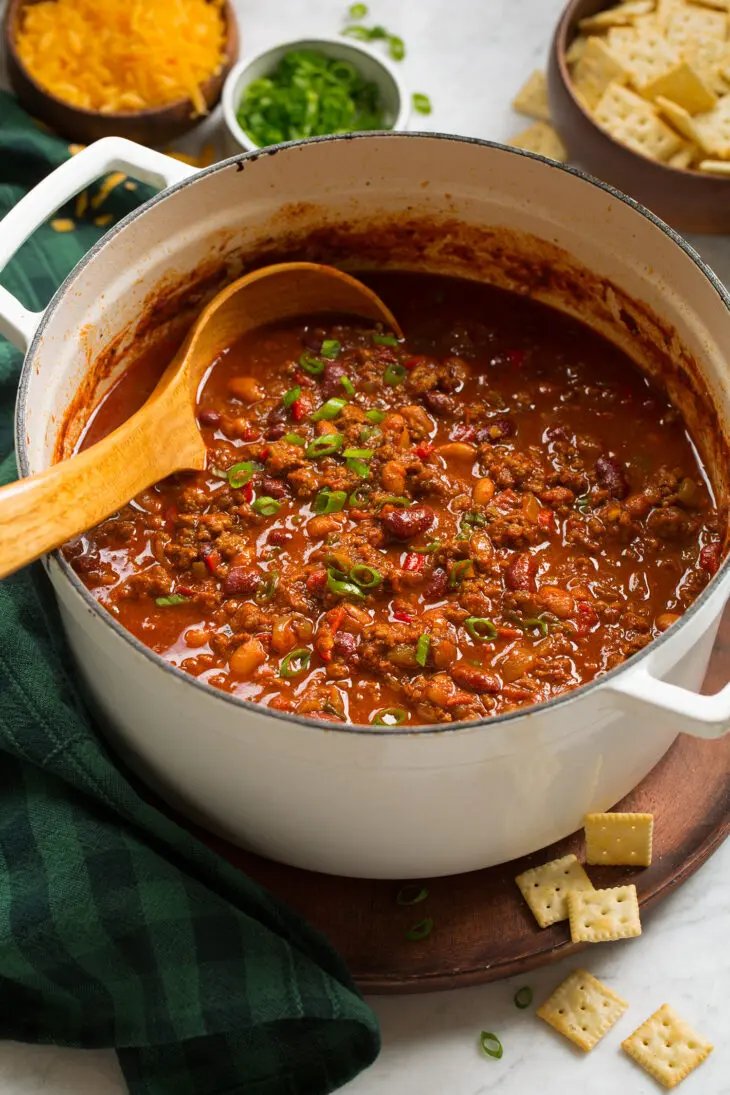 The Ultimate Homemade Chili Recipe for Cold Weather
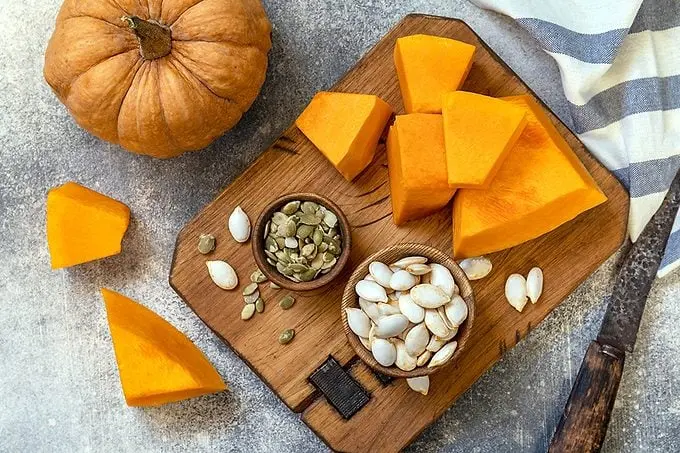 The Nutritional Power of Pumpkin Beyond Seasonal Desserts
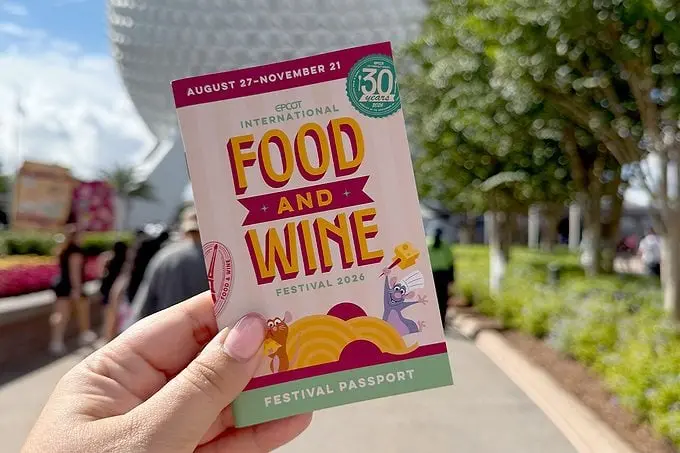 A Culinary Journey Through the 30th Epcot International Food and Wine Festival
 Burger King Unleashes Hello Kitty Kids' Meal with Ultra-Rare Golden Collectible
Industry analysts suggest the problem stems from a combination of supply‑chain pressures and recent recipe adjustments intended to cut costs. The chain’s shift to frozen beef in some locations, coupled with a faster cooking line, may be compromising the texture that long‑time fans expect. Moreover, the iconic „flame‑grilled” claim, once a differentiator, now appears more marketing than fact, prompting diners to question the authenticity of the brand’s core promise.
Burger King’s internal data shows a modest dip in Whopper sales over the past quarter, coinciding with a surge in negative reviews on major platforms. „The patty feels overcooked, and the bun lacks the softness that used to make the sandwich enjoyable,” said a frequent patron who posted a video of his experience. Food‑service consultants point to a tighter margin environment that forced the chain to adopt pre‑formed patties, which are less forgiving on the grill. This change reduces the time the meat spends over the flame, a key factor in developing the signature char and moisture. Additionally, the chain’s recent emphasis on plant‑based alternatives may have diverted attention from perfecting the classic beef version.
Can the Whopper Reclaim Its Crown?
Consumers are asking whether Burger King can restore the Whopper’s former glory or if the sandwich is destined to become a relic of fast‑food nostalgia. The company has announced a pilot program in select markets to re‑introduce fresh, never‑frozen beef and to extend grilling time by a few seconds. Early feedback from these test sites appears promising, with diners noting a return to the „juicy bite” they once loved. However, scaling the process nationwide poses logistical challenges, especially amid ongoing labor shortages. If the chain succeeds, the Whopper could once again serve as a benchmark for flame‑grilled burgers. Failure to adapt may push loyal customers toward competitors offering more consistent quality.
The outcome of this initiative will shape Burger King’s brand perception for years to come. A successful rollout could reinforce the Whopper’s iconic status and revive sales momentum. Conversely, continued disappointment may erode trust and accelerate the shift toward rival chains that prioritize product consistency.
Frequently Asked Questions
Why are Whoppers perceived as dry now? Recent cost‑cutting measures led to the use of frozen patties and shortened grilling times, which reduce moisture retention and affect texture.
Is Burger King testing a new recipe? Yes, the chain is trialing fresh, never‑frozen beef and slightly longer grill periods in a limited number of locations to improve juiciness.
Will the changes be rolled out nationwide? The company says a broader rollout depends on pilot results and supply‑chain stability, but it aims to expand the new process if feedback remains positive.
Content written by Victoria Lane for fancy-meals.com editorial team, AI-assisted.