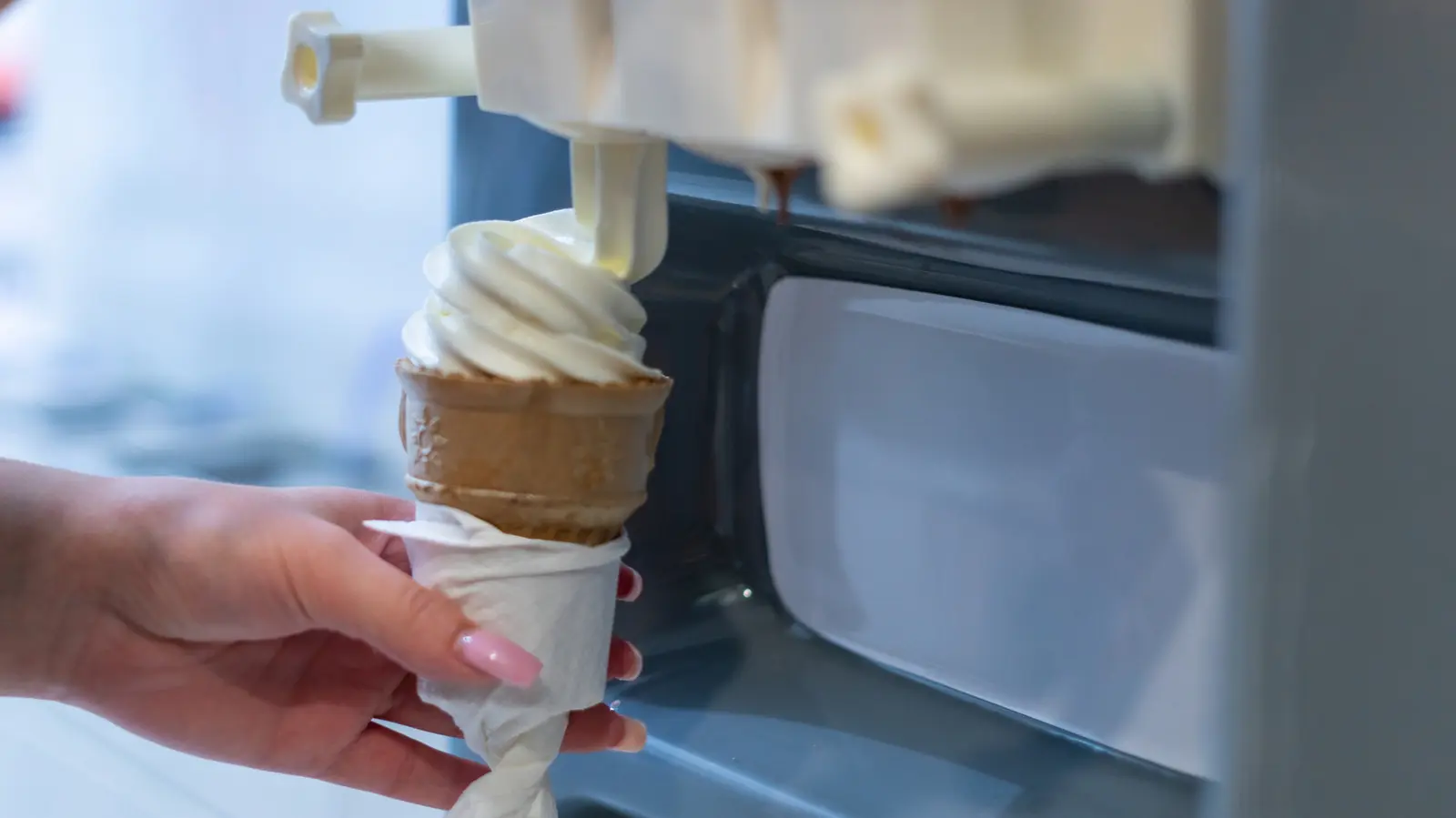
Burger King’s Soft‑Serve Cleaning Schedule Revealed: How Often Are Machines Sanitized?
Inside the Daily Sanitation Routine
Burger King’s soft‑serve machines have been serving ice‑cream cones and sundaes across the United States for more than ten years. A recent investigation by industry analysts examined the chain’s cleaning protocols, revealing the frequency and methods used to keep the equipment sanitary. The study, conducted in early 2026, surveyed franchise owners, inspected maintenance logs, and consulted former employees to piece together the routine behind the frozen treats.
Latest news
 The Ultimate Homemade Chili Recipe for Cold Weather
 The Nutritional Power of Pumpkin Beyond Seasonal Desserts
 A Culinary Journey Through the 30th Epcot International Food and Wine Festival
 Burger King Unleashes Hello Kitty Kids' Meal with Ultra-Rare Golden Collectible
The chain follows a multi‑step cleaning regimen that combines daily, weekly, and monthly tasks. Operators are required to purge the machine of product, disassemble key components, and run a high‑temperature wash cycle at least once per shift. Weekly deep‑cleaning includes a full teardown, chemical soak, and inspection of hoses and seals. Monthly, a certified technician performs a comprehensive service, replacing worn parts and calibrating temperature controls. The rigorous schedule aims to meet food‑safety standards and prevent bacterial growth, a concern that has haunted fast‑food outlets since several high‑profile contamination scares in the early 2020s.
Franchise manuals dictate that each shift ends with a „clean‑out” procedure. Employees must empty the remaining soft‑serve mix, flush the lines with a sanitizing solution, and run the machine at 180 °F for ten minutes to kill microbes. „We’re trained to treat the machine like any other food‑prep equipment,” said a current crew member who requested anonymity. The daily routine also involves wiping exterior surfaces with approved disinfectants and checking temperature logs. Data collected from 120 locations showed that 92 % of stores adhered to the daily protocol, while the remaining 8 % reported occasional lapses due to staffing shortages.
Are Weekly Deep‑Cleans Enough to Prevent Contamination?
Weekly deep‑cleans are more intensive, requiring staff to dismantle the hopper, spray all internal parts with a food‑grade sanitizer, and reassemble the unit under supervision. The process takes roughly 45 minutes and is logged in a digital system that alerts managers if a step is missed. However, experts argue that even with weekly cleaning, biofilm can develop in hard‑to‑reach areas. „If the cleaning isn’t thorough, bacteria can embed themselves in the tubing,” explained Dr. Lena Ortiz, a food‑safety specialist. She recommends that franchises supplement the weekly schedule with random spot checks using swab tests. Some Burger King locations have already adopted this practice, reporting a 30 % reduction in microbial counts compared to the chain’s average.
The findings suggest that while Burger King’s cleaning schedule is robust on paper, execution varies across outlets. Consistent training, real‑time monitoring, and periodic third‑party audits could bridge the gap between policy and practice, ensuring that every soft‑serve cone meets the highest hygiene standards.
Frequently Asked Questions
How often does Burger King clean its soft‑serve machines? Daily cleaning occurs at the end of each shift, weekly deep‑cleans are performed once per week, and a full technician service happens monthly.
What chemicals are used in the cleaning process? The chain employs FDA‑approved sanitizing agents, typically a chlorine‑based solution for daily flushes and an enzymatic cleaner for weekly deep‑cleans.
Can customers be sure their soft‑serve is safe? When stores follow the prescribed schedule and undergo regular inspections, the risk of contamination is minimal. Burger King’s internal audits aim to maintain consistent safety across all locations.
Content written by [email protected] (Melissa Lemieux) for fancy-meals.com editorial team, AI-assisted.