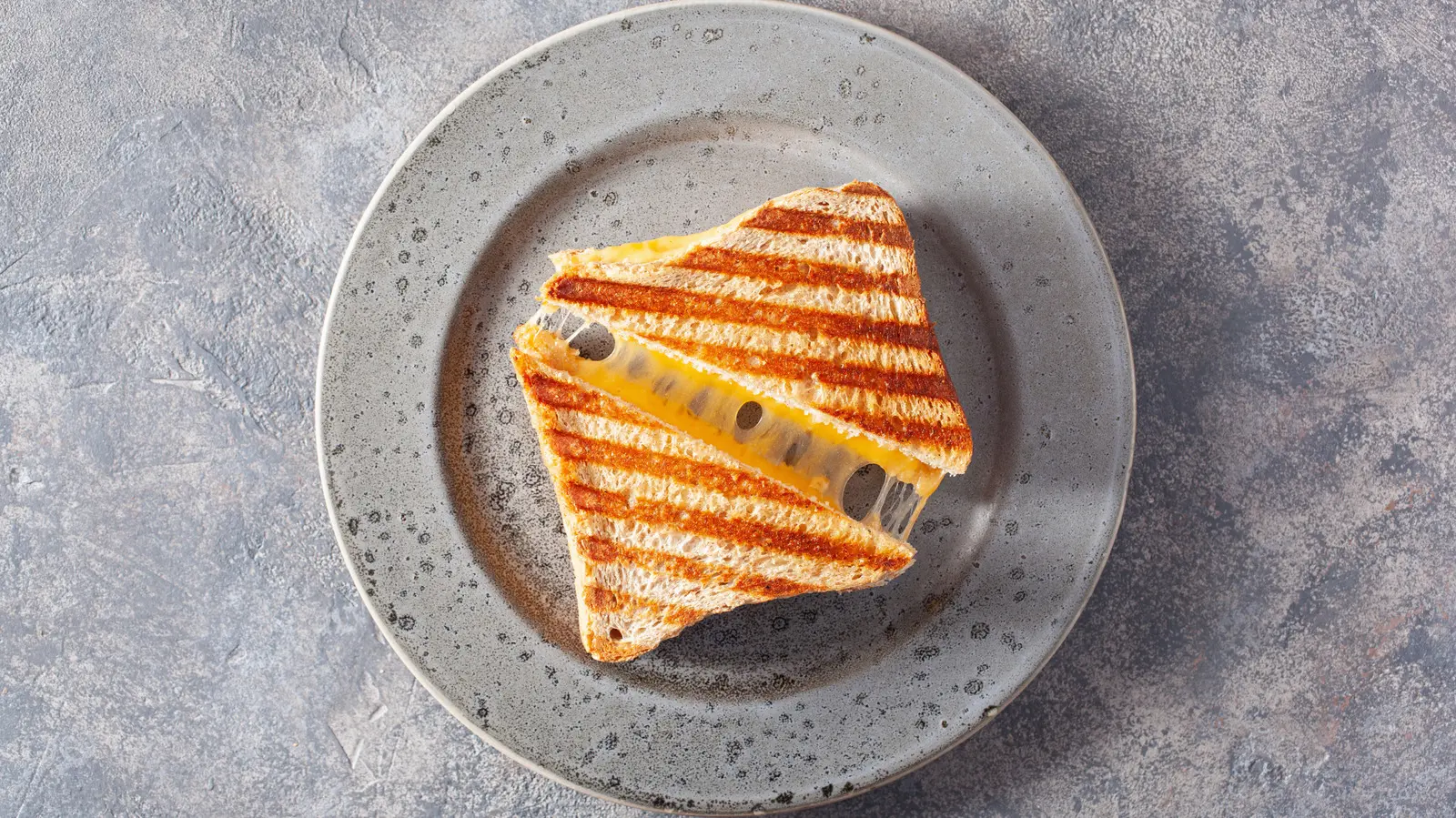
British Toastie Technique Transforms Classic Grilled Cheese Into Something Extraordinary
The Toastie Technique That Changes Everything
A simple grilled cheese sandwich is about to get a serious upgrade. Jennifer M. McNeill discovered that swapping standard American techniques for British toastiemethods delivers dramatically more flavor. The right cheese, proper bread, and specific cooking approach make all the difference in this humble comfort food.
Latest news
 The Ultimate Homemade Chili Recipe for Cold Weather
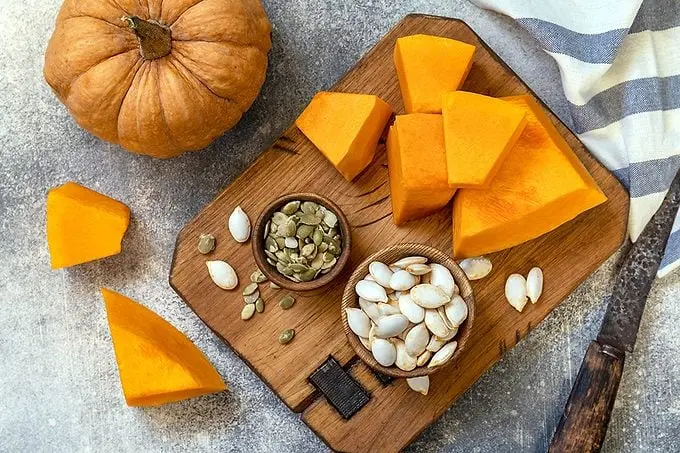 The Nutritional Power of Pumpkin Beyond Seasonal Desserts
 A Culinary Journey Through the 30th Epcot International Food and Wine Festival
 Burger King Unleashes Hello Kitty Kids' Meal with Ultra-Rare Golden Collectible
The British version uses higher-quality ingredients and a distinct assembly method. Instead of the typical American approach, Britons often use a single slice of bread buttered on both sides, filled with mature cheddar or similar sharp cheese. The key lies in the cooking technique—gentler heat allows the cheese to melt properly while creating an perfectly crisp exterior without burning.
British toasties rely on specific construction that differs from American grilled cheese. The bread gets buttered on both sides before adding cheese, creating a protective barrier that prevents sogginess. Using a sturdy country-style bread holds up better during cooking. The cheese choice matters enormously—mature cheddar, gouda, or a blend creates complex flavors that basic processed cheese cannot match.
Cooking temperature proves crucial. Too high heat burns the exterior before the interior melts. The ideal approach uses medium-low heat, allowing time for the cheese to become creamy while the bread turns golden. Some British cooks press the sandwich gently with a spatula or specialized press to ensure even contact and melting.
Why This Simple Sandwich Delivers 10x the Flavor
The transformation comes down to ingredient quality and technique precision. British cooks typically avoid processed cheese products entirely, opting instead for natural cheeses that develop deeper flavor profiles when melted. The buttered bread technique creates textural contrast—the crisp exterior balances beautifully with the creamy interior.
Cheese melting behavior differs significantly between methods. When properly heated, natural cheeses release fat and moisture that creates a rich, satisfying mouthfeel. Processed cheese products contain emulsifiers that prevent this natural creaminess, explaining why the British approach tastes so much better.
The humble toastie represents centuries of British culinary evolution applied to a simple concept. What started as a way to use stale bread and leftover cheese became an art form of its own. Modern British cooks still follow these same principles, proving that traditional techniques often yield the best results.
Frequently Asked Questions
This approach transforms breakfast, lunch, or dinner with minimal effort. The technique works with any quality cheese and bread combination, making it accessible to anyone willing to invest a few extra minutes in preparation. The result consistently exceeds expectations, turning a childhood favorite into something genuinely exciting.
What type of cheese works best for a British toastie? Mature cheddar remains the classic choice, though gouda, brie, or a cheese blend of your preference creates excellent results. Avoid processed cheese products for maximum flavor impact.
How long should you cook a British-style toastie? Medium-low heat for 3-4 minutes per side typically works well, depending on thickness. The key is patience—rushing the process prevents proper cheese melting.
Can you make this technique work with vegetarian bread? Absolutely. Many British versions use vegetarian bread products successfully. Just ensure your chosen bread meets your dietary requirements and still maintains that sturdy country-style texture.
Content written by Lucas Carter for fancy-meals.com editorial team, AI-assisted.