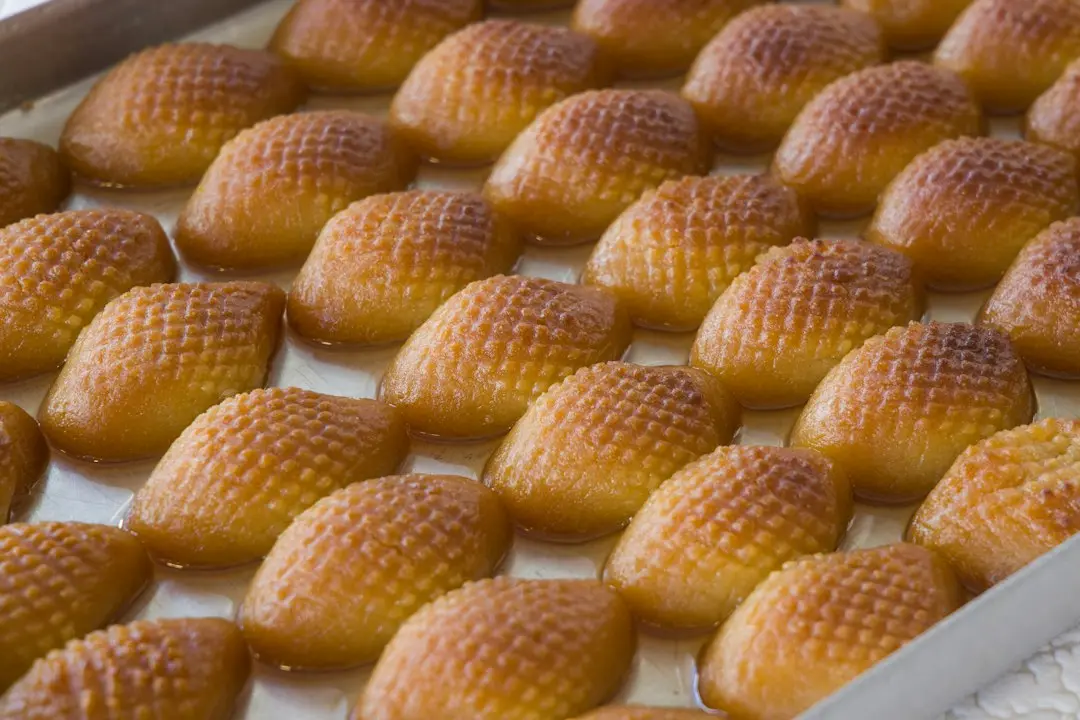
Baked Lebanese Kibbeh with Pine Nuts
How the Bulgur Shell Holds Together
Kibbeh stands as Lebanon's national dish, deeply embedded in family traditions and festive occasions across the Middle East. It appears regularly at gatherings, holidays, and Sunday meals, symbolizing shared heritage and home-cooked comfort. The baked version offers a practical, accessible method for preparing this classic at home, resembling a savory pie layered in a pan.
Latest news
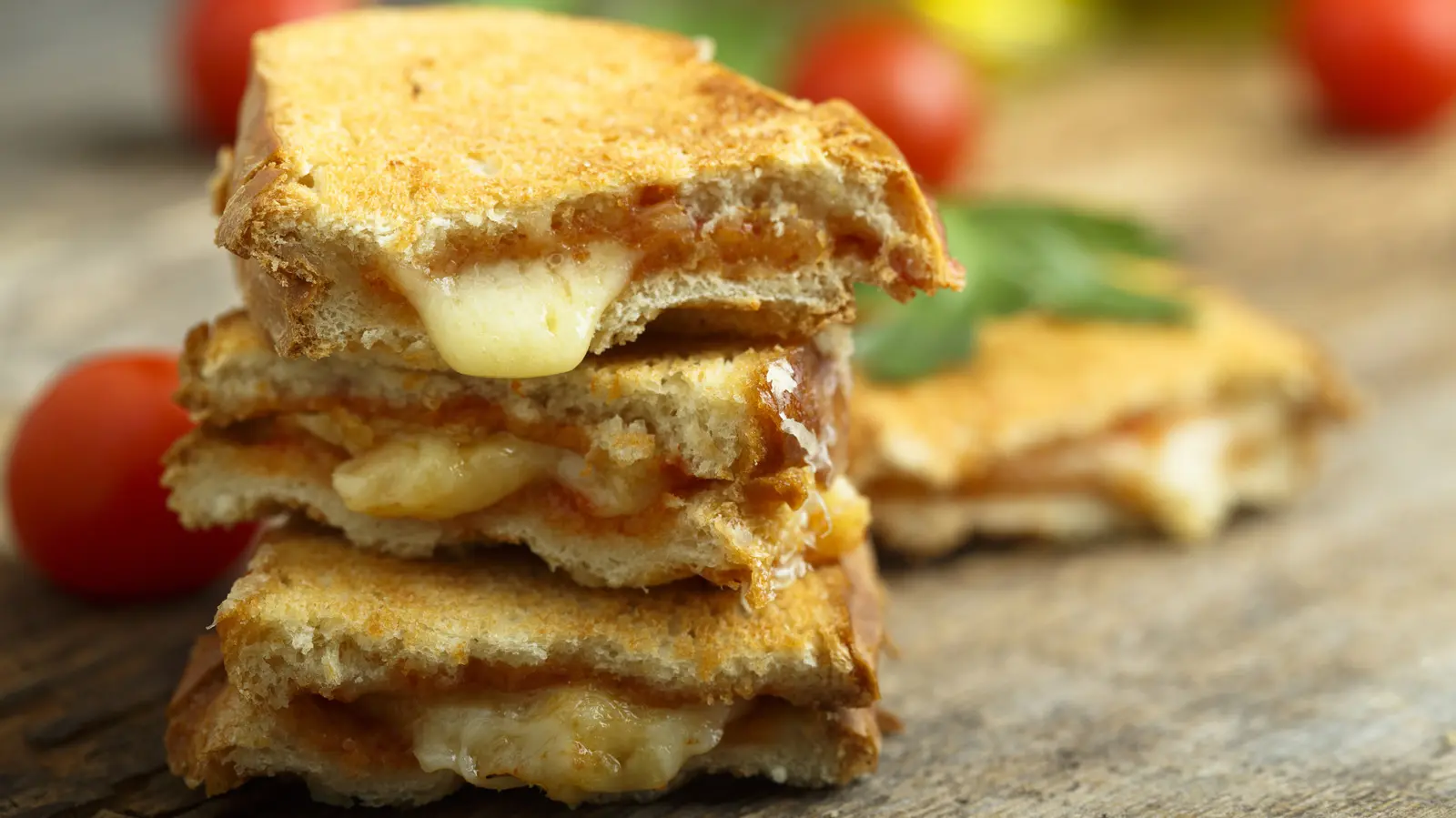 Prosciutto Elevates the Classic Grilled Cheese Sandwich
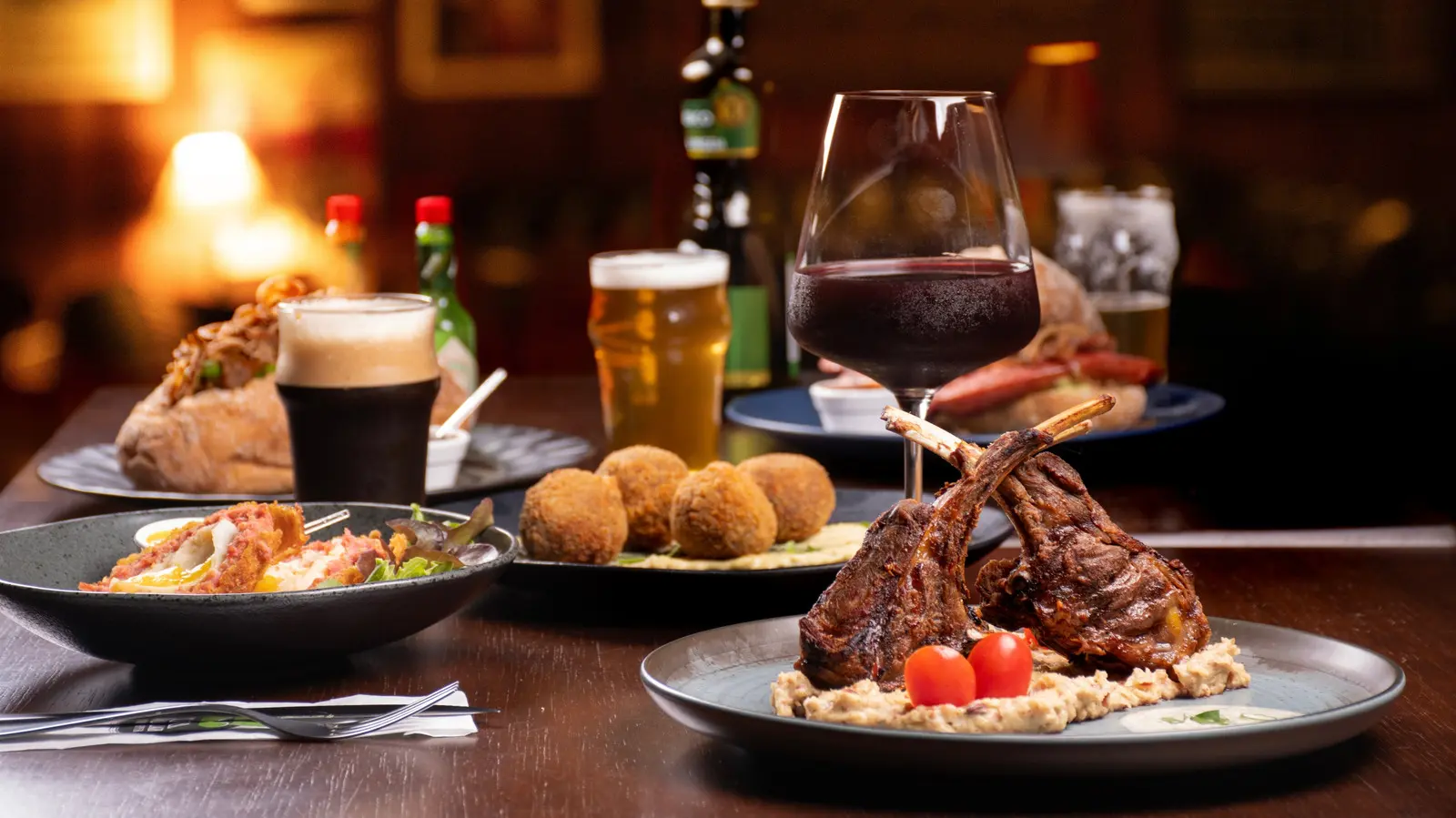 Costco Frozen Shrimp Rivals Steakhouse Appetizers
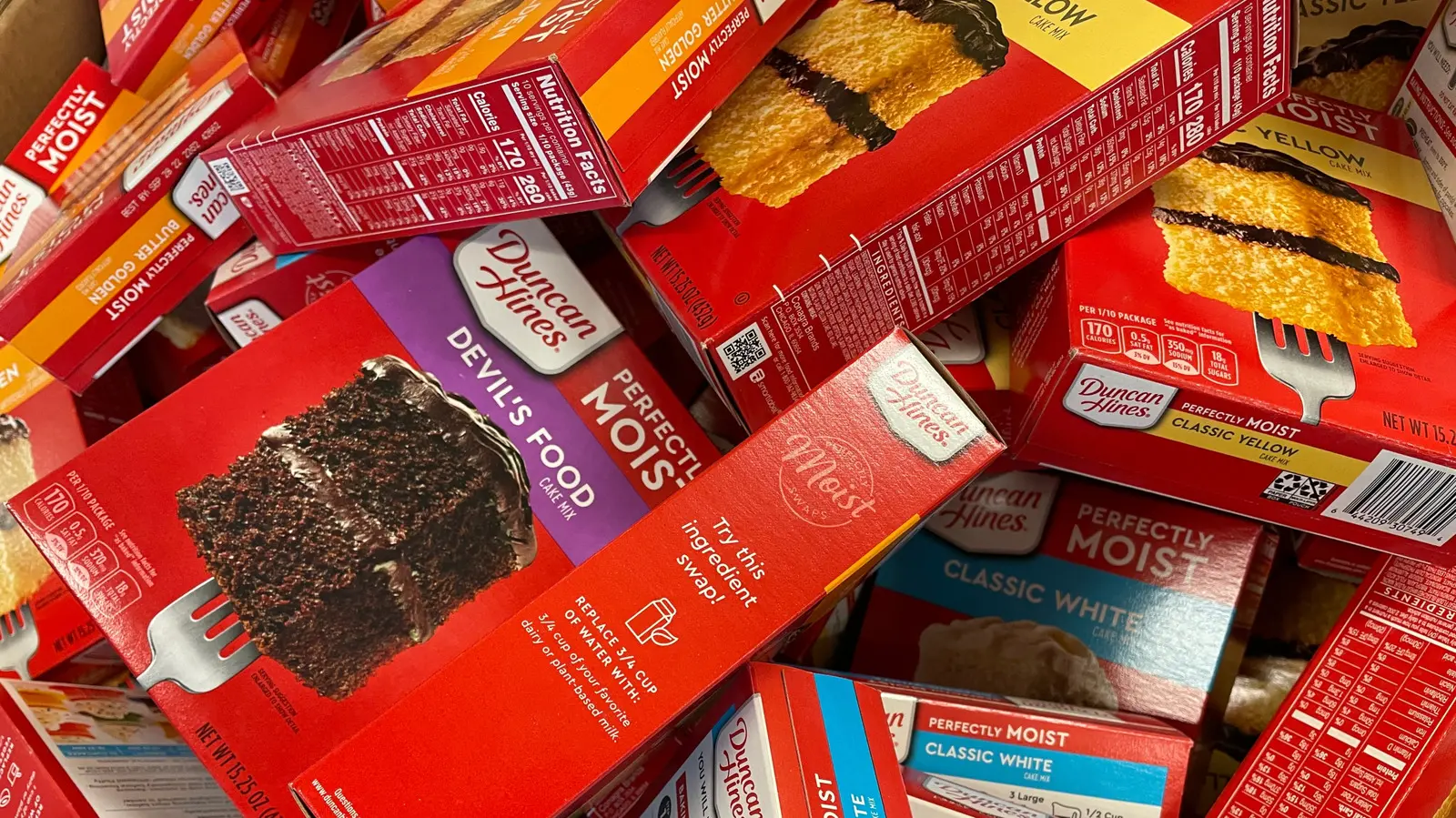 Skip Store‑Shelf German Chocolate for This Rich Duncan Hines Cake Mix
 Severed Sun: A Blood-Red Bourbon Halloween Cocktail
The dish features a dual-component structure: an outer shell made from soaked bulgur wheat blended with ground lamb and spices, encasing a savory filling of sautéed minced meat, onions, and pine nuts. This preparation method simplifies the traditional shaping process while preserving authentic flavor and texture. The bulgur provides a nutty base that binds the meat, creating a firm yet tender crust when baked.
Why Pine Nuts Elevate the Filling
The outer layer relies on finely ground bulgur that has been soaked and drained to achieve a pliable consistency. When mixed with lamb and seasoned with allspice, cinnamon, and pepper, it forms a cohesive mass that adheres to the pan and seals in the filling. This technique avoids the need for intricate shaping by hand, making it ideal for home cooks unfamiliar with raw kibbeh preparation. The result is a uniform slice that reveals contrasting layers when served.
Pine nuts add a rich, buttery crunch to the savory meat filling, which is cooked slowly with onions until golden. Their inclusion reflects regional preferences for texture contrast in Lebanese cuisine. Toasted lightly before mixing, they release aromatic oils that complement the warm spices. This detail distinguishes the baked version from simpler interpretations, adding a layer of indulgence without overwhelming the dish’s balance.
What Makes This Version Ideal for Beginners
Unlike the raw or fried forms that demand skill in shaping and handling, the baked kibbeh forgives minor inconsistencies in thickness or layering. It cooks evenly in the oven, reducing the risk of undercooked centers or burnt edges. Leftovers reheat well, maintaining moisture and flavor, which supports its role as a make-ahead dish for busy households. Families often prepare it ahead of time for weekend meals or religious observances.
Can I substitute the lamb with another meat? Yes, beef or a mix of beef and lamb works well, though lamb provides the most authentic flavor. Some recipes use poultry for a lighter version, but the traditional taste relies on lamb’s richness.
Frequently Asked Questions
Is it necessary to toast the pine nuts before adding them? Toasting enhances their flavor and prevents a raw taste, but untoasted nuts can be used if preferred. Watch closely to avoid burning, as they brown quickly.
How long should the bulgur be soaked before use? Soak the bulgur in warm water for about 20 minutes, then drain thoroughly and squeeze out excess moisture. This step ensures the shell binds properly without becoming soggy during baking.
Content written by Sawsan Abu Farha for fancy-meals.com editorial team, AI-assisted.