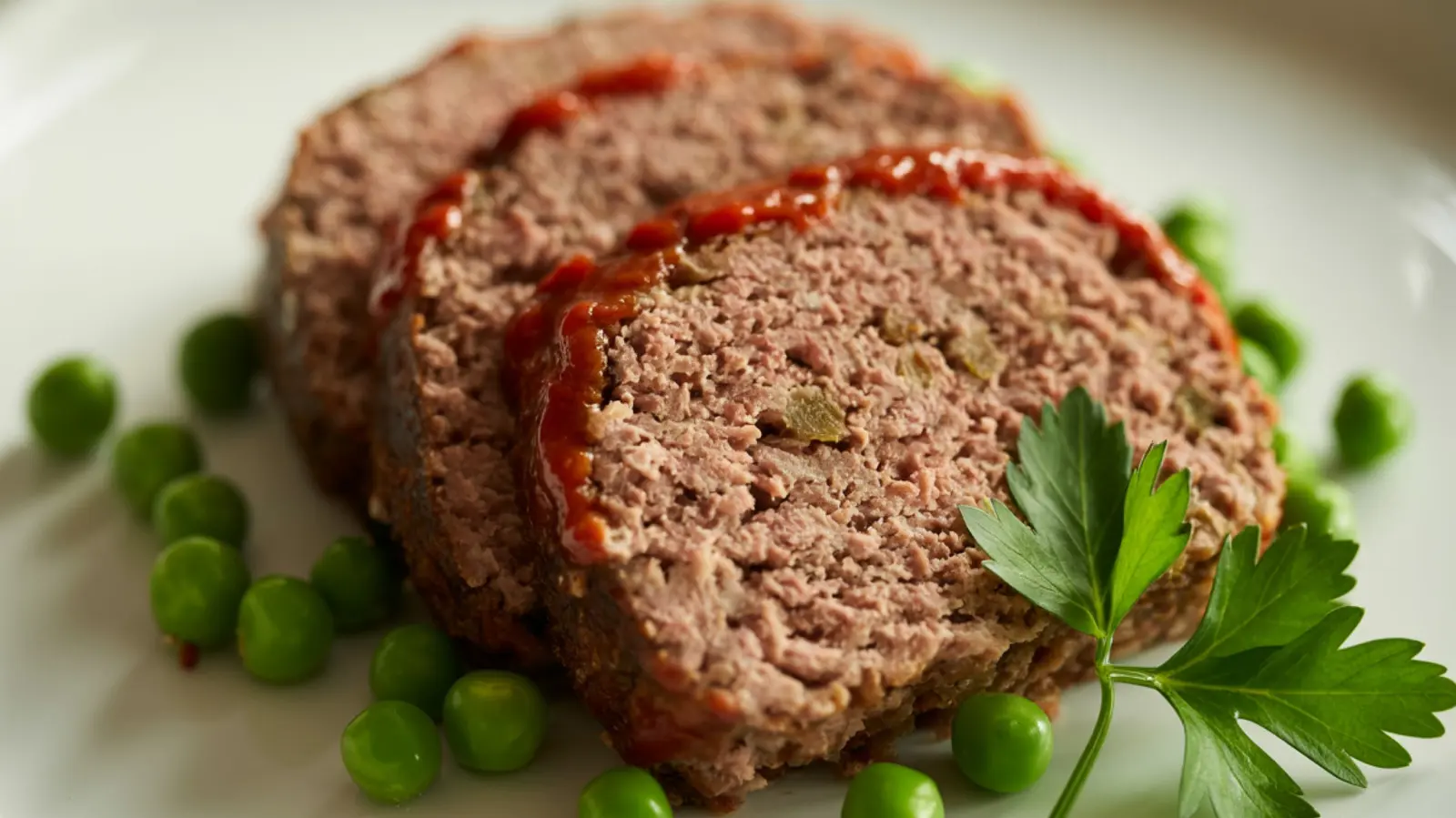
Avoid Dry, Crumbling Meatloaf by Skipping the Oven
Why Oven Baking Fails to Hold the Meatloaf Together
A new trend shows that the classic oven‑baked meatloaf can become dry and crumbly. Home cooks are turning to alternative methods to keep the dish moist and cohesive. The change began after a series of kitchen experiments revealed that traditional baking often strips meatloaf of its natural juices.
Latest news
 Prosciutto Elevates the Classic Grilled Cheese Sandwich
 Costco Frozen Shrimp Rivals Steakhouse Appetizers
 Skip Store‑Shelf German Chocolate for This Rich Duncan Hines Cake Mix
 Severed Sun: A Blood-Red Bourbon Halloween Cocktail
The problem arises because the high heat of an oven dries the surface and pulls moisture out quickly. When the meatloaf is cooked in a pan or slow cooker, the surrounding liquid keeps the mixture from drying. Many chefs now recommend adding extra wet ingredients or wrapping the loaf to lock in steam.
Alternative Cooking Methods That Keep Meatloaf Moist
Ovens heat from the top and bottom, causing the outer layer to brown and contract. This contraction pulls the interior apart, leaving a crumbly texture. Even seasoned recipes that call for a single bake can suffer if the loaf is left uncovered. The lack of steam means the meat’s natural juices evaporate, and the loaf becomes dry.
Chefs suggest using a pan with a lid or a foil lid to trap moisture. When the loaf is wrapped, steam circulates and keeps the meat cohesive. Some home cooks add a splash of broth or tomato sauce to the batter, which helps maintain moisture. Others use a mixture of ground pork and beef, which contains more fat and keeps the loaf tender.
What This Means for Home Cooks
The slow cooker method has become popular. Cooking at low temperature for several hours allows the meat to break down gently, producing a tender, moist loaf. The cooker’s sealed environment keeps steam from escaping, so the loaf stays cohesive. Many slow‑cooker recipes also call for a small amount of broth or sauce added to the mix.
Another option is pan‑searing followed by baking in the oven. The initial sear locks in juices, while a brief bake finishes the loaf without over‑drying. Some cooks wrap the loaf in foil after the sear, letting it steam inside the foil. This technique preserves moisture while still giving the loaf a nice crust.
Frequently Asked Questions
Using a skillet or cast‑iron pan also works. The pan’s heat distributes evenly, preventing the outer layer from drying out too quickly. Covering the pan during the last portion of cooking allows steam to build up, keeping the loaf moist. Many chefs add a small amount of water or broth to the pan before covering.
By avoiding long, high‑heat oven baking, home cooks can create meatloaf that stays juicy and holds together. The new methods are simple and require only a few extra steps. A slow cooker or covered pan offers a hands‑off approach, while a skillet gives more control over the crust. As a result, families can enjoy the comfort of meatloaf without the disappointment of a dry, crumbly mess.
Content written by Tasting Table for fancy-meals.com editorial team, AI-assisted.