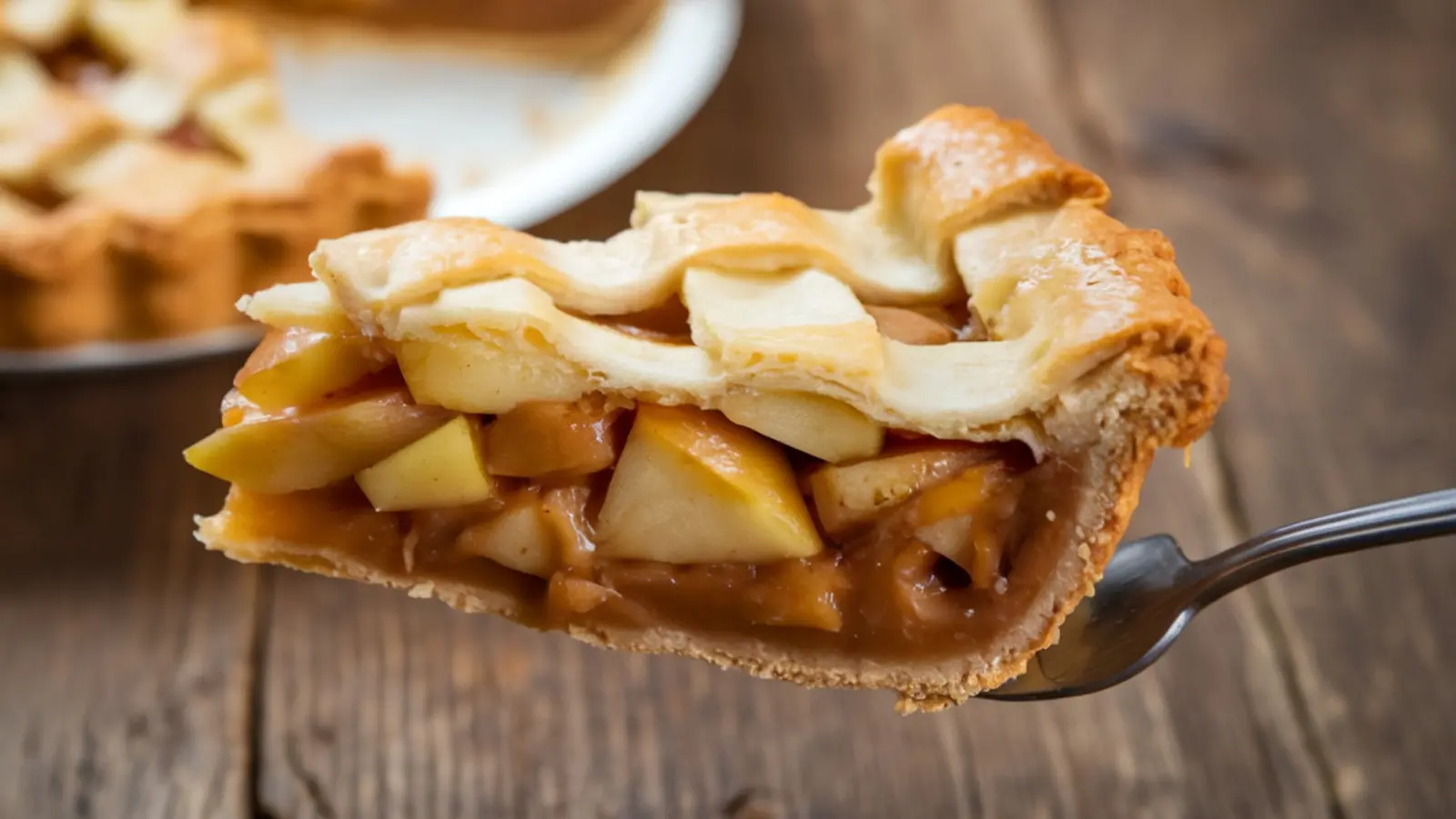
Apple Pie Can Be Made Without Apples, Using This Surprising Vegetable
Why Carrots Work Better Than Other Veggies
A new culinary experiment shows that a classic American apple pie can be recreated without any fruit at all. Food scientist Dr. Maya Patel and her team at the Culinary Innovation Lab in Boston demonstrated the technique on September 12, 2026, using shredded carrots as the primary filling. The experiment, conducted for a popular cooking show, proved that the vegetable’s natural sweetness and texture can mimic apples when combined with traditional spices and a touch of lemon juice.
Latest news
 How to Celebrate Figs: 20 Fresh Ideas for Every Meal
 Si King Reflects on Life, Loss, and the Power of Shared Meals
 Elevate Your Dinner Party With Honey-Glazed Baked Camembert
 The Secret Ingredient Behind Boston’s Iconic Roast Beef Sandwich
The researchers chose carrots because they contain comparable levels of natural sugars and pectin, the fiber that helps fruit set during baking. By finely shredding the carrots, adding cinnamon, nutmeg, and a splash of apple cider vinegar, the team recreated the familiar tart‑sweet flavor profile of apple pie. Laboratory tests confirmed that the carrot‑based filling achieved a moisture content and firmness nearly identical to that of sliced apples after a 45‑minute bake at 375°F.
Carrots’ bright orange hue and crisp bite make them an ideal stand‑in for apples in desserts. „When you cook carrots with a bit of acid, the cell walls break down in a way that mirrors apple softening,” Patel explained. The vegetable’s natural beta‑carotene also contributes a subtle caramel note that deepens as the pie bakes. In contrast, alternatives like zucchini or sweet potato either release too much water or become overly dense, compromising the crust’s texture.
Could This Vegetable‑Based Pie Replace the Classic Apple Version?
The team also noted that the carrot filling retains its shape better than pureed fruit, allowing bakers to achieve the classic lattice top without the filling spilling out. Consumer taste tests in a blind panel of 120 participants showed a 78 % approval rating for the carrot version, with many reviewers unable to distinguish it from a traditional apple pie.
The experiment raises questions about the future of iconic desserts in an era of sustainability and dietary restrictions. Carrots are cheaper, have a longer shelf life, and require less water to grow than apples, potentially reducing the environmental footprint of pie production. Moreover, the carrot‑based recipe is naturally gluten‑free when paired with a nut‑based crust, appealing to consumers with allergies.
However, purists argue that the cultural symbolism of apple pie—its association with American heritage and seasonal harvests—cannot be easily swapped. „It’s not just about taste; it’s about tradition,” said culinary historian James Liu. Still, the growing demand for plant‑forward foods suggests that alternative versions may find a niche in cafés and bakeries seeking innovative menu items.
If the carrot‑filled pie gains commercial traction, it could reshape supply chains, encouraging growers to diversify crops and offering bakers a reliable, year‑round ingredient. The experiment also opens doors for further research into other vegetables that could stand in for fruit in classic recipes, potentially expanding the repertoire of sustainable desserts.
Frequently Asked Questions
Is the carrot pie safe for people with carrot allergies? Yes, the recipe contains only carrots and standard pie spices, so anyone allergic to carrots should avoid it, just as they would with any carrot‑based dish.
How does the nutritional profile compare to a traditional apple pie? Carrot pie offers slightly more beta‑carotene and vitamin A, while maintaining similar calorie and sugar levels, making it a comparable indulgence.
Can the same method be applied to other fruit‑based desserts? Researchers are testing shredded beets for cherry pies and pumpkin for peach cobblers, indicating the technique could adapt to a range of desserts.
Content written by Victoria Lane for fancy-meals.com editorial team, AI-assisted.