America's Tastiest Trends: A History
The Rise of Fast Food Culture
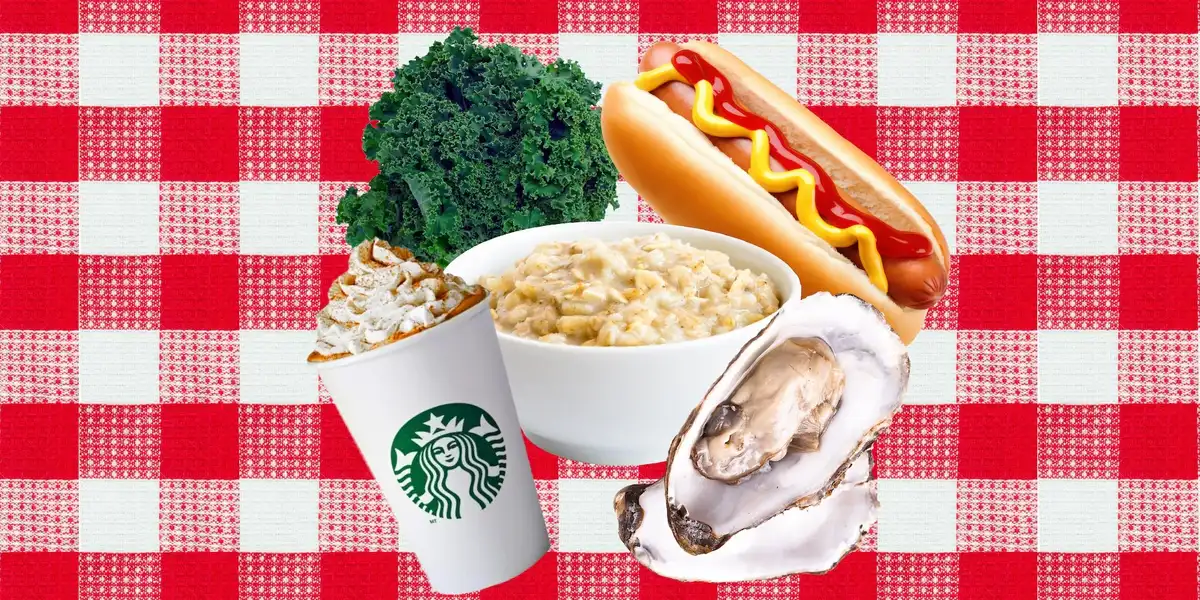
The United States has a rich history of food trends, from convenient TV dinners to the health-conscious kale craze. These trends have shaped the nation's eating habits. They reflect changing lifestyles, cultural influences, and economic conditions. The stories behind these trends are fascinating.
Latest news
 Savory Grill Alternatives: 14 Burgers That Skip Beef
 Chipotle Black Bean Veggie Burgers
 Smoked Salmon Dip Delights
 Crispy Japanese Popcorn Shrimp Delight
The post-war era saw a rise in convenience foods, driven by busy lifestyles and technological advancements. Swanson's TV dinner, introduced in 1954, revolutionized mealtime with pre-packaged, easy-to-cook meals. This innovation catered to the growing number of working women and families with limited time for cooking.
Can Healthy Eating Be Sustainable?
As Americans continued to urbanize and work longer hours, the demand for quick, affordable meals grew. Fast food chains like McDonald's and Burger King capitalized on this trend, serving burgers, fries, and other processed foods. By the 1970s, fast food had become a staple of American cuisine.
The 1990s and 2000s saw a shift towards healthier eating, driven by growing concerns about obesity and nutrition. Kale, once a niche ingredient, became a superfood, prized for its nutritional benefits. Chefs and food bloggers popularized kale salads, smoothies, and other dishes, making it a mainstream ingredient.
As the kale craze continues, some wonder if the trend towards healthy eating can be sustained. With the rise of meal kit services and healthy fast food options, it's clear that consumers are willing to pay for nutritious food. However, the environmental impact of these trends remains a concern.
Frequently Asked Questions
The evolution of American food trends reflects changing societal values and lifestyles. As the nation continues to diversify and prioritize health, the food industry will likely respond with new innovations. Whether these trends will be sustainable remains to be seen.
What sparked the TV dinner craze? The TV dinner was introduced in 1954 by Swanson, catering to busy families and working women. How did kale become a superfood? Chefs and food bloggers popularized kale in the 2000s, highlighting its nutritional benefits. Will healthy eating trends continue? The demand for nutritious food is likely to persist, driven by growing health concerns and consumer willingness to pay for healthy options.
Content written by Henry Cross for fancy-meals.com editorial team, AI-assisted.