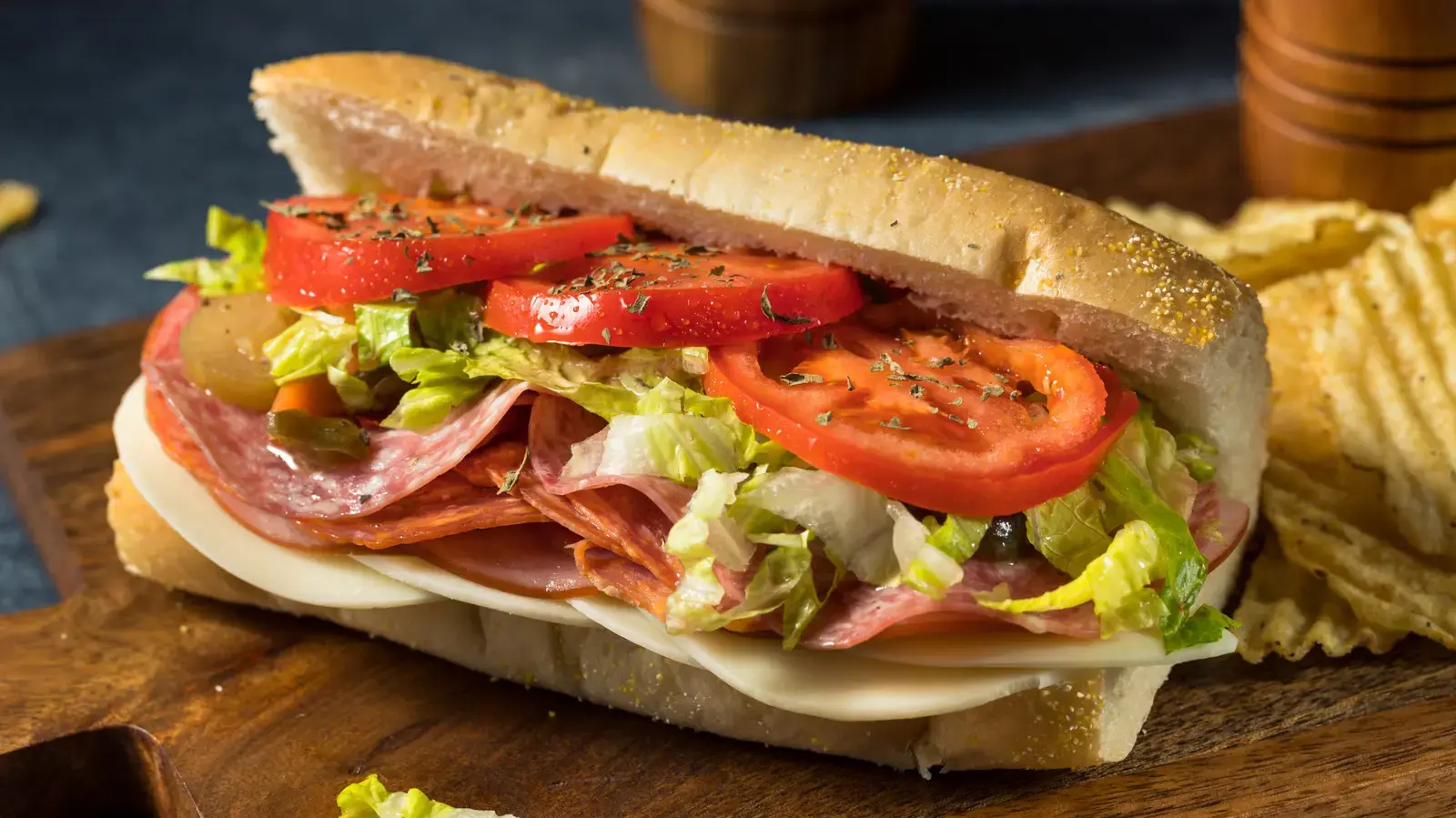
Add This Tangy Topping To Your Italian Sub For Extra Mouth-Watering Crunch
Home cooks report the trick transforms ordinary subs into restaurant-quality
A simple yet transformative addition can elevate the classic Italian sub from satisfying to sensational. Food enthusiasts seeking that perfect balance of textures and flavors are discovering how a tangy, crunchy element cuts through the richness of traditional ingredients. This overlooked topping, often found in pantries but rarely considered for sandwiches, delivers both brightness and bite. The recommendation comes amid growing interest in maximizing homemade deli creations with accessible, impactful tweaks. The Italian sub’s foundation—layers of salami, pepperoni, ham, provolone, lettuce, tomato, and onion—creates a savory profile that benefits from acidity and contrast. Pickled vegetables, particularly pepperoncini or giardiniera, introduce vinegar-based tang that awakens the palate while their firm texture provides satisfying crunch against soft bread and tender meats. Culinary experts note this addition doesn’t overpower but instead harmonizes, cutting through fat and enhancing each bite.
Latest news
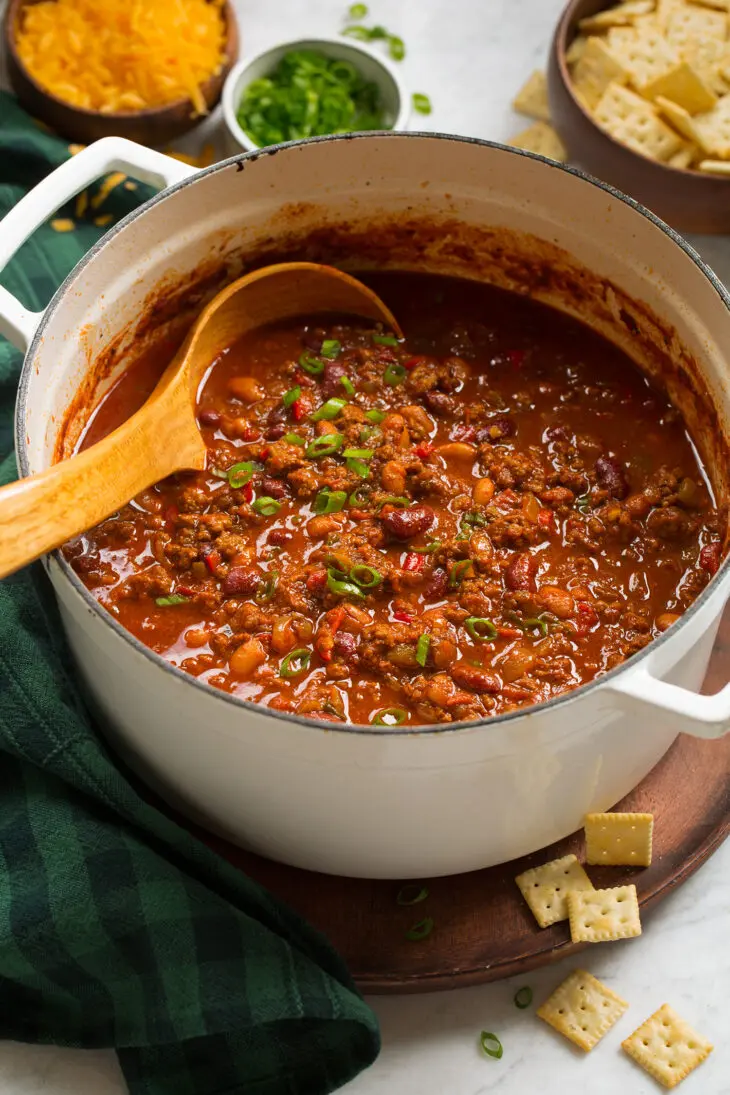 The Ultimate Homemade Chili Recipe for Cold Weather
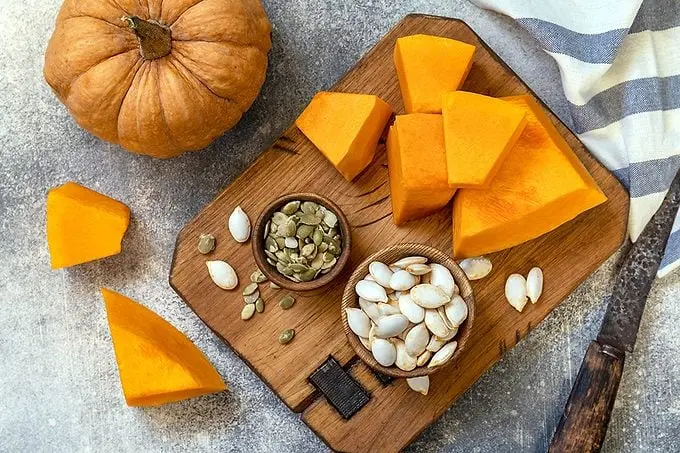 The Nutritional Power of Pumpkin Beyond Seasonal Desserts
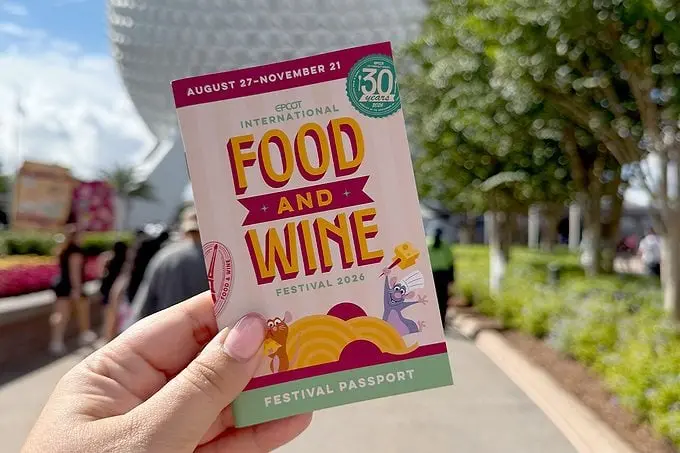 A Culinary Journey Through the 30th Epcot International Food and Wine Festival
 Burger King Unleashes Hello Kitty Kids' Meal with Ultra-Rare Golden Collectible
Home cooks report the trick transforms ordinary subs into restaurant-quality experiences with minimal effort. Why Acid Balance Matters in Hearty Sandwiches Rich, fatty meats and cheeses can overwhelm the senses without a counterpoint to cleanse the palate. The lactic acid in fermented or pickled toppings stimulates saliva production, which helps break down fats and reset taste buds between bites. This physiological response explains why the sandwich feels less heavy and more refreshing despite identical caloric content. Nutritionists acknowledge that while not a health food, the addition improves digestibility and enjoyment of indulgent meals. The technique mirrors principles used in global cuisines where rich dishes are routinely served with acidic accompaniments. How Much Topping Is Too Much? Achieving the ideal ratio requires restraint—overloading risks soggy bread or an overpowering vinegar punch that masks other flavors.
Most sandwich artisans recommend starting with one to two tablespoons of
Most sandwich artisans recommend starting with one to two tablespoons of well-drained peppers per six-inch sub, adjusting to taste after the first bite. The key is distributing the topping evenly rather than concentrating it in one area, ensuring every mouthful gets a hint of brightness. Some enthusiasts prefer chopping the peppers finely for uniform dispersion, while others enjoy larger pieces for intermittent bursts of crunch and tang. Experimentation allows personalization based on bread type and meat selection. Frequently Asked Questions What type of peppers work best for this topping? Pepperoncini and giardiniera are ideal due to their balanced tang and firm texture, though banana peppers or quick-pickled jalapeños offer viable alternatives with varying heat levels. Should the peppers be used hot or cold from the jar?
Cold peppers straight from the refrigerator provide the most refreshing contrast, though bringing them to room temperature slightly mellows their acidity for those sensitive to sharp flavors. Can this topping be used on other sandwich styles? Absolutely—the principle applies to any rich, fatty sandwich like meatball subs, cheesesteaks, or even grilled cheese, where acidity cuts through heaviness and adds textural interest.
Content written by Isabelle Fontaine for fancy-meals.com editorial team, AI-assisted.