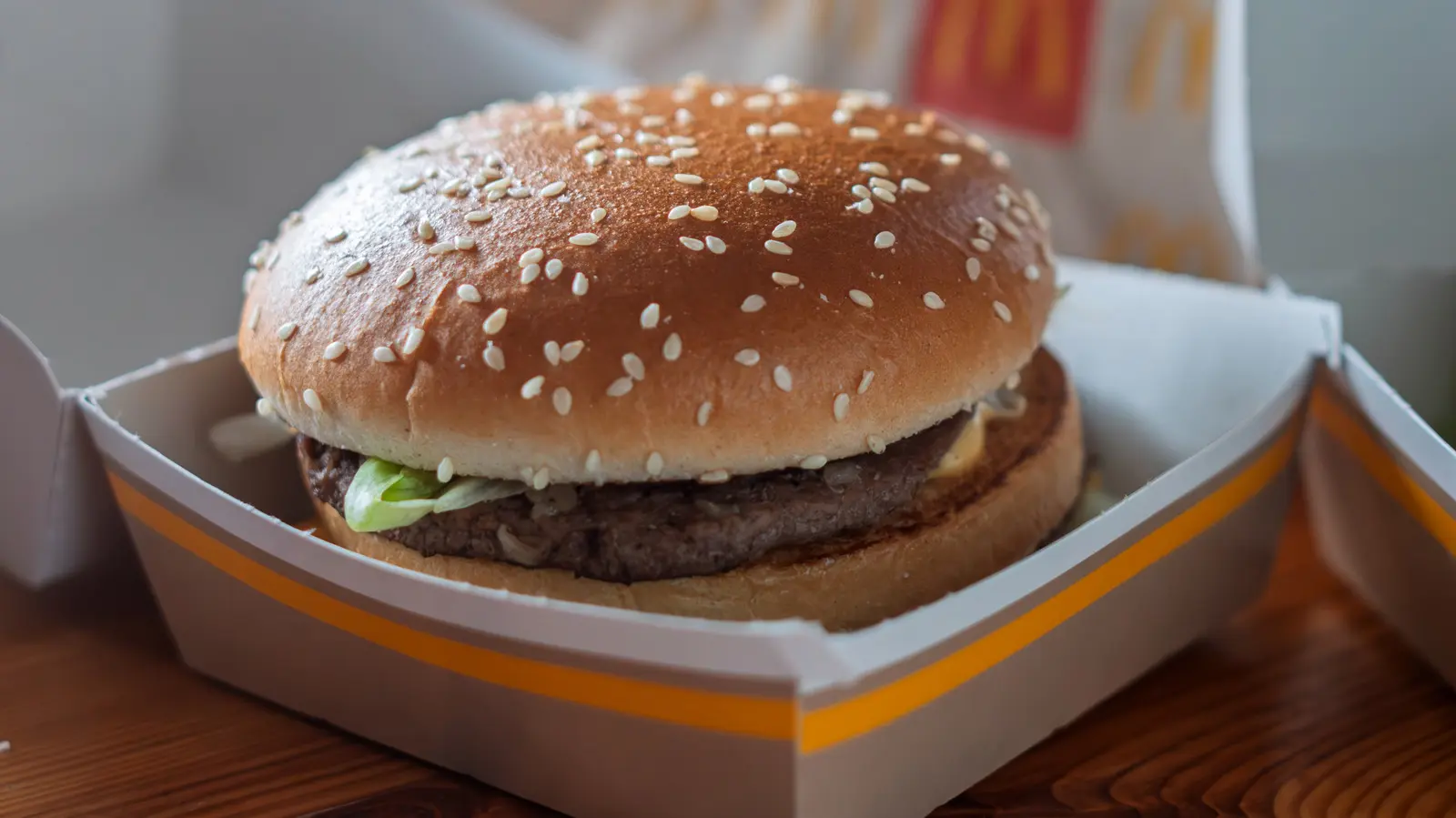
A Few Simple Tweaks Can Make Your McDonald’s Hamburger Taste Like the 1955 Original
Recreating the 1955 Bun and Patty
The classic McDonald’s hamburger, first sold in 1955 at the original San Bernardino restaurant, differed markedly from today’s version. It featured a single thin beef patty, a plain bun, and a modest amount of mustard and ketchup. Modern diners can recreate that vintage flavor by adjusting toppings, bun type, and cooking method, bringing a piece of fast‑food history to the table.
Latest news
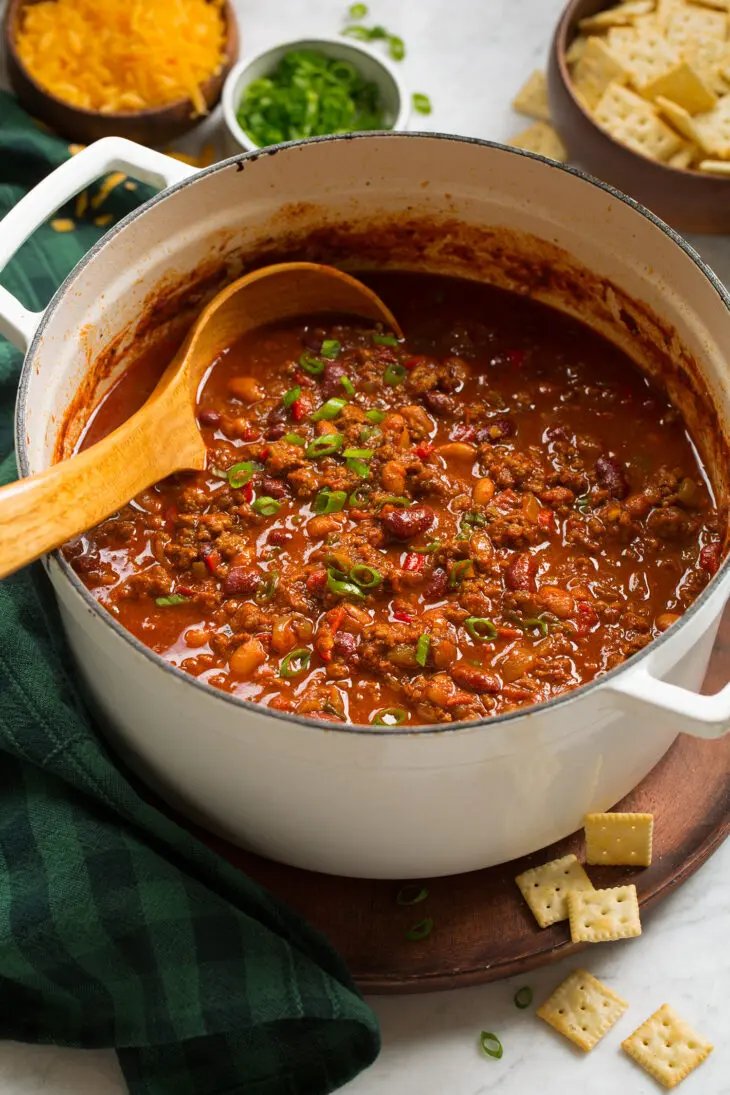 The Ultimate Homemade Chili Recipe for Cold Weather
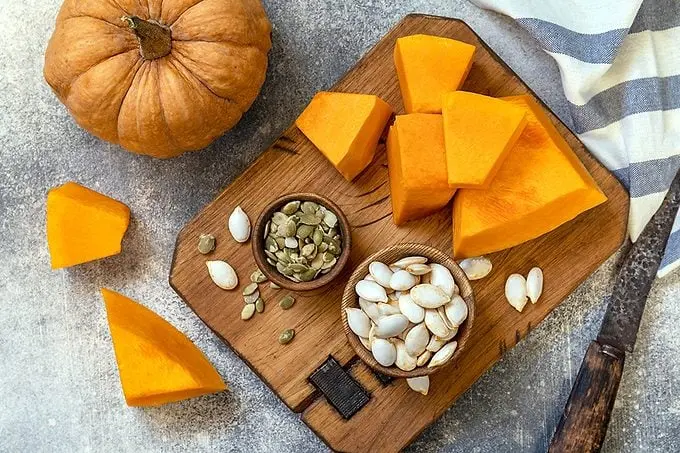 The Nutritional Power of Pumpkin Beyond Seasonal Desserts
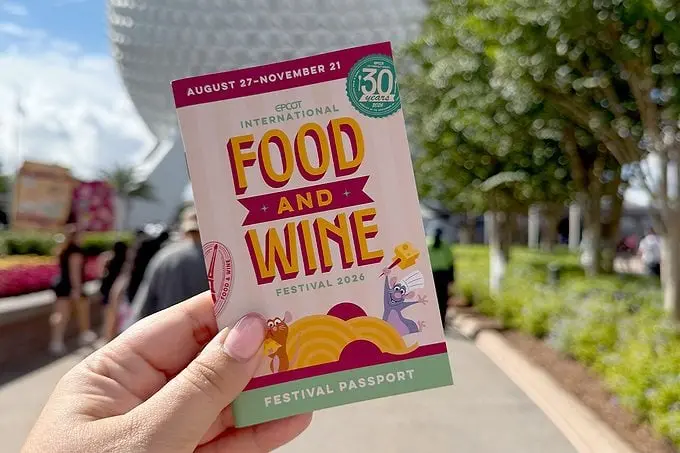 A Culinary Journey Through the 30th Epcot International Food and Wine Festival
 Burger King Unleashes Hello Kitty Kids' Meal with Ultra-Rare Golden Collectible
Back in the 1950s, the McDonald brothers focused on speed and simplicity, serving a menu built around a few core items. The hamburger was modest: a 1.6‑ounce beef patty, a soft, unsprouted wheat bun, a single slice of American cheese only on the „cheeseburger,” and a dollop of mustard and ketchup. No lettuce, tomato, onions, or pickles made the cut. The cooking process used a single‑griddle method that left the patty slightly charred on the edges, a texture lost in today’s fully automated grills. By stripping away modern additions and using a cast‑iron skillet, home cooks can approximate the original taste and texture.
To mimic the original bun, bakers should choose a plain, soft roll without sesame seeds, preferably made from an unsprouted wheat flour for a subtle sweetness. Toast the bun lightly on a skillet to achieve the slight crispness the brothers prized. For the patty, use freshly ground 80/20 beef, forming a thin disc about 3 inches in diameter. Season with just a pinch of salt and pepper, then sear on high heat for 45 seconds per side, allowing a thin crust to form while keeping the interior juicy.
Why Do Modern Customers Crave Vintage Flavors?
The original sauce was a simple mix of equal parts yellow mustard and ketchup, applied sparingly to avoid sogginess. Adding a single slice of American cheese only on the cheeseburger version preserves authenticity. Serve the burger hot, with the bun’s bottom half holding the patty and sauce, and the top half acting as a modest lid.
Nostalgia drives many diners to seek out retro menu items, and the original McDonald’s hamburger offers a glimpse into the chain’s humble beginnings. Food historians note that the 1950s burger reflects post‑war American simplicity, emphasizing speed, affordability, and a consistent flavor profile. Today’s consumers, overwhelmed by extensive menus and bold flavors, often appreciate the straightforward, unpretentious taste of the original.
Industry analysts observe that fast‑food chains that reintroduce legacy items see short‑term sales spikes, suggesting a market for heritage‑focused offerings. McDonald’s has experimented with limited‑time „Throwback” items, and the positive response indicates that a permanent menu slot for the 1955 burger could attract both older fans and curious younger patrons.
The resurgence of classic recipes aligns with broader culinary trends that favor „heritage cooking,” where chefs revive historic dishes using modern techniques. By offering a simple, well‑executed version of the original hamburger, restaurants can tap into this movement while honoring their brand’s origins.
Frequently Asked Questions
How can I find the right bun for a 1955‑style burger? Look for plain, soft rolls made from unsprouted wheat flour, avoiding sesame seeds or whole‑grain varieties. Lightly toast them on a skillet for authenticity.
Is it necessary to use a cast‑iron skillet for the patty? A cast‑iron skillet best replicates the original high‑heat sear, creating a thin crust while keeping the interior moist. A non‑stick pan works, but the flavor may differ.
Will adding lettuce or tomato ruin the vintage experience? Yes. The 1955 hamburger omitted fresh vegetables; adding them changes the flavor profile and strays from the original simplicity.
Content written by Isabelle Fontaine for fancy-meals.com editorial team, AI-assisted.