
13 Fast Food Trends We Hope Fade After 2026
The Overcomplication of Classic Menu Staples
Since the early 2000s, fast food has shifted from quick, cheap meals to elaborate, pricey offerings. These changes strain budgets, slow service, and prompt diners to question the core appeal. The industry now experiments with novel formats, premium ingredients, and digital ordering, making the experience less straightforward than before.
Latest news
 The Ultimate Homemade Chili Recipe for Cold Weather
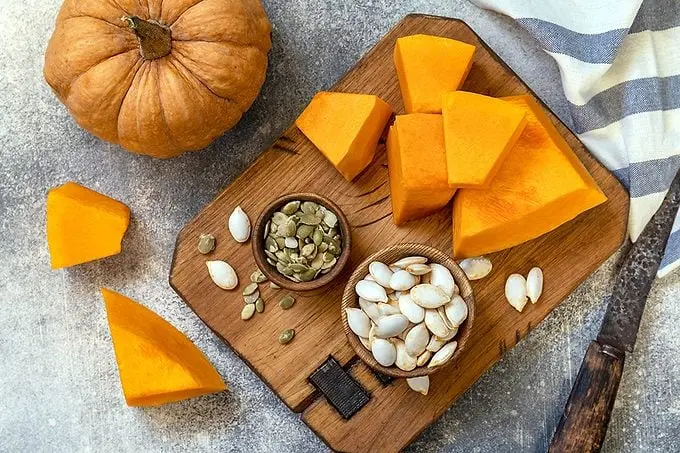 The Nutritional Power of Pumpkin Beyond Seasonal Desserts
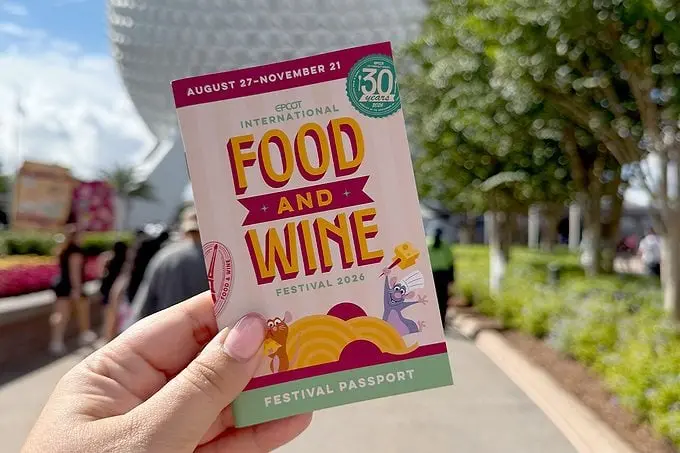 A Culinary Journey Through the 30th Epcot International Food and Wine Festival
 Burger King Unleashes Hello Kitty Kids' Meal with Ultra-Rare Golden Collectible
Consumers notice longer wait times, higher price tags, and menus featuring unfamiliar items like plant‑based nuggets and AI‑crafted dishes. These shifts stem from brands seeking differentiation, appealing to health‑focused customers, and using technology, often at the expense of speed and affordability.
Fast food chains now layer multiple ingredients, introduce exotic flavors, and rely on digital kiosks. This turns a once‑simple burger into a multi‑step order. The resulting slower service and higher prices contradict the original promise of convenience.
Is the Push for Premium Ingredients Undermining Value?
Many outlets now market organic lettuce, free‑range chicken, and artisanal sauces, claiming higher quality. While these items attract attention, they raise costs and lengthen preparation, eroding the fast‑food promise of quick, inexpensive meals. The premium pricing also alienates budget‑conscious diners who seek value for money.
If these trends were to fade after 2026, fast food could return to its roots of rapid service and low cost, restoring satisfaction for budget‑focused diners. Industry analysts warn that without simplification, long‑term growth may stall as customers turn to alternative dining options.
Frequently Asked Questions
Why do fast‑food chains add so many new menu items? They aim to stand out in a crowded market and attract diverse tastes, but the added complexity often slows service and raises prices, moving away from the quick, cheap model.
Will removing these trends improve affordability? Simplifying menus and cutting premium ingredients could lower costs, making meals more affordable for a broader audience and encouraging repeat visits.
How might consumer behavior change if fast food becomes simpler? Customers may return to frequent, low‑cost purchases, favoring the convenience that originally defined the sector, which could boost overall sales despite fewer flashy offerings.
Content written by [email protected] (DB Kelly) for fancy-meals.com editorial team, AI-assisted.