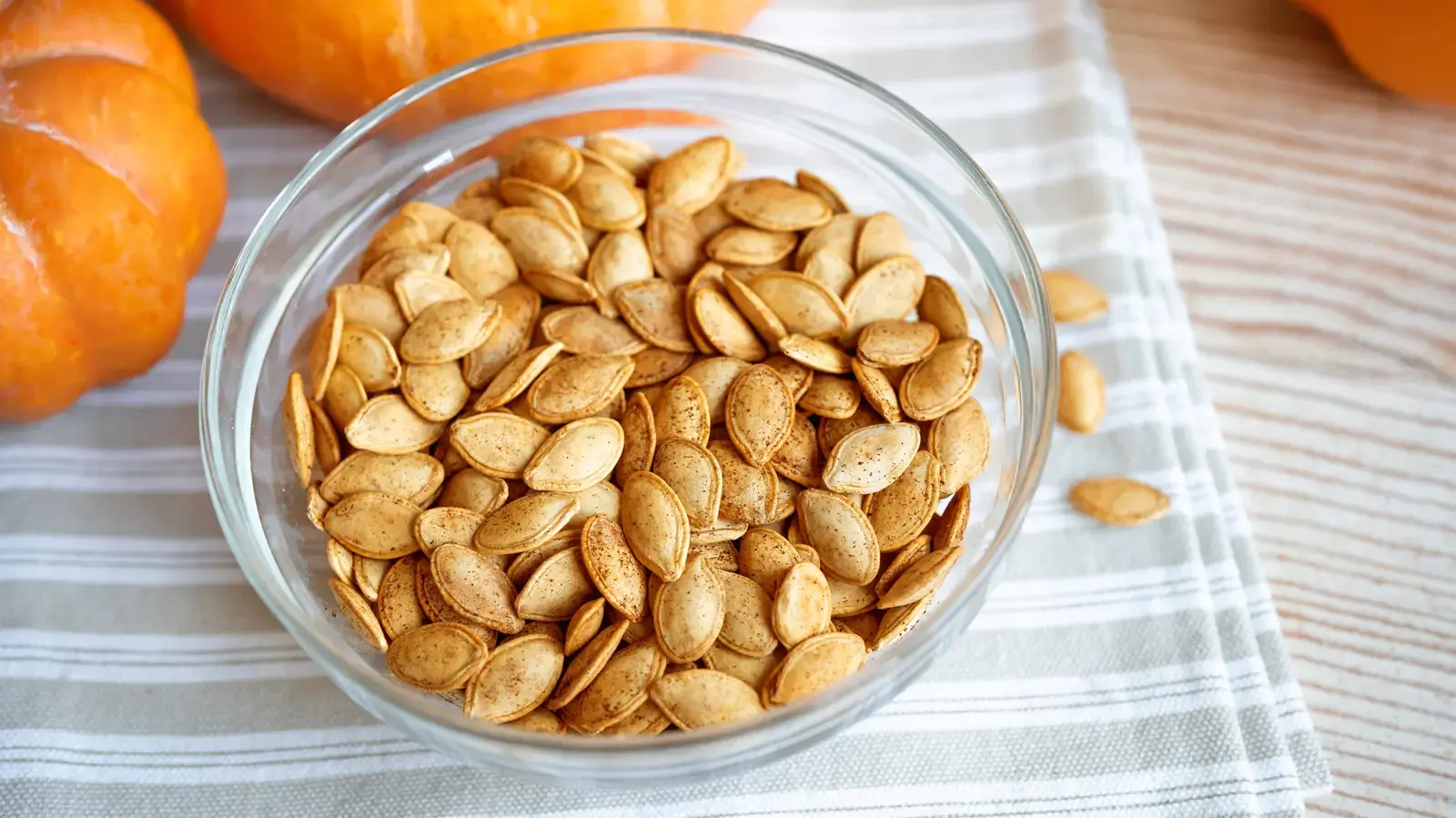
10 Tips for Turning Leftover Pumpkin Seeds into Crispy Snacks
From Pumpkin Carving to Snack Time: A Simple Transformation
A recent guide offers a practical way to use the seeds that fall out of pumpkins after carving, cooking, or roasting. By following a few simple steps, anyone can turn these often-discarded kernels into a tasty, nutritious snack. The tips cover cleaning, seasoning, and roasting techniques that work whether you’re preparing a large batch for a party or just a handful for yourself.
Latest news
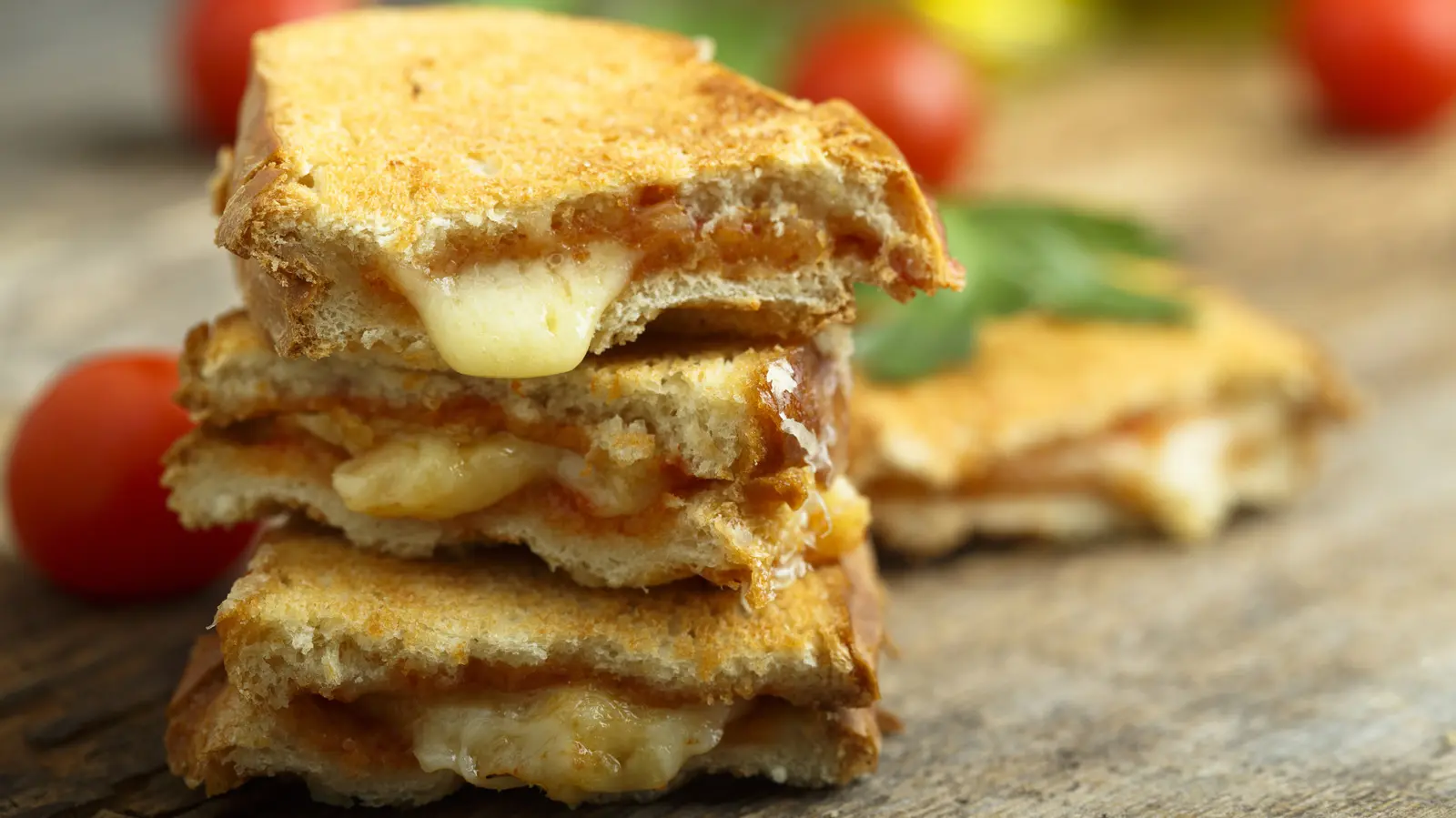 Prosciutto Elevates the Classic Grilled Cheese Sandwich
 Costco Frozen Shrimp Rivals Steakhouse Appetizers
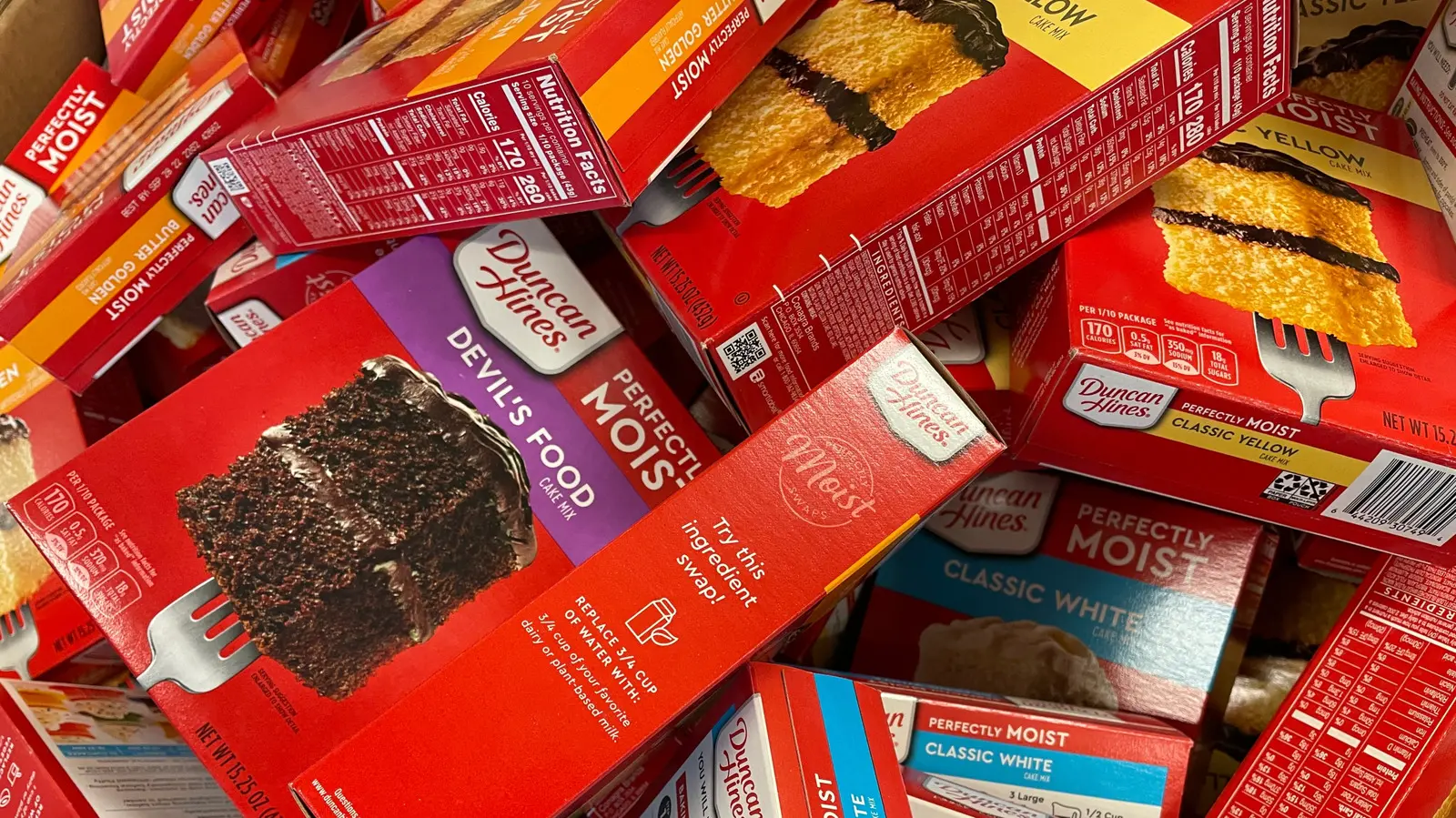 Skip Store‑Shelf German Chocolate for This Rich Duncan Hines Cake Mix
 Severed Sun: A Blood-Red Bourbon Halloween Cocktail
The guide explains how to clean the seeds, remove the pulp, and dry them before tossing them in oil and spices. It also suggests experimenting with sweet or savory flavors, and provides advice on how to keep the seeds from sticking together during roasting. The method is ideal for home cooks who want to reduce waste and create a healthy treat for themselves or guests.
How Does the Texture Change with Different Oils and Spices?
The first step is to scoop the seeds from the pumpkin’s cavity after carving or cooking. A small bowl of warm water helps loosen the pulp that clings to the kernels. Rinse the seeds thoroughly, then spread them on a towel to dry completely. Removing excess moisture is key to achieving a crisp texture. Once dry, the seeds can be tossed in a light coating of oil—olive or avocado oil works well—and seasoned with salt, pepper, or your favorite spice blend. For a sweet option, a sprinkle of cinnamon or a dusting of brown sugar can add a pleasant contrast.
The guide notes that roasting at a moderate temperature, around 200 °C (400 °F), for 20 to 30 minutes yields the best results. Stirring the seeds halfway through helps them brown evenly. If you prefer a crunchier bite, increase the heat slightly and keep a close eye on them to avoid burning. The final product is a golden, flavorful snack that can be enjoyed on its own or used as a topping for salads, soups, or even desserts.
Are There Health Benefits to Eating Roasted Pumpkin Seeds?
The choice of oil influences both flavor and crunch. Light oils such as grapeseed or canola allow the spices to shine, while heavier oils like coconut or sesame add depth. Adding a pinch of smoked paprika or chili powder can give the seeds a subtle heat, whereas a dash of nutmeg or allspice offers a warm, aromatic profile. The guide emphasizes that a minimal amount of oil—just enough to coat the seeds—prevents them from becoming soggy. Seasoning can be adjusted to taste, but a simple mix of sea salt and pepper is a reliable base.
For those who want to experiment, the article suggests using a small amount of honey or maple syrup for a sweet glaze. Drizzle the syrup over the seeds after they have roasted, then return them to the oven for a few minutes to set the coating. This technique creates a glossy finish and a caramelized edge that pairs well with the natural nuttiness of the pumpkin.
Frequently Asked Questions
Yes, pumpkin seeds are nutrient-dense. They contain healthy fats, protein, magnesium, zinc, and antioxidants. Roasting them at a moderate temperature preserves most of these nutrients while enhancing their flavor. The guide notes that a single serving—about 30 grams—provides roughly 150 calories, 12 grams of fat, and 5 grams of protein. For those watching their calorie intake, lightly seasoning the seeds without added sugars is a smart choice. Additionally, the seeds’ high magnesium content can help relax muscles and support heart health.
In conclusion, turning pumpkin seeds into a snack is a simple, eco-friendly way to reduce kitchen waste. By following the cleaning, seasoning, and roasting steps outlined in the guide, anyone can create a delicious treat that satisfies cravings and adds nutritional value to their diet. Whether you’re hosting a Halloween gathering or looking for a quick, wholesome bite, these roasted pumpkin seeds are a versatile addition to any pantry.
Content written by [email protected] (Catherine Brookes) for fancy-meals.com editorial team, AI-assisted.