The Rise of Restaurant-Grown Produce in Britain
Why Are Restaurants Going Green?
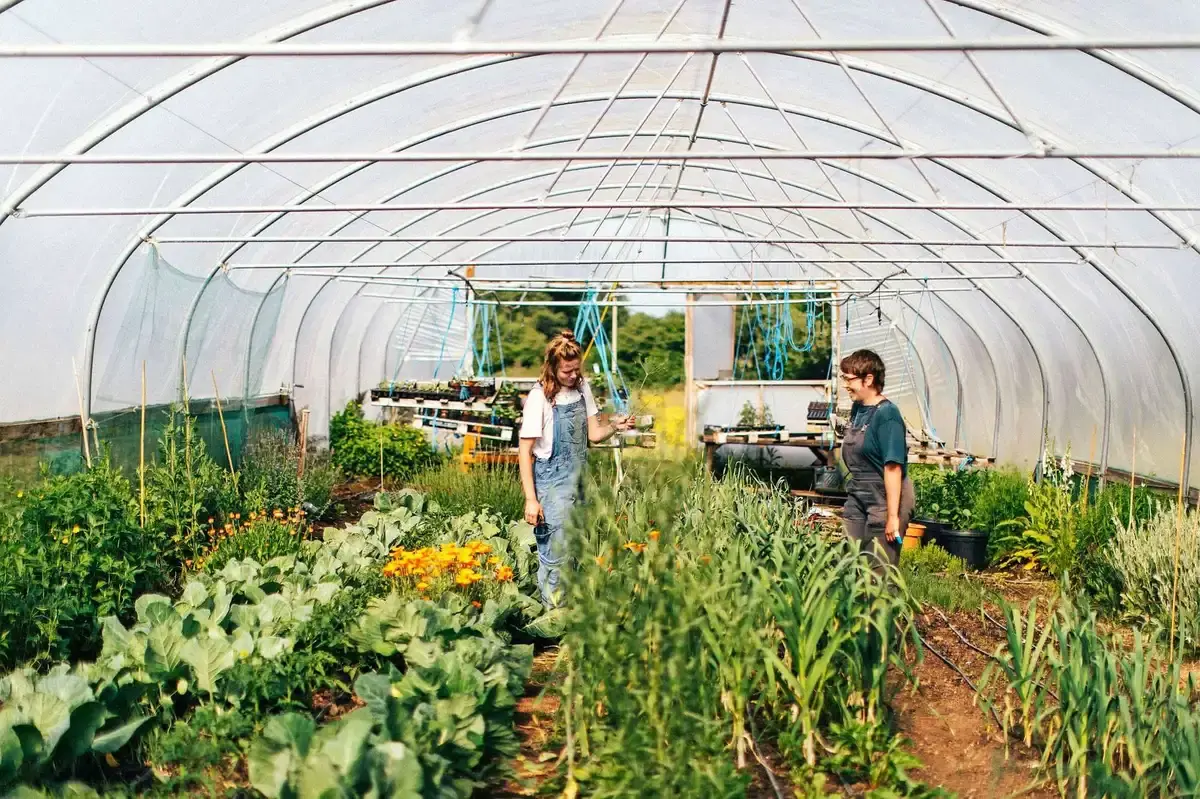
In the UK, an increasing number of restaurants are turning to their own gardens for fresh ingredients. Chefs like Jan Ostle from Wilsons in Bristol are benefiting from nearby market gardens, where vegetables are harvested just hours before they reach the kitchen. This practice is becoming popular across both rural and urban settings.
Latest news
 Costco's Frozen Dumpling Lineup, Ranked From Least To Most Tasty
 Best stainless-steel frying pans 2026: expert-tested picks for searing, eggs and daily cooking
 Trader Joe’s First‑Time Shopper Guide: Must‑Try Items
 Panda Express vs P.F. Chang's: Which Orange Chicken Is Healthier?
The primary advantage of growing produce on-site is the freshness and flavor it brings to dishes. Ostle describes the vegetables from his partner Mary Wilson's garden as his „ace in the hole.”The immediate access to high-quality ingredients allows chefs to create exceptional meals that showcase the best of the South West's produce. Many restaurants are now realizing that cultivating their own food not only enhances their menu but also reduces their carbon footprint.
The trend of growing food in restaurants stems from a desire for sustainability and quality. Chefs are increasingly aware of the environmental impact of sourcing ingredients from far away. By cultivating their own produce, they can ensure freshness while supporting local ecosystems. This practice resonates with diners who are becoming more conscious of where their food comes from.
How Does This Impact the Dining Experience?
Restaurants like Wilsons are not alone. Establishments across the country are utilizing rooftops, gardens, and even small plots of land to grow herbs, vegetables, and fruits. This movement is part of a broader shift towards sustainable dining. Many chefs are also experimenting with heirloom varieties and organic practices, which further enhances the uniqueness of their offerings.
What does this shift mean for diners? For one, it creates a deeper connection between the food on the plate and the land it comes from. Diners can enjoy meals crafted from ingredients that were literally grown just steps away from the kitchen. This not only enhances the flavor but also provides a story behind each dish.
Moreover, the trend is inspiring a new generation of chefs who are eager to learn about agriculture and sustainability. Many culinary schools are incorporating gardening into their programs, emphasizing the importance of understanding food sources. This educational shift is likely to influence future dining trends as chefs become more knowledgeable about the ingredients they use.
The growing movement of restaurants cultivating their own food is reshaping the dining landscape in Britain. As more chefs embrace this practice, diners can expect fresher, more flavorful meals that celebrate local produce. The future of dining looks promising as sustainability becomes a core value in the culinary world.
Frequently Asked Questions
Why are restaurants choosing to grow their own food? Restaurants are growing their own food to ensure freshness, enhance flavor, and reduce environmental impact. This trend aligns with a growing consumer preference for sustainable dining options.
What types of produce are commonly grown by restaurants? Many restaurants grow herbs, vegetables, and fruits that can be easily cultivated in small spaces. Common choices include tomatoes, lettuce, and various herbs, which are often used in dishes prepared on-site.
How does this trend affect the culinary education of future chefs? Culinary schools are increasingly incorporating gardening and sustainability practices into their programs. This prepares future chefs to understand the importance of sourcing ingredients responsibly and creatively.
Content written by Henry Cross for fancy-meals.com editorial team, AI-assisted.