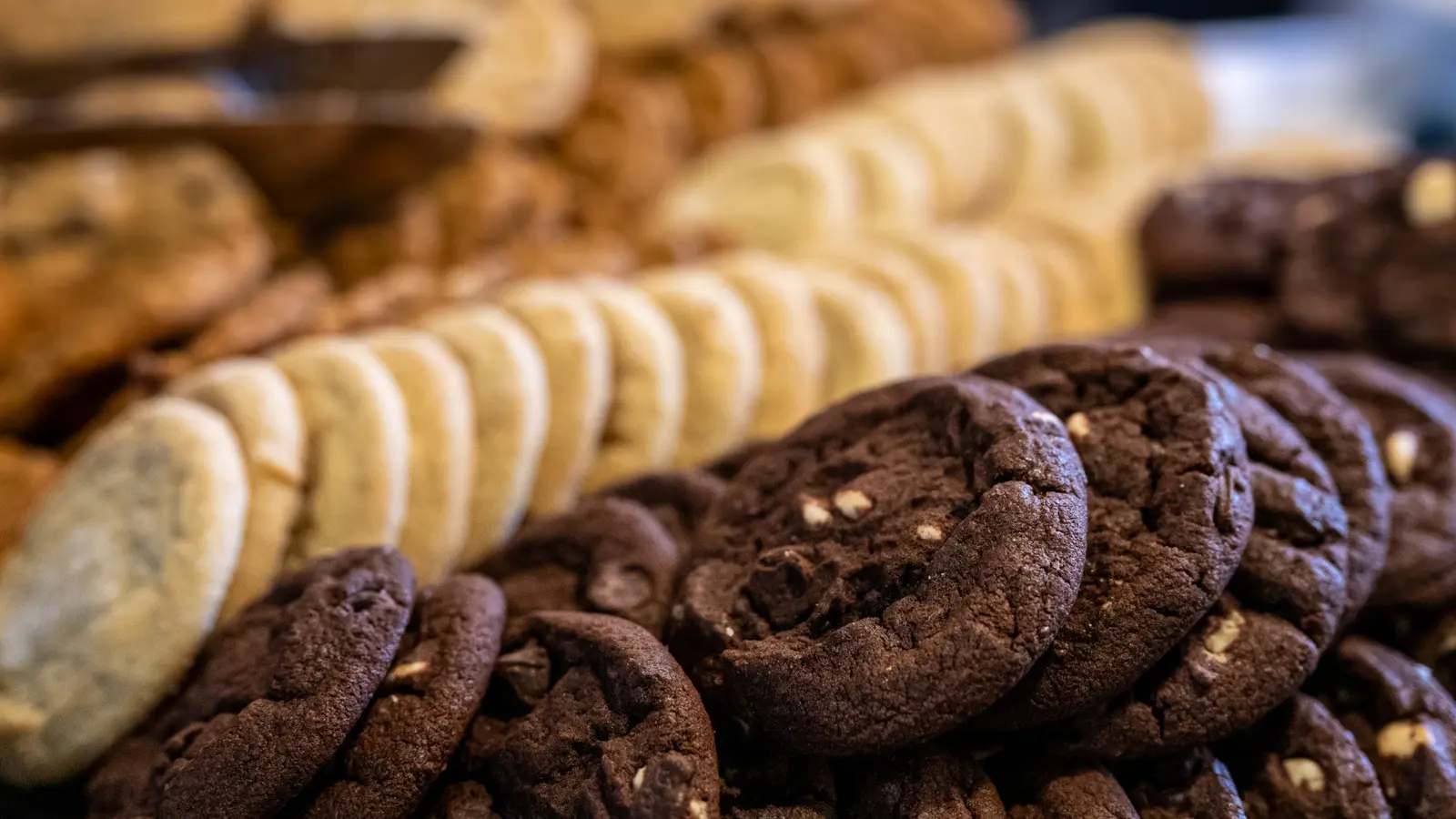
The German‑Born Baker Who Gave America Its First Chocolate‑Chip Cookie
From Kitchen Invention to Mass‑Production Powerhouse
Gustav A. Mayer arrived in New York in 1864, a 19‑year‑old from a small town near Ulm, Germany. He entered a city buzzing with new immigrants and a rapidly expanding confectionery market. Within a few years he secured patents for precision baking equipment and began experimenting in a modest kitchen on the Lower East Side, eventually creating a cookie that would become a national staple.
Latest news
 What Likely Appeared on the First Thanksgiving Menu in 1621
 Anthony Bourdain’s Most Unforgettable Meals on „No Reservations”
 Mastering the Art of Perfect Pie Baking
 Chocolate Peppermint Whoopie Pies: Holiday Treats Made Easy With Boxed Mix
Mayer’s early experiments blended traditional German spice blends with the abundant American sugar and butter supplies. He aimed to produce a uniform, durable biscuit that could survive long ship voyages and appeal to a growing middle class. By 1872 he had perfected a dough that held small, melted cocoa nibs, giving the cookie a crunchy edge and a sweet, caramelized center. He marketed the product as „Mayer’s Chocolate‑Chip Biscuit,” selling it through local bakeries and street vendors. The cookie’s popularity surged after a 1885 exhibition in Chicago, where visitors praised its novel texture and rich flavor.
Mayer’s patented „rotary dough cutter” allowed bakers to cut thousands of uniform biscuits per hour, a breakthrough that reduced labor costs dramatically. This machinery attracted the attention of the newly formed American Biscuit Company, which bought the rights to his recipe in 1890. The company rebranded the treat as the „American Chocolate Chip,” promoting it as a symbol of modern industrial efficiency. By 1900, the cookie was shipped nationwide via railroad, appearing in department store catalogs and becoming a common snack for schoolchildren.
Did the Cookie’s Success Influence Other Immigrant Bakers?
The triumph of Mayer’s creation inspired a wave of immigrant entrepreneurs to adapt their heritage recipes for American tastes. Polish, Italian, and Irish bakers began experimenting with nuts, dried fruit, and spices, leading to a diverse array of „home‑style” cookies that still line grocery shelves today. Culinary historians note that Mayer’s willingness to blend German techniques with American ingredients set a precedent for the fusion cuisine that defines modern American food culture.
Mayer’s legacy lives on in the billions of chocolate‑chip cookies baked each year. While the original brand faded after several corporate mergers, the basic formula remains unchanged: a buttery dough studded with semi‑sweet chocolate pieces. Food scientists continue to study the cookie’s texture, citing it as an early example of controlled crystallization in baked goods. As consumer interest in heritage foods grows, historians expect renewed attention to the immigrant stories behind America’s most beloved snacks.
Frequently Asked Questions
What year did Gustav Mayer patent his baking equipment? Mayer received his first patent for a precision dough‑cutting machine in 1871, a year before he launched his chocolate‑chip biscuit.
Did the original cookie contain chocolate chips as we know them today? Mayer used small, hand‑rolled cocoa nibs that melted during baking, creating irregular „chips.” Modern chocolate chips were standardized later by American manufacturers in the 1930s.
Is there a surviving original recipe for Mayer’s biscuit? A handwritten notebook discovered in a New York archive in 2018 contains a version of the recipe, though exact ingredient ratios differ slightly from contemporary versions.