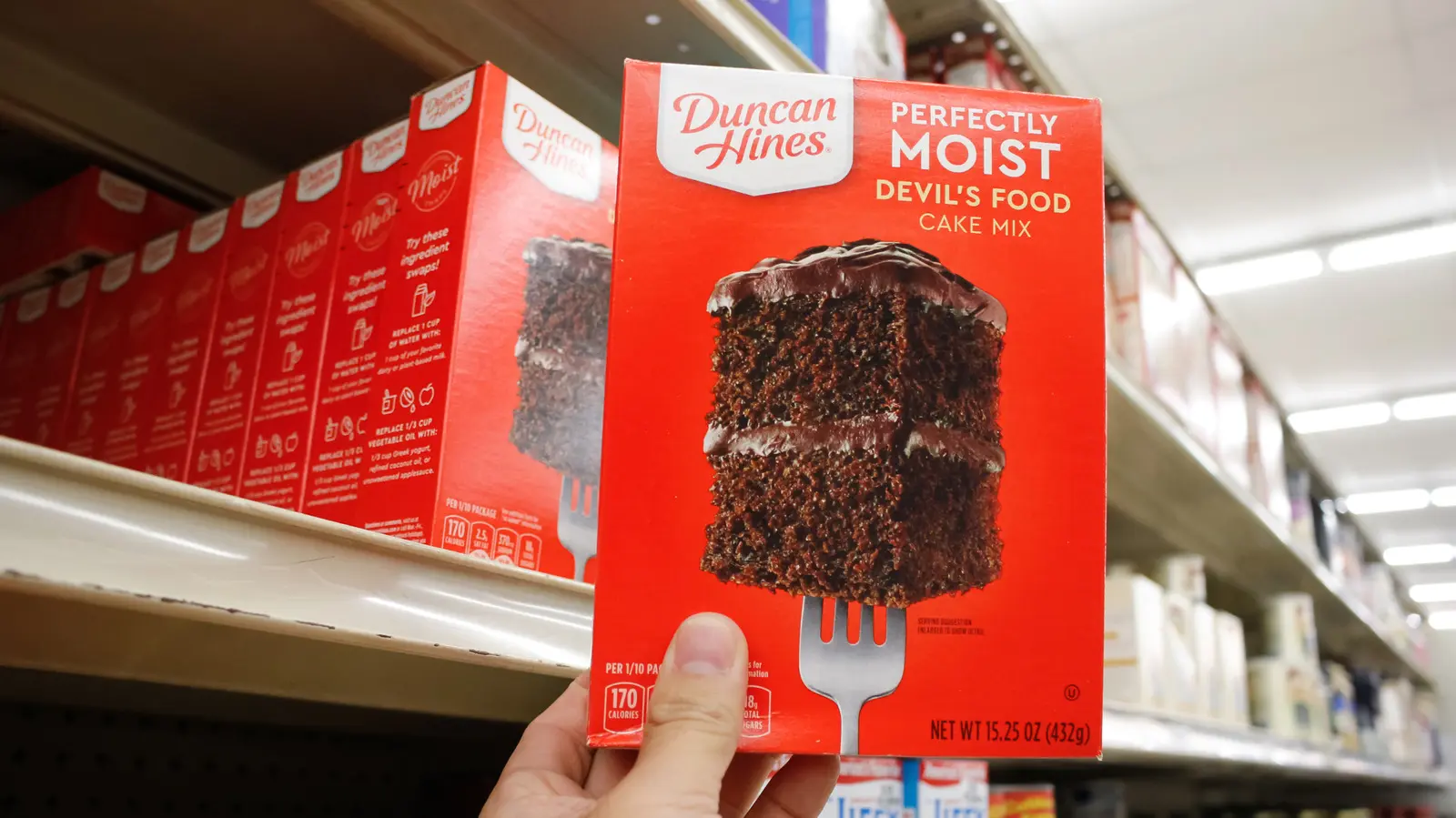
The Company Behind Duncan Hines' Famous Cake Mix
The brand, now a staple in home baking
Duncan Hines, a name synonymous with boxed cake mixes found in grocery stores nationwide, was a real person who gained fame not for baking but for his restaurant recommendations. Born in the late 19th century, Hines became a trusted voice in American dining during the mid-1900s through his widely read guides that rated eateries across the country. Despite his influence on food culture, he was reportedly not skilled in the kitchen himself, with accounts suggesting he struggled as a cook. His legacy, however, took an unexpected turn after his death when his name was licensed to a food company that began producing cake mixes bearing his label.
Latest news
 The Ultimate Homemade Chili Recipe for Cold Weather
 The Nutritional Power of Pumpkin Beyond Seasonal Desserts
 A Culinary Journey Through the 30th Epcot International Food and Wine Festival
 Burger King Unleashes Hello Kitty Kids' Meal with Ultra-Rare Golden Collectible
The brand, now a staple in home baking, traces its roots to this unusual partnership between a culinary critic and a packaged goods manufacturer. How a Restaurant Critic Became a Baking Icon Although Duncan Hines never intended to be associated with baked goods, his reputation for identifying quality restaurants made his name valuable to food marketers. After his passing in 1959, the rights to his name were acquired by Nebraskan businessman Roy Park, who partnered with the company that would eventually become part of Pinnacle Foods. The first Duncan Hines cake mix launched in the early 1960s, offering consumers a convenient way to bake at home with consistent results. Marketing emphasized Hines’ expertise in discerning quality, transferring his credibility from restaurant reviews to packaged desserts. Over time, the product line expanded to include brownies, cookies, and frostings, solidifying its place in American pantries.
The brand’s success relied on leveraging Hines’ trusted image, even though he had little direct involvement in the actual recipes or baking process. What Made the Duncan Hines Name So Marketable? The enduring appeal of the Duncan Hines brand stems from the perception of reliability and taste that Hines cultivated through his decades of restaurant evaluations. Consumers associated his name with high standards, a perception that translated well to packaged goods where consistency and flavor were key selling points. Unlike celebrity endorsements based on personal involvement, Hines’ legacy worked because it represented an impartial seal of approval. His guides, which once helped travelers find dependable meals, evolved into a symbol of dependable baking outcomes. This transfer of trust allowed the product to thrive despite the founder’s lack of culinary skill in the very area the brand now represents.
The disconnect between Hines’ actual abilities and his brand’s identity remains a notable quirk in food marketing history. Frequently Asked Questions Was Duncan Hines actually a baker or chef? No, Duncan Hines was not a baker or chef by trade. He worked as a traveling salesman and later became known for his restaurant guides, but he was reportedly not skilled in cooking or baking himself. Who owns the Duncan Hines brand today? The Duncan Hines brand is currently owned by Conagra Brands, which acquired it through its purchase of Pinnacle Foods in 2018. Conagra continues to produce and market the cake mixes and related baking products under the Duncan Hines name. Why was Duncan Hines’ name chosen for a cake mix if he wasn’t a baker? His name was chosen because of his established reputation for identifying quality in food and dining.
Marketers believed his association with discerning taste and reliability would reassure consumers about the product’s quality, even without his direct involvement in recipe development.
Content written by [email protected] (Jaimie Mackey) for fancy-meals.com editorial team, AI-assisted.