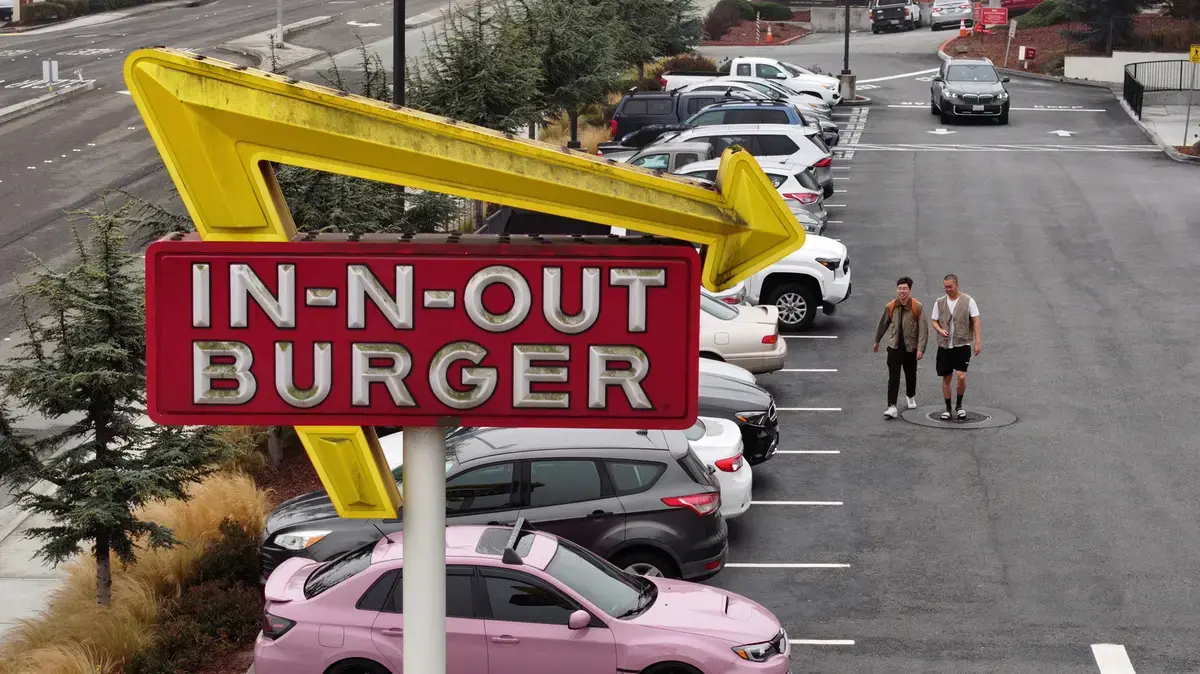
Secrets First-Time Visitors Should Know at In-N-Out
The Language of the Drive-Thru
In-N-Out Burger, a beloved fast-food chain across the western United States, has long operated with unspoken customs known mainly to regulars. From secret menu items to ordering etiquette, new customers often miss the subtle cues that keep lines moving and meals perfect. These traditions, passed down through years of loyal fan culture, shape the experience as much as the food itself.
Latest news
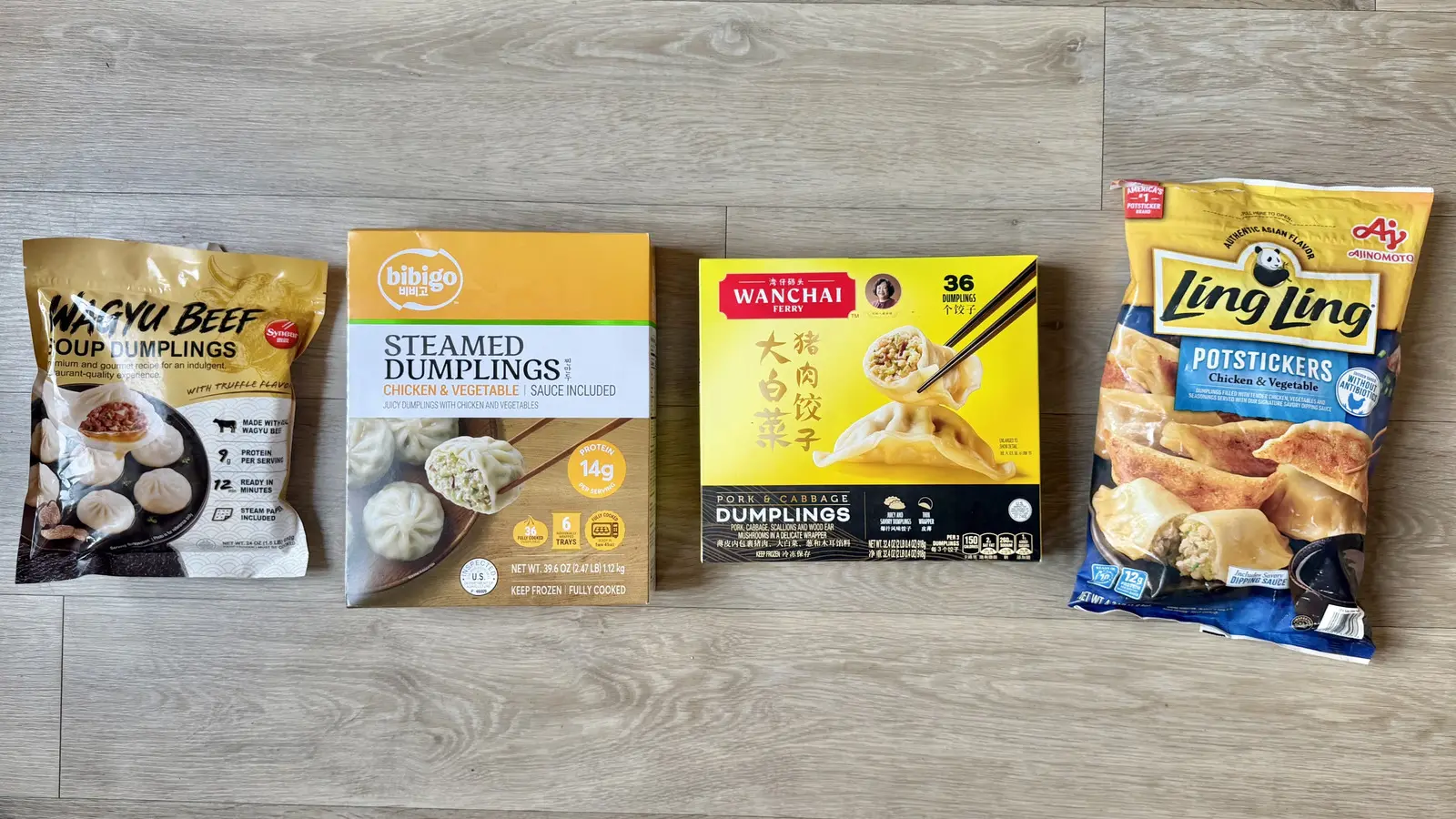 Costco's Frozen Dumpling Lineup, Ranked From Least To Most Tasty
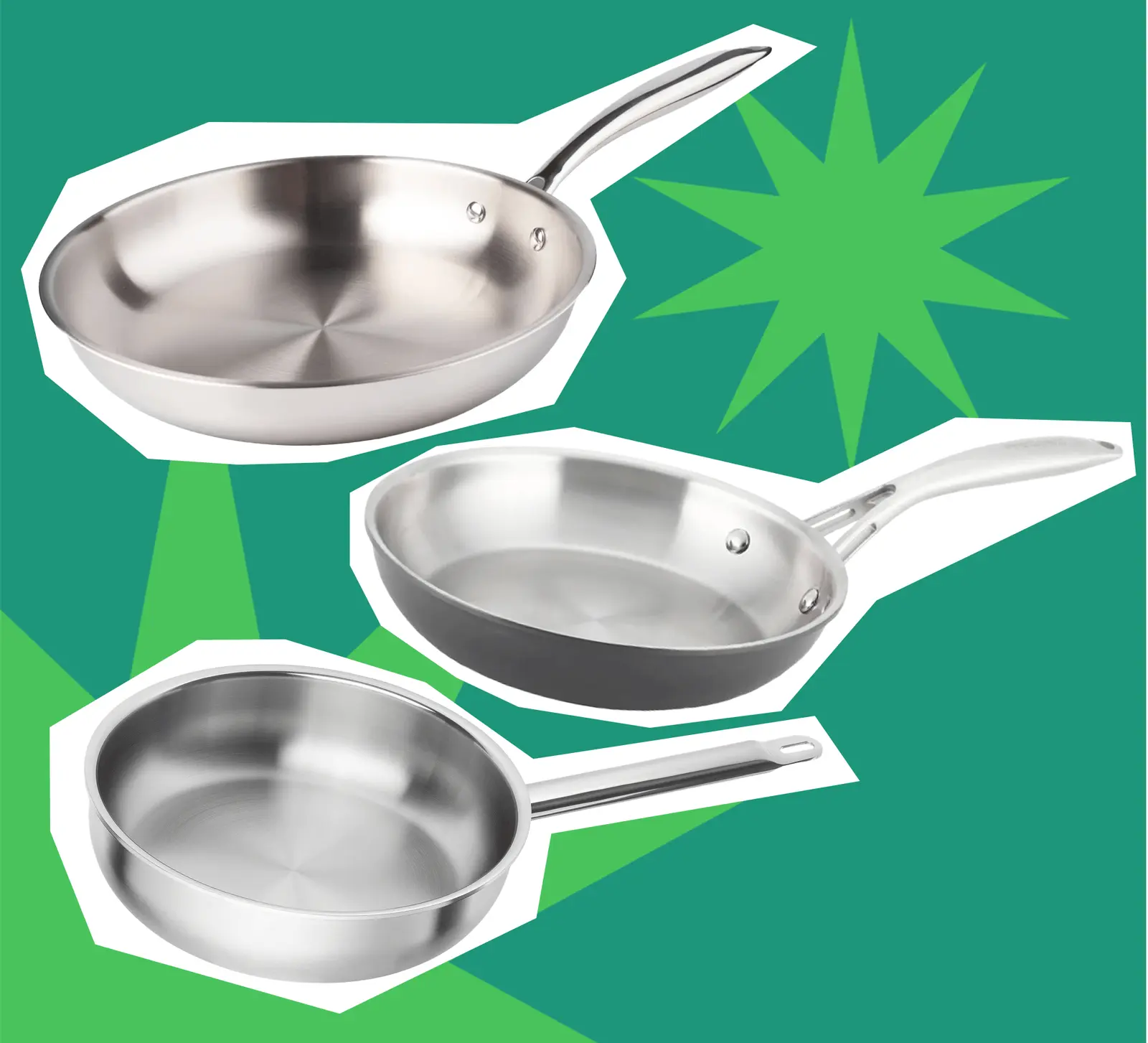 Best stainless-steel frying pans 2026: expert-tested picks for searing, eggs and daily cooking
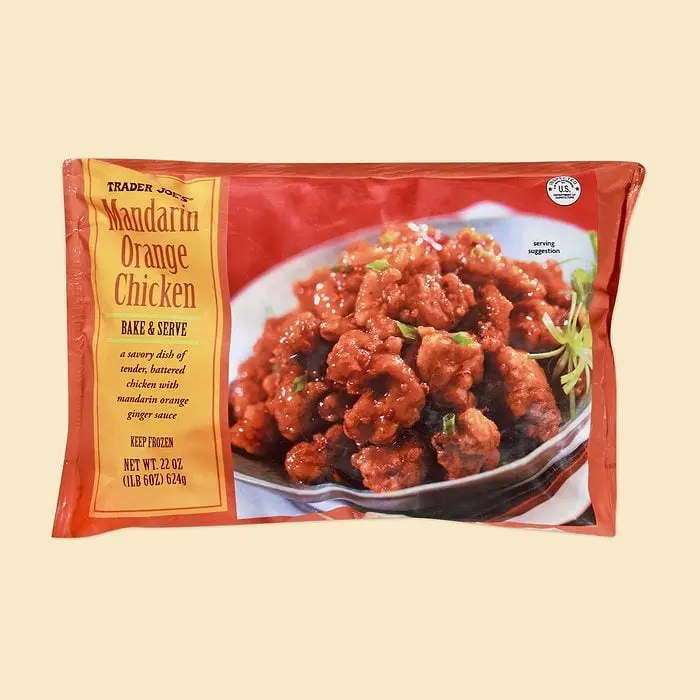 Trader Joe’s First‑Time Shopper Guide: Must‑Try Items
 Panda Express vs P.F. Chang's: Which Orange Chicken Is Healthier?
Founded in 1948 and based in California, In-N-Out has expanded slowly, maintaining tight control over quality and service. Its minimalist menu—hamburgers, cheeseburgers, fries, shakes—belies a complex system of coded language. Customers who order a „Double-Double, Animal Style” aren’t just naming ingredients; they’re speaking a dialect born in drive-thrus. Animal Style means grilled onions, special sauce, and pickles, a preparation so iconic it draws fans nationwide.
Employees, called „associates,” train extensively to understand rapid-fire orders filled with shorthand. A „Flying Dutchman” skips the bun entirely. A „3x3” means three patties and three slices of cheese. These terms don’t appear on any menu board, yet they account for a significant portion of sales.
Regulars often develop loyalty through repetition. One customer waited 14 hours for a new Nevada location to open, according to reports. „You learn the rhythm after a few visits,” said a San Diego frequent diner. „Ordering right shows respect—for the crew and the process.”
Why Do So Many Wait in Line for So Long?
The chain’s no-franchise model ensures consistency. Every patty is fresh, never frozen. Ingredients arrive multiple times per week. This reliability fuels confidence in the system, encouraging customers to experiment within the hidden framework.
Lines stretching past the parking lot are common, especially at new openings. The wait isn’t just about burgers—it’s about belonging to a regional tradition. In-N-Out remains absent from much of the East Coast, making visits for travelers feel like culinary pilgrimages.
Social media has amplified the mystique. TikTok videos decoding the menu rack up millions of views. Yet, the company avoids digital ads and online ordering, preserving an analog experience. This deliberate choice reinforces the sense of authenticity patrons value.
Still, long waits test patience. Staff work under pressure during peak hours, and miscommunications happen. Knowing the lingo helps avoid delays. A clear, correct order speeds service for everyone.
Frequently Asked Questions
Looking ahead, expansion remains slow. New locations spark celebration—and scrutiny. As more people discover the chain, preserving its culture becomes a challenge. The unwritten rules may evolve, but for now, they remain a quiet pact between customer and counter.
What does „Animal Style” mean on the In-N-Out menu? It refers to grilled onions, special sauce, lettuce, tomato, and pickles on a burger. The style originated in the 1960s and is now one of the most popular customizations.
Is there a secret menu at In-N-Out? Yes, though not officially published. Items like the „Protein Style” (wrapped in lettuce) and „Grilled Cheese” (extra cheese, no meat) are standard requests staff recognize nationwide.
Why doesn’t In-N-Out have locations on the East Coast? The company prioritizes proximity to its California distribution network to ensure fresh ingredients. Expanding too far would compromise its supply chain standards.
Content written by Lucas Carter for fancy-meals.com editorial team, AI-assisted.