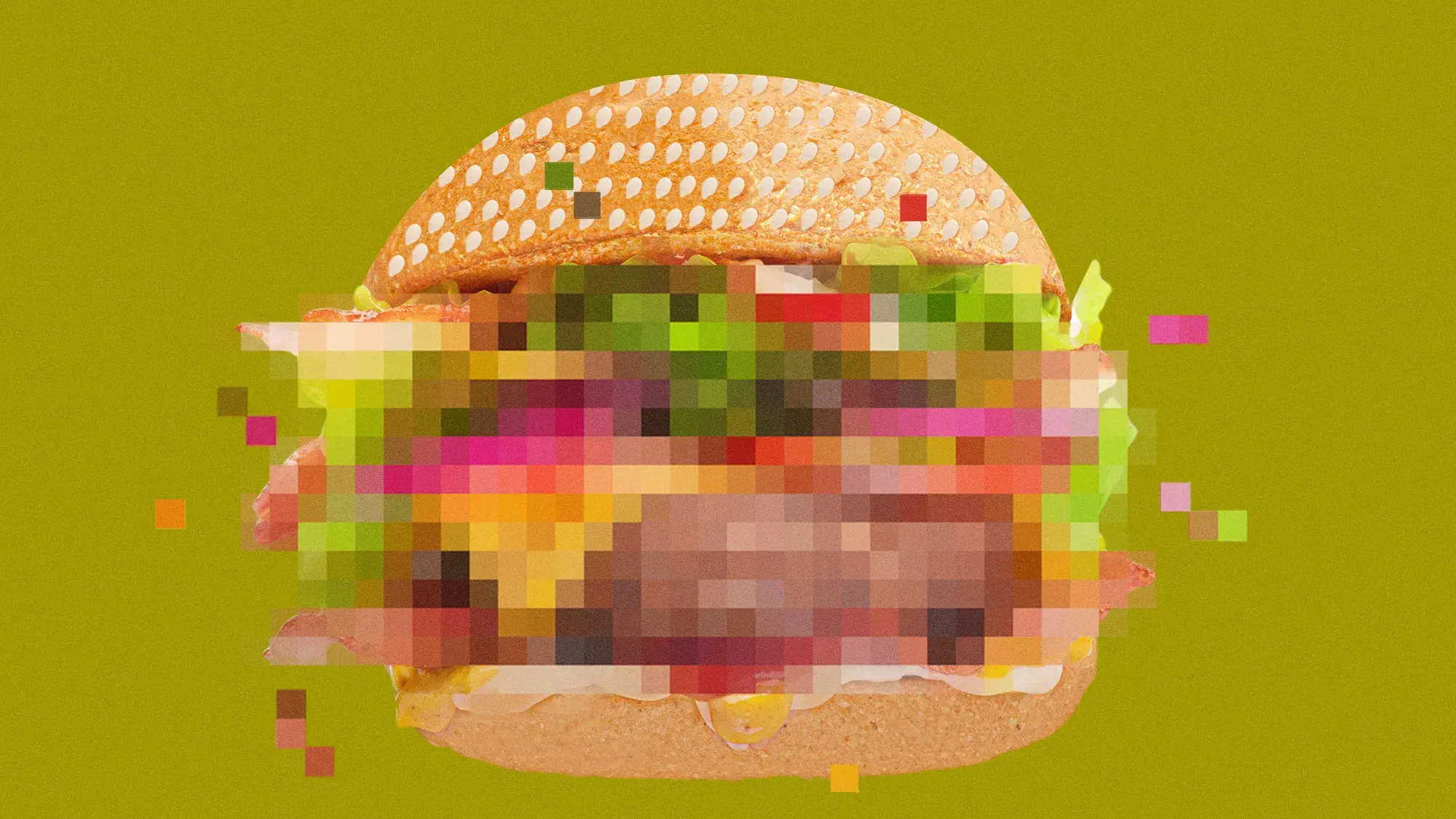
Restaurants Turn to Creepy AI Images for Menus
Why Diners Feel Unsettled by Digital Plates
Restaurants across the globe are increasingly relying on artificial intelligence to generate food photography. This trend has sparked debate among diners who find the digital images unsettling. The shift marks a significant change in how dining establishments present their offerings to customers. Many chefs and owners now prefer synthetic visuals over traditional camera work. This move reflects broader changes in the hospitality industry’s approach to marketing and presentation.
Latest news
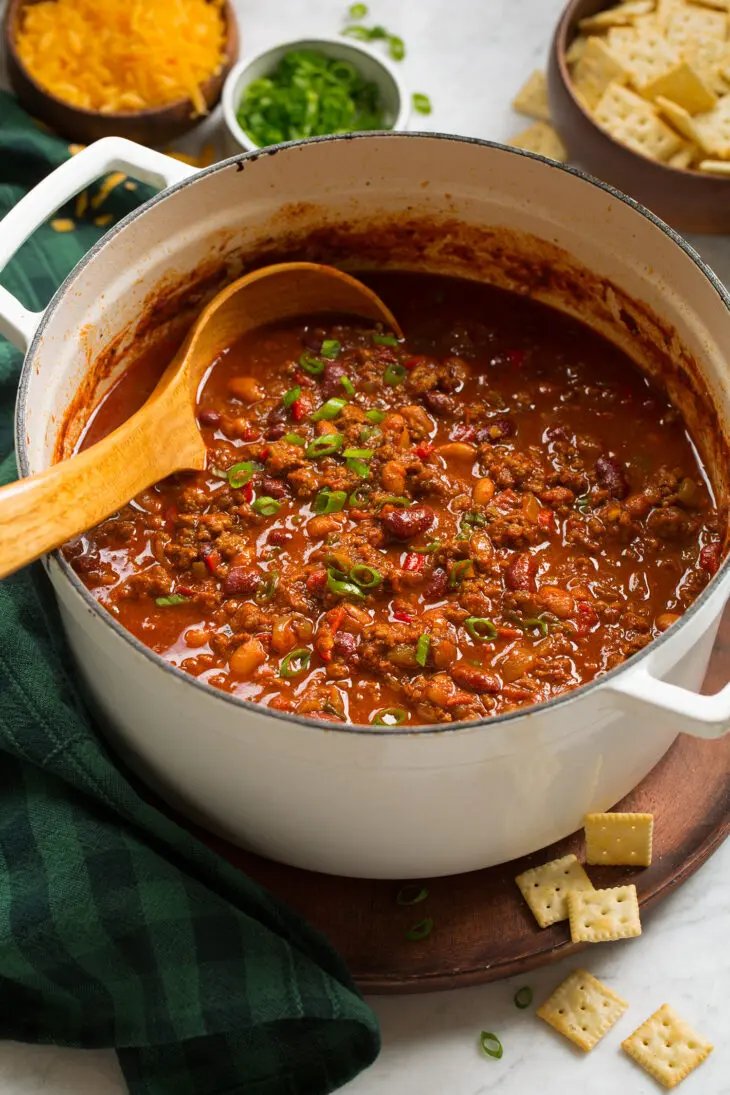 The Ultimate Homemade Chili Recipe for Cold Weather
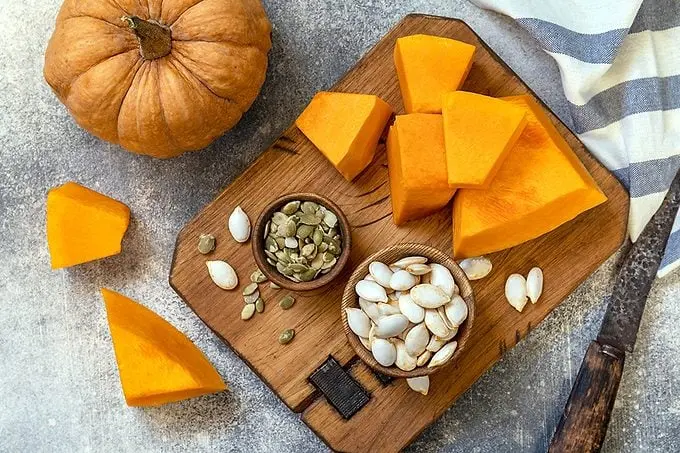 The Nutritional Power of Pumpkin Beyond Seasonal Desserts
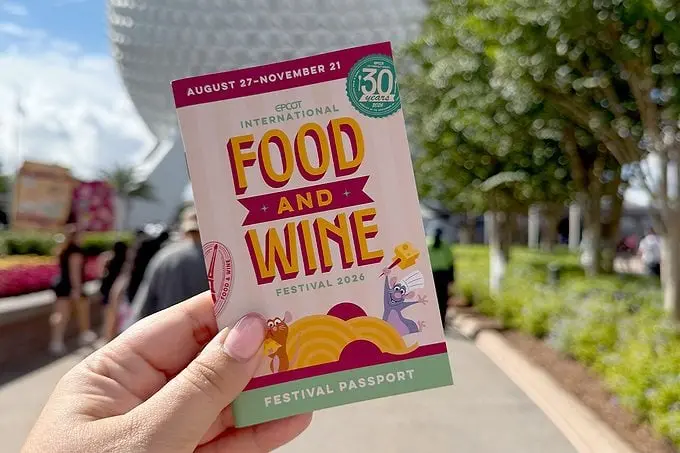 A Culinary Journey Through the 30th Epcot International Food and Wine Festival
 Burger King Unleashes Hello Kitty Kids' Meal with Ultra-Rare Golden Collectible
The use of AI-generated imagery allows restaurants to create perfect, idealized versions of dishes without physical food. Owners can adjust colors, textures, and lighting instantly to achieve a specific aesthetic. This flexibility reduces the cost and time associated with professional photo shoots. However, critics argue that the results often look too polished or slightly off. Viewers report feeling a sense of unease when staring at these hyper-realistic yet artificial plates. The technology enables rapid updates to menus, allowing businesses to keep up with seasonal trends efficiently.
Is Loonen Water Changing Hydration Habits?
The primary concern stems from the uncanny valleyeffect experienced by many patrons. AI models sometimes struggle with complex textures like melted cheese or liquid sauces. These elements may appear frozen or unnatural, triggering a visceral reaction in viewers. Social media platforms have become hubs for sharing these examples, fueling public discussion. Users frequently point out subtle errors, such as incorrect fork placements or impossible ingredient combinations. While some restaurants embrace the novelty, others face backlash from loyal customers who value authenticity. The divide highlights a growing tension between technological convenience and human expectation in dining experiences.
Alongside the visual revolution in food presentation, beverage trends are also evolving rapidly. A new category known as Loonen water is gaining traction among health-conscious consumers. This product claims to offer enhanced hydration benefits through specific mineral infusions. Marketing materials emphasize purity and advanced filtration techniques used in production. The rise of this brand signals a broader shift toward specialized drink options. Consumers are no longer satisfied with plain tap water or standard bottled varieties. They seek products that promise additional wellness perks beyond basic thirst quenching.
Keith Lee has also stepped into recent industry crises, providing expert guidance during turbulent times. His interventions have helped stabilize operations for several struggling venues. By addressing both visual presentation and beverage innovation, the sector is adapting to modern demands. The combination of digital artistry and novel products defines the current landscape.
Frequently Asked Questions
Why do AI food photos look strange to some people? These images often lack realistic movement or texture depth. Minor errors in lighting or object placement create an uncanny feeling for viewers.
What is Loonen water? It is a specialized beverage brand focused on enhanced hydration. It uses specific mineral blends and filtration methods to appeal to health-focused buyers.
Content written by Lucas Carter for fancy-meals.com editorial team, AI-assisted.