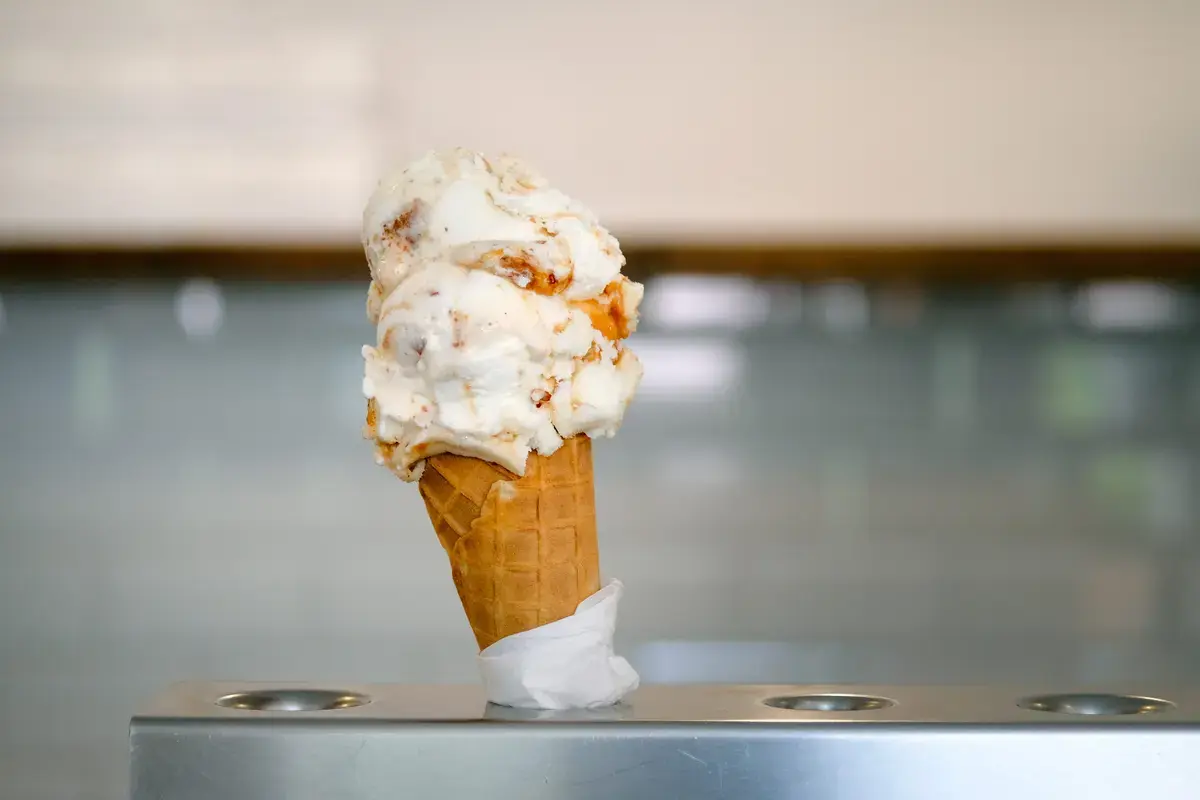
Real Ice Cream Still Makes the Cut at Four Major Fast‑Food Chains
Classic Creamy Treats at Four Chains
A new consumer report released in June 2026 reveals that four large fast‑food franchises continue to serve desserts made with genuine ice cream, not the powdered mixes common in the industry. The findings come from a survey of menu ingredients across the United States, focusing on chains with nationwide locations.
Latest news
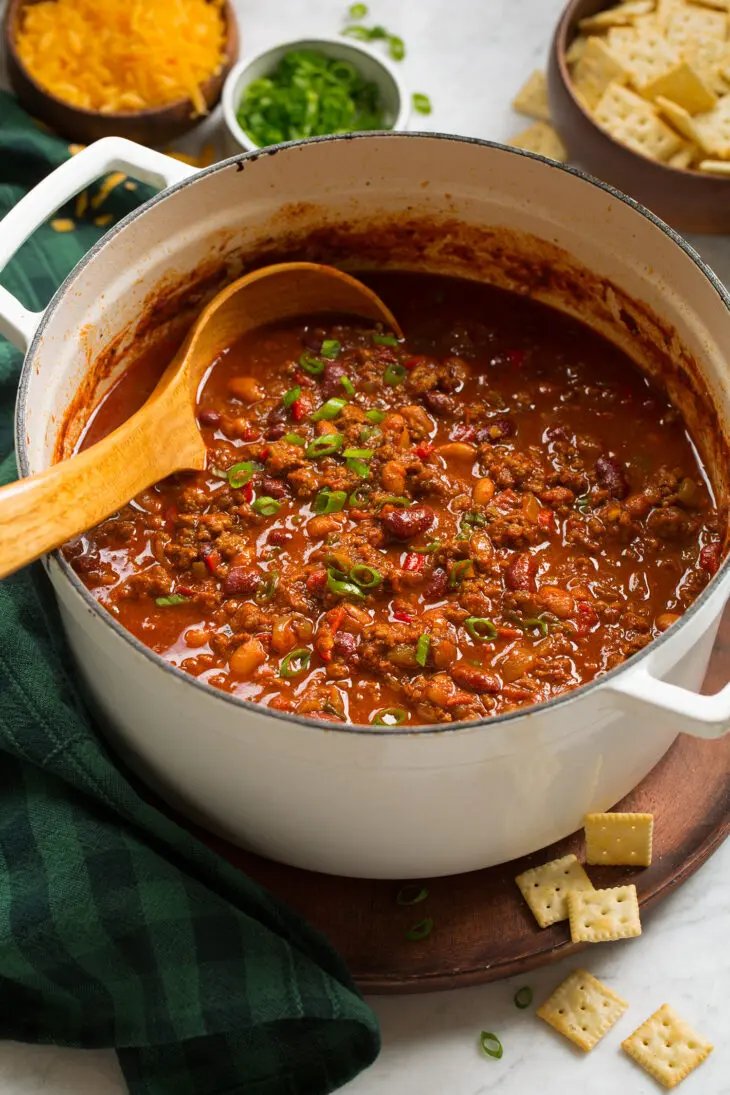 The Ultimate Homemade Chili Recipe for Cold Weather
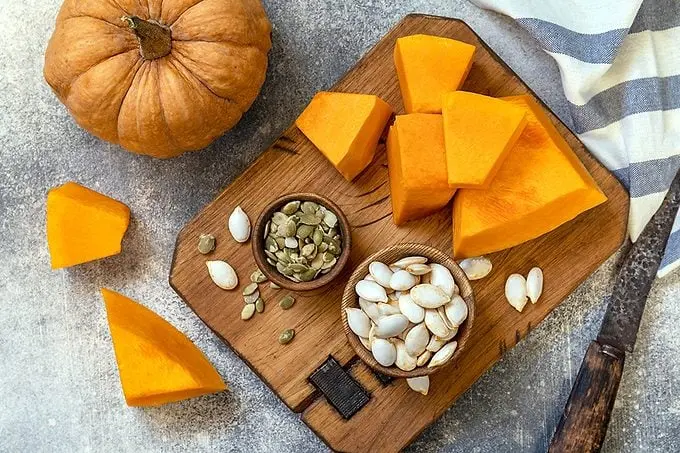 The Nutritional Power of Pumpkin Beyond Seasonal Desserts
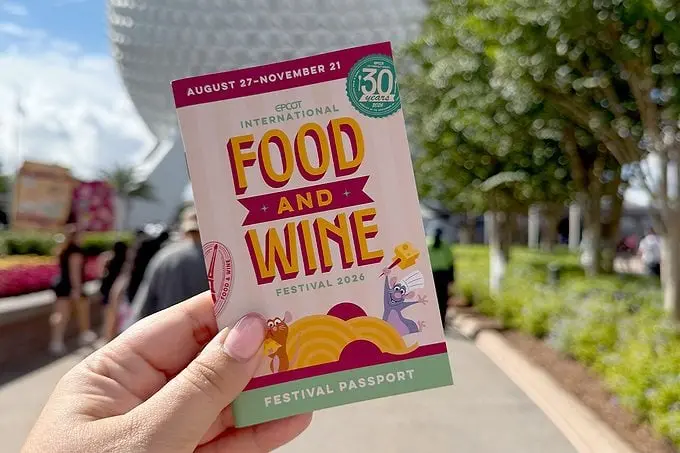 A Culinary Journey Through the 30th Epcot International Food and Wine Festival
 Burger King Unleashes Hello Kitty Kids' Meal with Ultra-Rare Golden Collectible
The study shows that despite a market trend toward cheaper, shelf‑stable desserts, these chains prioritize flavor and texture by sourcing real dairy. Analysts say the decision reflects both brand heritage and growing consumer demand for authentic products. The report also highlights how supply‑chain logistics and cost considerations influence dessert formulations in the fast‑food sector.
McDonald’s still offers its iconic vanilla soft‑serve, made from real ice cream base, in its McFlurry and sundae lines. The company’s spokesperson explained that the product uses a patented blend of pasteurized milk and cream to meet strict quality standards. Wendy’s follows a similar approach, serving real‑ice‑cream cones and sundaes that contain at least 5 % milk fat, a figure higher than many competitors. Chick‑fil-A’s seasonal peach milkshake also relies on a real‑ice‑cream recipe, citing „freshness and flavor consistency” as key drivers. Finally, Dairy Queen, long known for its Blizzard desserts, continues to use a full‑cream ice cream mix, reinforcing its brand promise of „real‑ice‑cream indulgence.” Together, these chains account for roughly 12 % of the fast‑food dessert market, according to the report.
Why Do Some Fast‑Food Brands Still Use Powdered Mixes?
Many smaller chains and some global brands still opt for powdered dessert mixes because they reduce shipping weight and extend shelf life. A food‑service consultant noted that powdered mixes can be stored at room temperature, cutting refrigeration costs and simplifying inventory management. The lower ingredient cost also allows restaurants to price desserts competitively, especially in price‑sensitive markets. However, the trade‑off often results in a thinner texture and less authentic flavor, which can alienate customers seeking a premium experience. As consumer expectations evolve, the cost advantage of powdered mixes may diminish, prompting more brands to reconsider their dessert formulas.
The shift toward real ice cream could reshape menu strategies across the industry. Chains that maintain authentic desserts may attract a broader demographic of quality‑focused diners, while those relying on powdered mixes risk losing market share to competitors emphasizing genuine ingredients. Industry watchers predict that the next wave of fast‑food innovation will blend cost efficiency with premium taste, potentially leading to hybrid solutions that preserve flavor without inflating prices.
Frequently Asked Questions
Do all locations of the four chains use real ice cream? Most U. S. outlets follow the same recipe, but occasional regional variations may exist due to local supply constraints.
How much more does a real‑ice‑cream dessert cost the consumer? Typically, the price difference is under $0.30 per item, a margin often absorbed by the chain’s marketing budget.
Will other fast‑food chains switch to real ice cream soon? Analysts expect a gradual transition, especially among brands targeting upscale demographics, but widespread adoption will depend on supply‑chain stability and consumer demand.
Content written by Isabelle Fontaine for fancy-meals.com editorial team, AI-assisted.