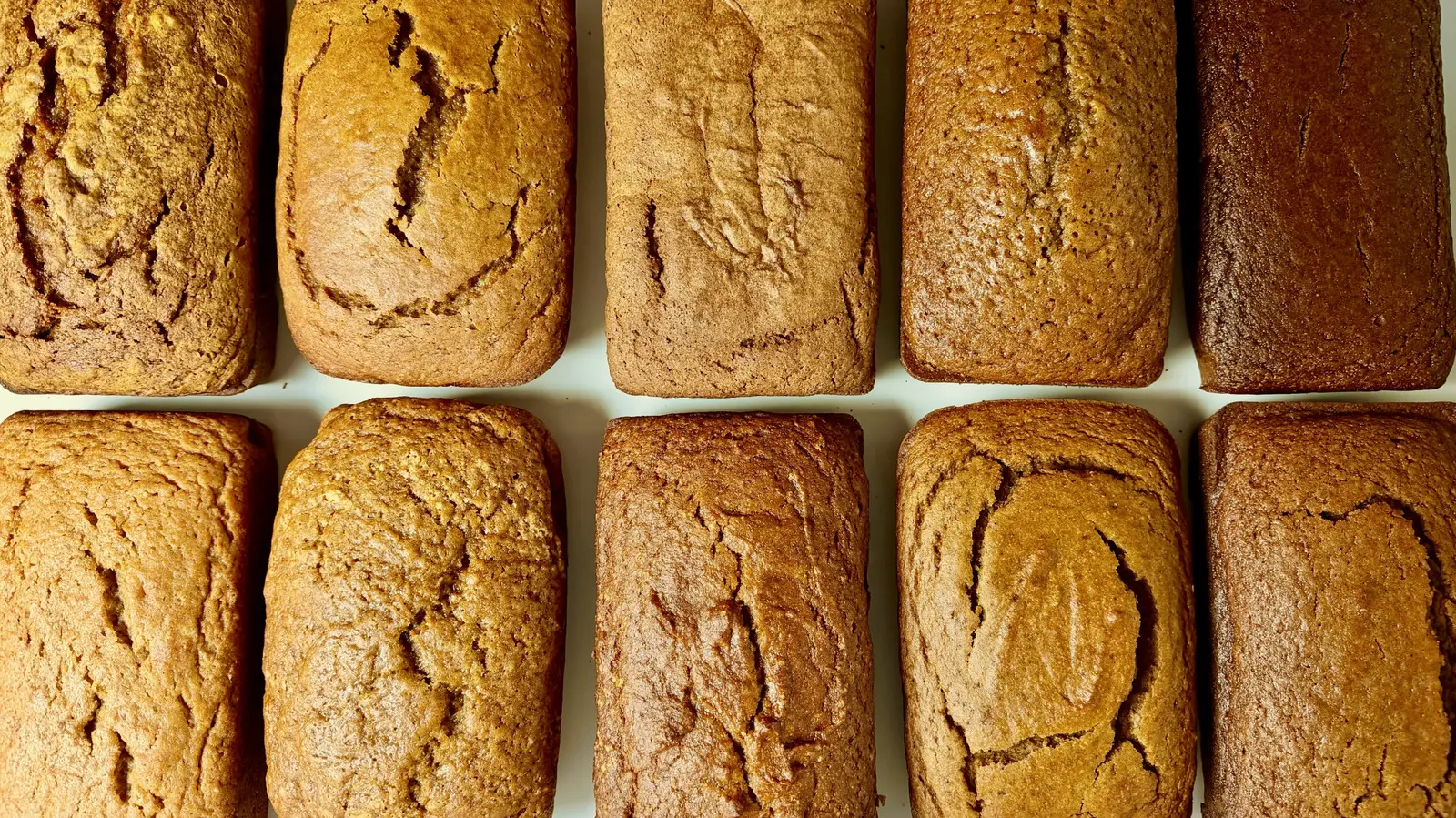
Pumpkin Bread Mixes: From Worst to Best in the Grocery Aisle
Ingredient Transparency and Flavor Balance
In October, a team of food reviewers set out to evaluate ten pre‑made pumpkin bread mixes available in supermarkets. They tested each product for flavor, texture, ingredient quality, and overall experience, then ranked them from least to most satisfying. The results reveal surprising insights about convenience baking and ingredient transparency.
Latest news
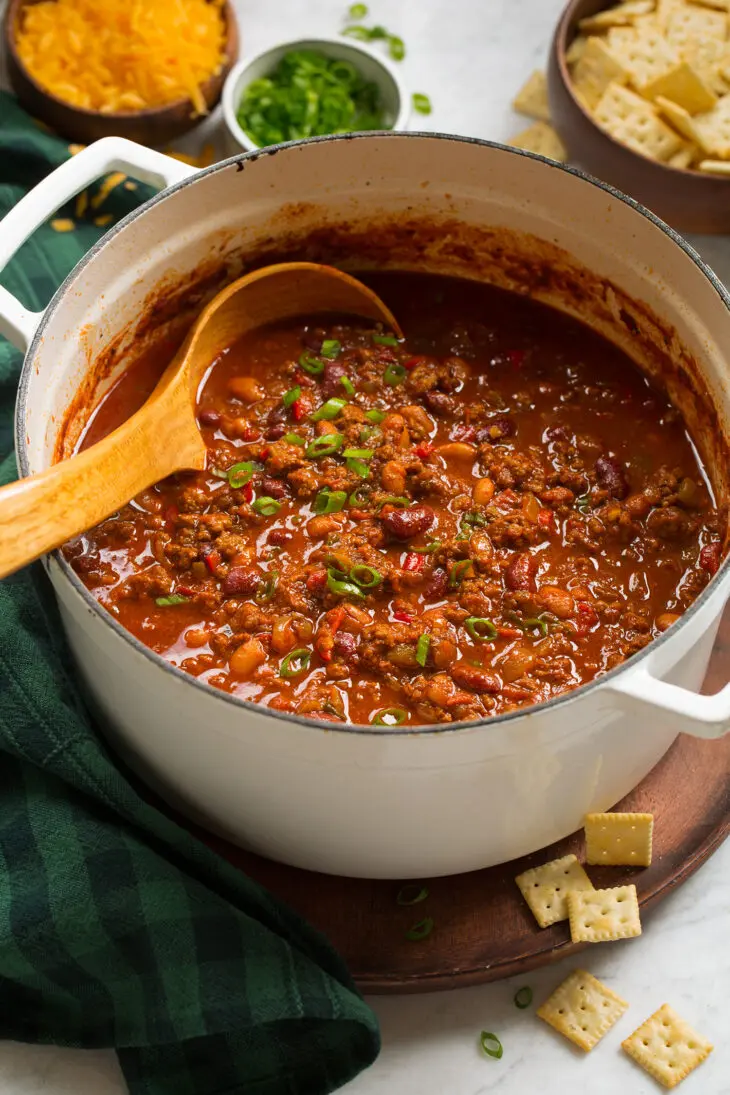 The Ultimate Homemade Chili Recipe for Cold Weather
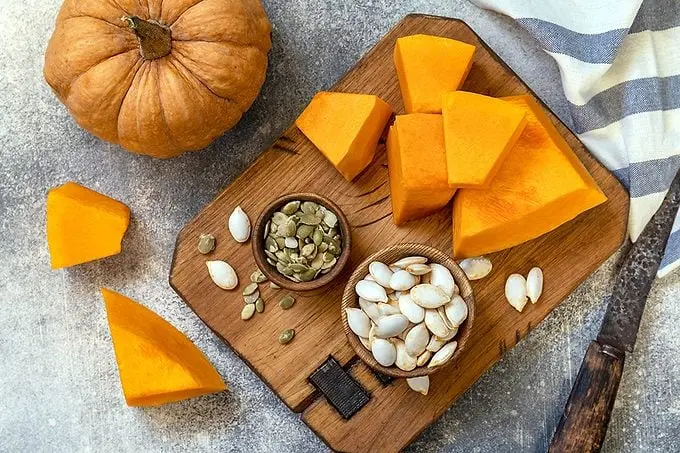 The Nutritional Power of Pumpkin Beyond Seasonal Desserts
 A Culinary Journey Through the 30th Epcot International Food and Wine Festival
 Burger King Unleashes Hello Kitty Kids' Meal with Ultra-Rare Golden Collectible
The study was conducted over a two‑week period in a controlled kitchen. Reviewers mixed each product according to the package instructions, baked at the same temperature, and sampled the breads within 24 hours. They recorded taste notes, crumb structure, moisture level, and any aftertastes. The team’s final ranking placed the lowest‑scoring mix at the bottom and the most delicious at the top.
One key factor that differentiated the top performers was the clarity of ingredient lists. The best mixes used simple, recognizable components: whole‑grain flour, natural sweeteners, and real pumpkin puree. Several lower‑ranked mixes contained artificial flavors, high‑fructose corn syrup, and multiple preservatives, which contributed to a flat, overly sweet taste.
Convenience Versus Authenticity
The reviewers noted that the highest‑rated mix offered a subtle spice profile, with cinnamon, nutmeg, and a hint of clove. The texture was moist yet firm, allowing the bread to hold its shape when sliced. In contrast, the lowest‑scoring mix had a dense crumb and a noticeable chemical aftertaste that lingered on the palate.
Consumers often choose pre‑made mixes for their ease of use, but the study shows that convenience can come at a cost. The top mix required only a few extra ingredients—milk, eggs, and a pinch of salt—yet delivered a bakery‑style result. The bottom mix, while marketed as „quick and easy,” demanded the addition of a large amount of sugar and artificial vanilla, producing a sweet, syrupy loaf that lacked depth.
The reviewers also tested the time and effort involved in each mix. All mixes were ready in under 30 minutes, but the best ones had a smoother mixing process, with no clumping or excessive stirring. The worst mix produced a gritty batter that required extra whisking, which could deter novice bakers.
Consumer Impact and Market Trends
The findings suggest that shoppers who prioritize flavor and ingredient quality may be willing to pay a modest premium for higher‑rated mixes. Retailers could use this data to adjust shelf placement or marketing messages, emphasizing natural ingredients and authentic taste.
The study also highlights a broader trend: a growing demand for clean‑label products. As consumers become more health‑conscious, they increasingly scrutinize ingredient lists. The top‑ranked mixes align with this shift, offering fewer additives and more wholesome components.
Frequently Asked Questions
What makes the top pumpkin bread mix stand out? Its simple, natural ingredients, balanced spice profile, and moist yet firm crumb give it a bakery‑like quality that rivals fresh bread.
Do the lower‑scoring mixes lack nutritional value? Many contain added sugars, artificial flavors, and preservatives, which can diminish nutritional benefits and contribute to a less satisfying taste.
Can I substitute ingredients in any mix? Yes, but altering the mix may affect texture and flavor. For best results, use the ingredients listed on the package and follow the recommended baking times.
Content written by [email protected] (Nikki Cervone) for fancy-meals.com editorial team, AI-assisted.