Our Best Thanksgiving Yet: A Feast of Bold Flavors
The Secret Behind the Squash’s Crunch
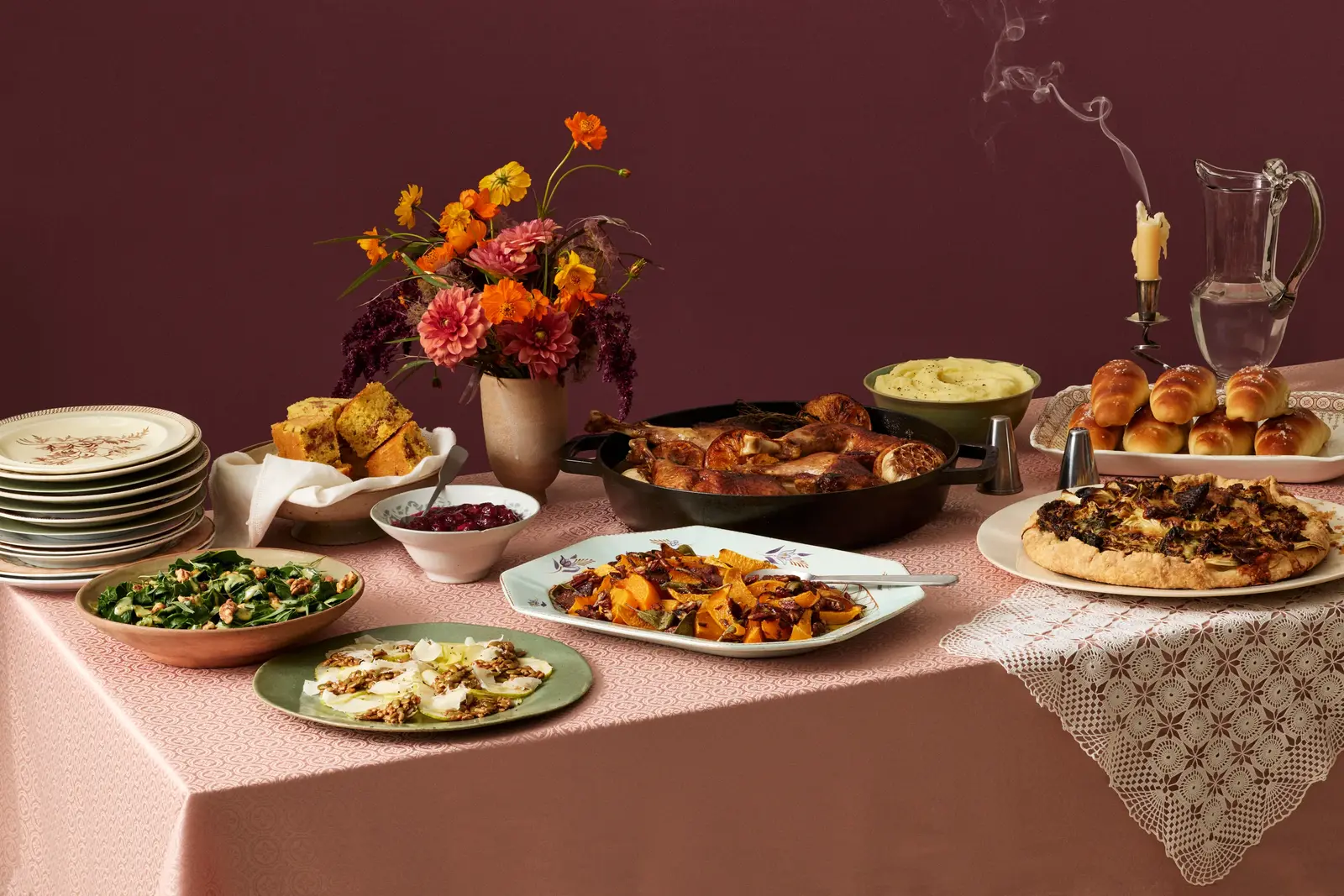
The holiday kitchen at Bon Appétit’s headquarters buzzed this Thursday as chefs unveiled a new Thanksgiving menu. After a decade of annual celebrations, the team introduced a standout dish: market‑fresh squash glazed with brown butter, toasted pecans, sage, and crisp bacon. The spread also featured gravy‑braised turkey, vibrant collard greens, and a richly dressed cornbread, promising the most memorable feast yet.
Latest news
 Anthony Bourdain’s Most Unforgettable Meals on „No Reservations”
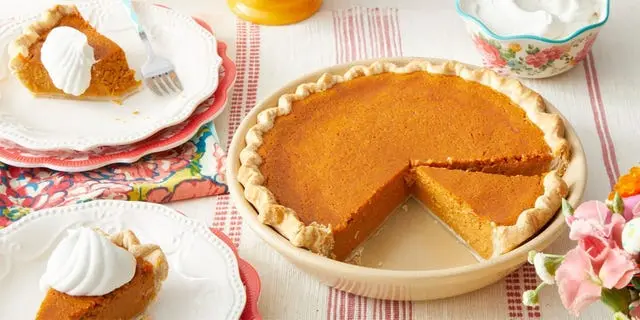 Mastering the Art of Perfect Pie Baking
 Chocolate Peppermint Whoopie Pies: Holiday Treats Made Easy With Boxed Mix
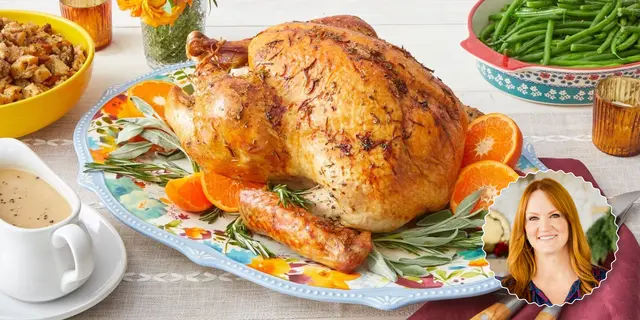 Ree Drummond Shares 10 Tips for the Perfect Thanksgiving Turkey
The new menu emerged from a month‑long tasting tour of local farms, where chefs sought the brightest collards and the most flavorful squash. By pairing the natural sweetness of the vegetables with the nutty depth of brown butter and the savory crunch of bacon, they aimed to elevate classic comfort foods. „We wanted each bite to surprise and satisfy,” said Chris Morroccan, the lead culinary director, who has overseen ten consecutive Bon Appétit Thanksgiving celebrations. The dishes were tested in the test kitchen before being plated for the staff dinner, where the response was unanimous: the flavors hit a perfect balance of richness and freshness.
The star of the table, a golden‑hued squash sourced from a nearby farmer’s market, received a quick sear in clarified butter until caramelized. Once out of the pan, it was tossed with toasted pecans, freshly chopped sage, and a generous sprinkle of crumbled bacon. The brown butter adds a toasty, nutty aroma that complements the earthiness of the squash, while the bacon contributes a smoky, salty finish. „The contrast of textures—soft squash, crunchy nuts, and crisp bacon—creates a mouthfeel that keeps diners coming back for more,” Morroccan explained. The dish also showcases a simple technique: finishing the squash with a drizzle of the butter‑nut mixture just before serving, preserving its heat and flavor.
Why Are Bright Collards the New Thanksgiving Staple?
Collard greens have long been a Thanksgiving tradition, but this year’s version shines brighter than ever. Harvested at peak maturity, the leaves were blanched briefly, then sautéed with garlic, a splash of apple cider vinegar, and a hint of smoked paprika. The result is a vibrant, slightly tangy side that cuts through the richness of the turkey and gravy. Nutritionists note that collards are packed with vitamins K and A, making them a wholesome addition to the holiday spread. „We wanted a vegetable that could stand up to the heavy proteins on the plate, and these collards do just that,” said the sous‑chef who oversaw the vegetable station.
The Thanksgiving menu’s success signals a shift toward more adventurous, farm‑to‑table dishes in mainstream holiday cooking. Guests left the dinner feeling both satisfied and inspired to try the recipes at home, suggesting that future Bon Appétit celebrations will continue to push culinary boundaries while honoring tradition.
Frequently Asked Questions
What type of squash works best for the brown‑butter recipe? A firm, sweet variety such as butternut or kabocha holds up well to searing and absorbs the butter‑nut mixture without becoming mushy.
Can the bacon be substituted for a vegetarian option? Yes, smoked tempeh or crispy fried sage leaves can provide a similar smoky crunch for those avoiding pork.
How long should the collard greens be cooked to retain their bright color? A quick blanch of 2–3 minutes followed by a brief sauté keeps the leaves vivid and tender without overcooking.