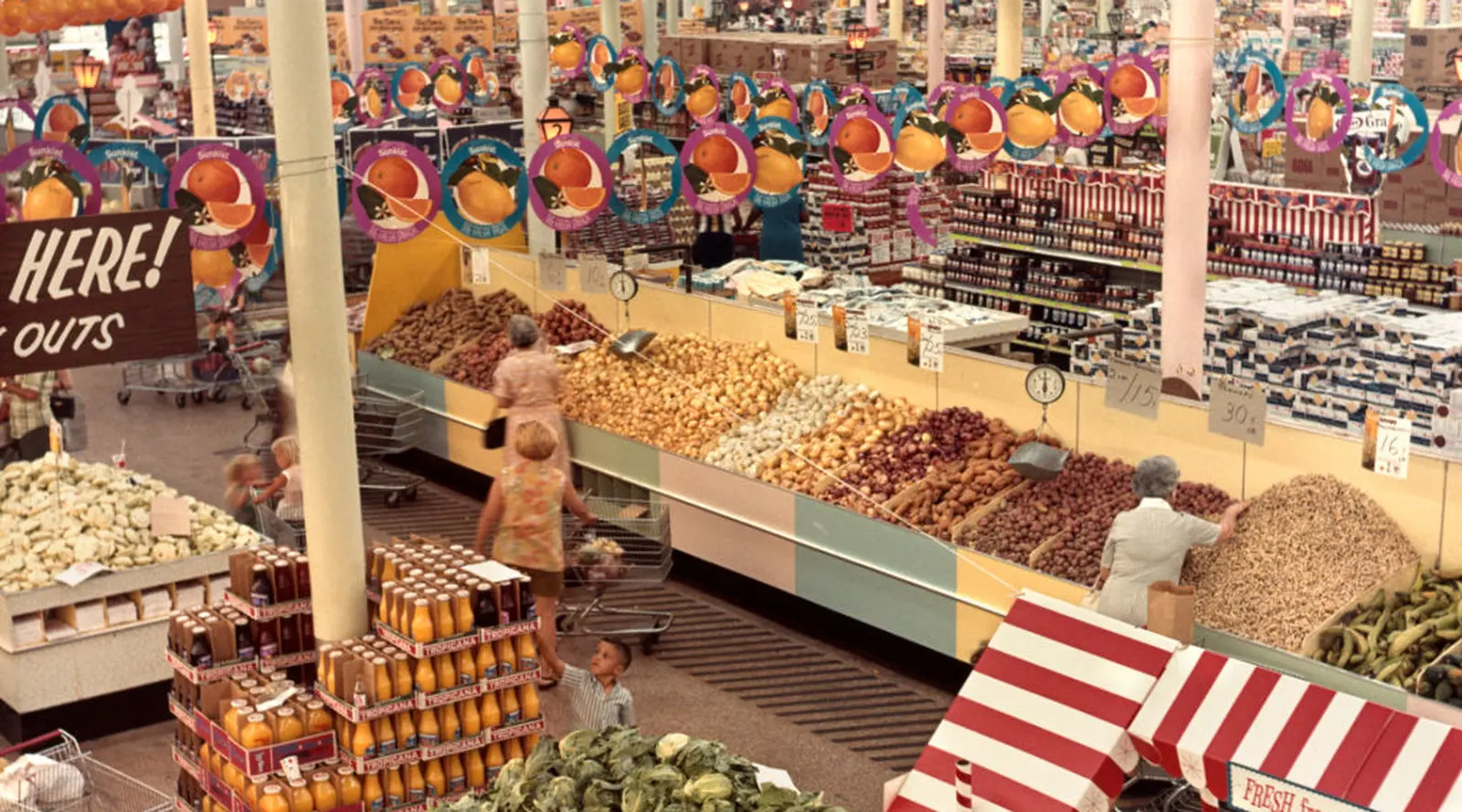
Older generations are questioning the flavor of modern produce
The Science Behind the Flavor Shift
Many boomers insist that fresh fruit and vegetables simply do not taste as good as they did in their youth. This sentiment has sparked widespread online discussion about the changing quality of supermarket produce.
Latest news
 Mastering the Art of Perfect Pie Baking
 Chocolate Peppermint Whoopie Pies: Holiday Treats Made Easy With Boxed Mix
 Ree Drummond Shares 10 Tips for the Perfect Thanksgiving Turkey
 Michigan-Style Burgers: The Creamy Spread That Changes Everything
The complaint is not just about memory. The globalized supply chain that matured in the 1960s and 1970s prioritized transportability over taste. Farmers began selecting for hardy, long-lasting varieties that survive long-distance shipping.
Botanists confirm that selective breeding has altered the chemical composition of crops. Modern varieties are engineered for shelf life and uniform appearance. This often comes at the expense of the sugars, acids, and aromas that define flavor.
Is It Just Nostalgia or Real?
„Most fruit doesn't taste as good as it used to,”one commenter noted on a popular discussion board. The sentiment reflects a broader cultural frustration with the industrialization of agriculture.
Research suggests the flavor decline is measurable. Studies show that modern tomato varieties contain significantly less sugar and more water than older heirloom types. The shift is driven by the need for crops to endure weeks of transit from overseas farms.
Consumers are responding by seeking out local farms and farmers' markets. This trend supports a growing movement for shorter supply chains and heirloom cultivation.
Frequently Asked Questions
Why does modern produce taste different from older varieties? Selective breeding favors durability and uniformity. These traits allow crops to survive long shipping routes, but often reduce the natural sugars and acids responsible for flavor.
Can consumers find better-tasting produce today? Yes. Local farms, community-supported agriculture, and heirloom seed banks offer varieties that prioritize taste over shelf life.
Will the flavor of future crops improve? Agroscientists are working on new breeding programs. The goal is to combine flavor with the hardiness needed for modern global distribution networks.