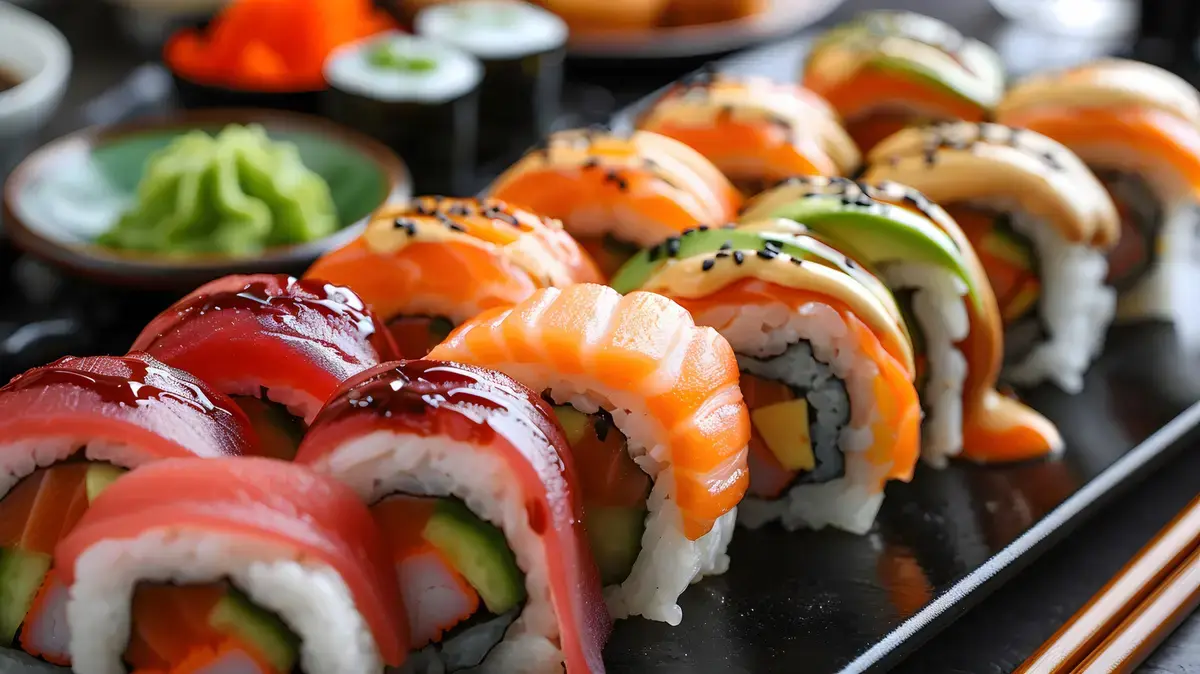
Japan Bans Popular Sushi Fish
A Delicacy Turns Deadly
Japan has prohibited the sale of a prized sushi fish due to health concerns. The fish, known for its rich flavor, has been a staple in high-end cuisine. Authorities made the decision after numerous reports of adverse reactions. The ban took effect in June 2026.
Latest news
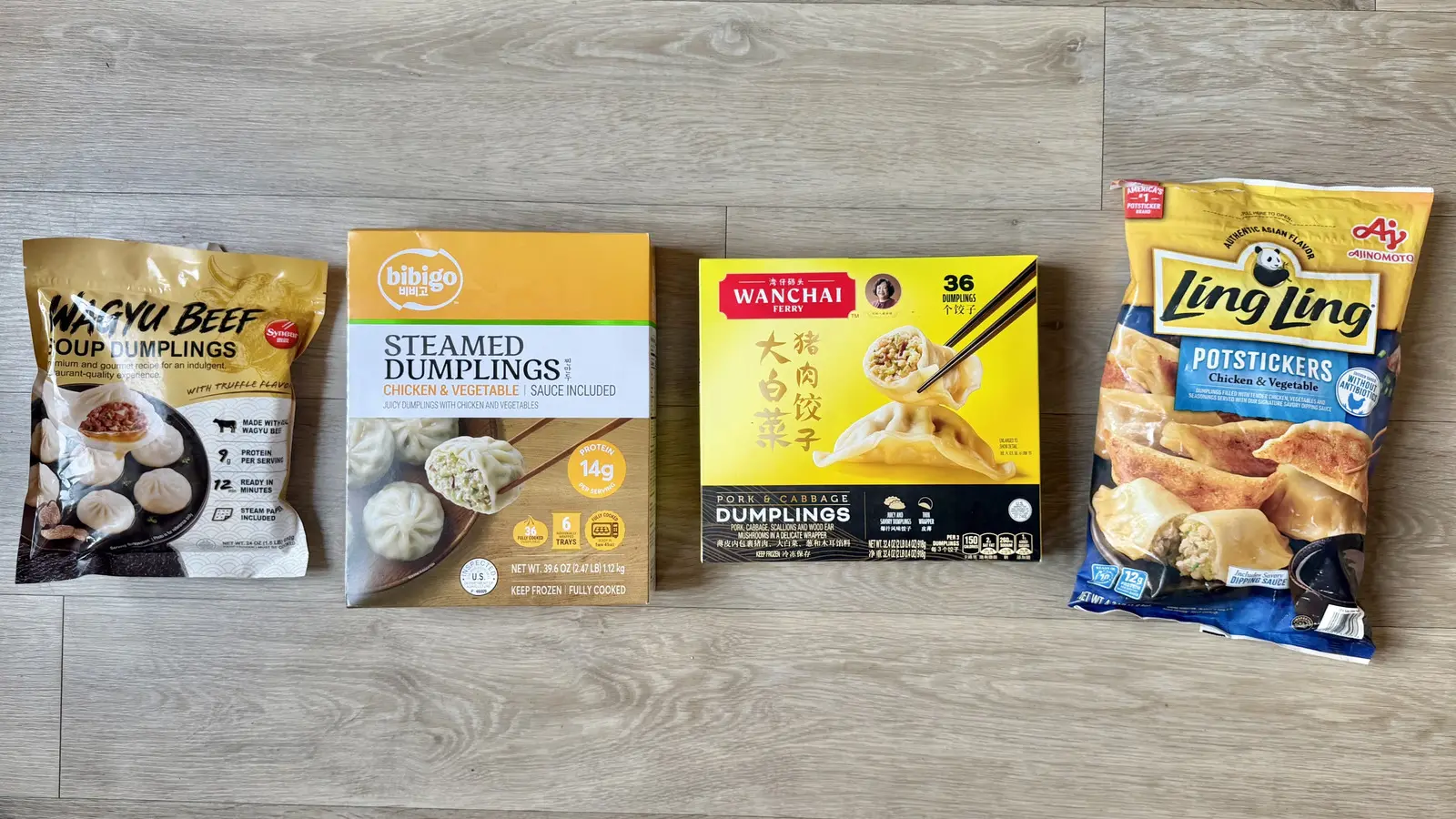 Costco's Frozen Dumpling Lineup, Ranked From Least To Most Tasty
 Best stainless-steel frying pans 2026: expert-tested picks for searing, eggs and daily cooking
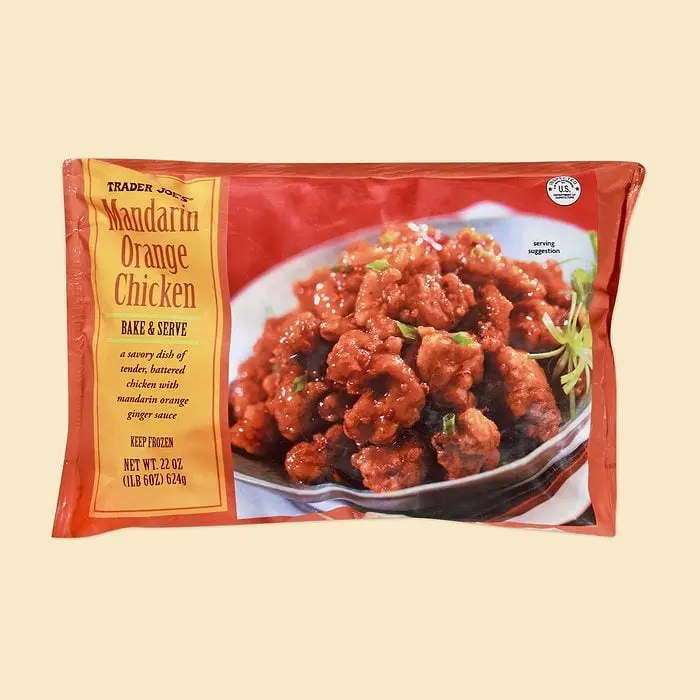 Trader Joe’s First‑Time Shopper Guide: Must‑Try Items
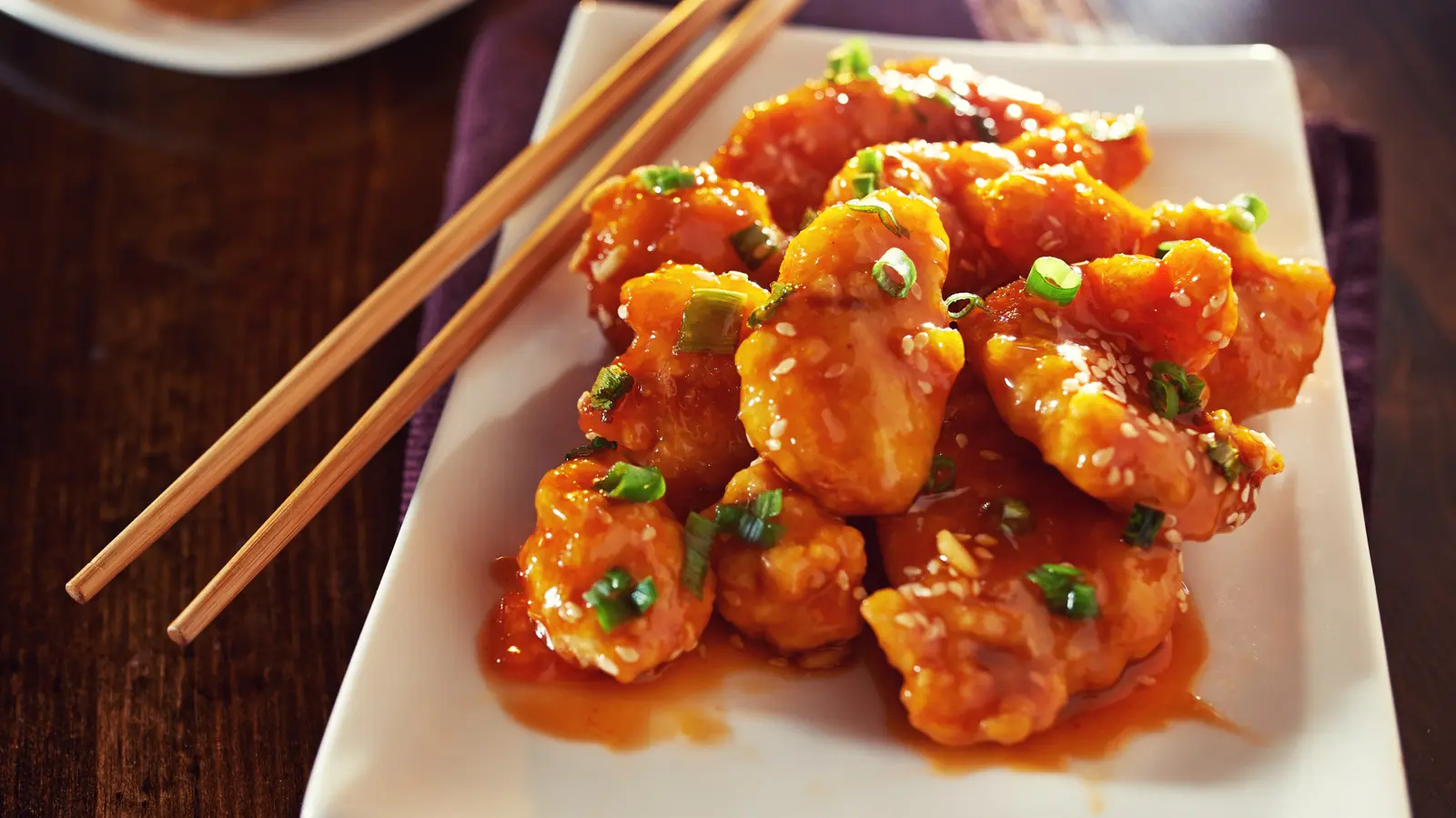 Panda Express vs P.F. Chang's: Which Orange Chicken Is Healthier?
The fish, often described as buttery and smooth, is a delicacy in Japanese cuisine. However, consuming it can trigger severe side effects, making it a public health risk. As a result, the government intervened to protect consumers.
Is Sushi Safety at Risk?
The language used to describe this fish highlights its luxurious status. Chefs and food critics praise its melt-in-your-mouth texture and rich flavor. Unfortunately, the fish contains a toxin that can cause severe reactions, including food poisoning.
Some consumers have reported experiencing symptoms after eating the fish, ranging from mild discomfort to life-threatening conditions. The toxin is not destroyed by cooking, making even properly prepared dishes a risk.
The ban has raised questions about the safety of other sushi fish. While some species are considered safe, others may pose similar health risks. Experts are now calling for a comprehensive review of sushi fish safety standards.
Frequently Asked Questions
The ban is expected to have significant consequences for the sushi industry. Restaurants and suppliers will need to adapt to the new regulations, potentially leading to changes in menu offerings and supply chains. Consumers may also need to adjust their expectations and dining habits.
What is the fish that Japan banned? The fish is a popular sushi species known for its rich flavor and smooth texture. Is all sushi fish safe to eat? Not all sushi fish is safe; some species contain toxins that can cause adverse reactions. Will the ban affect sushi restaurants worldwide? The ban may influence global sushi trends, as Japanese cuisine is a significant reference point for sushi restaurants worldwide.
Content written by Isabelle Fontaine for fancy-meals.com editorial team, AI-assisted.