
Hybrid Grapes Rise in New England Vineyards
Resilience Against Shifting Weather Patterns
A powerful thunderstorm recently swept through southern New Hampshire, bringing winds near forty miles per hour. Temperatures plummeted twenty degrees within minutes. The cloudburst dumped nearly an inch of rain on vulnerable vines. This extreme weather highlights the growing challenges facing traditional viticulture in the region. Young winemakers are now turning to resilient alternatives to protect their crops. They seek varieties that can withstand such volatile climatic conditions without losing quality.
Latest news
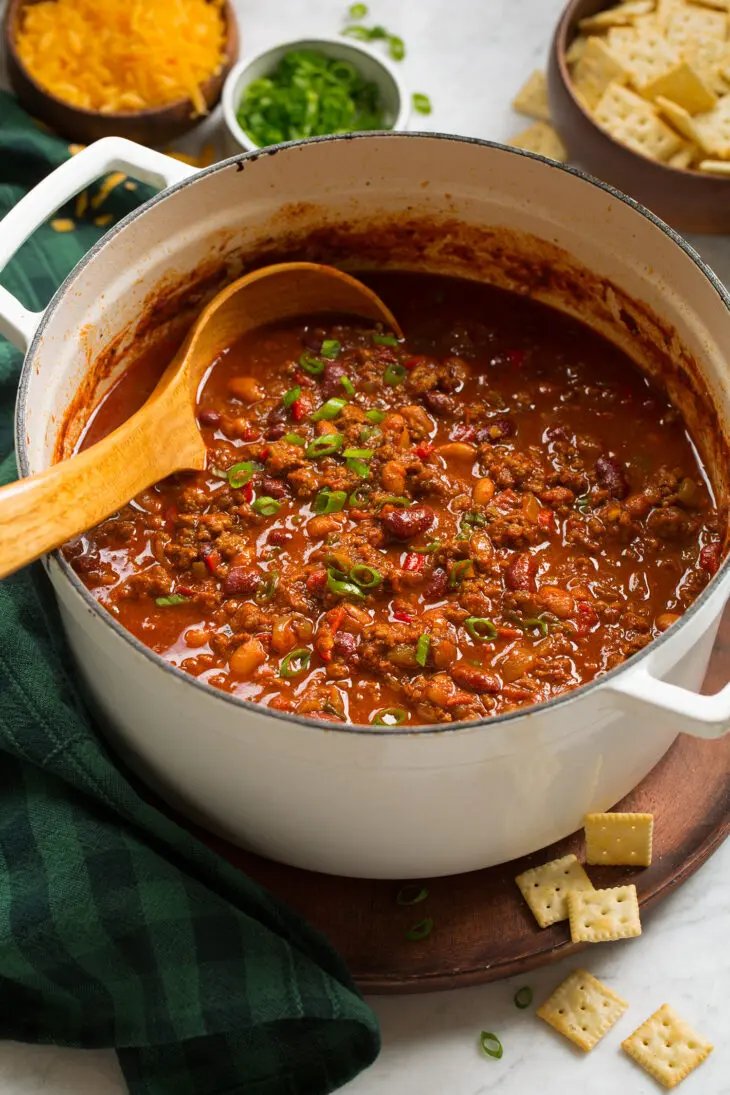 The Ultimate Homemade Chili Recipe for Cold Weather
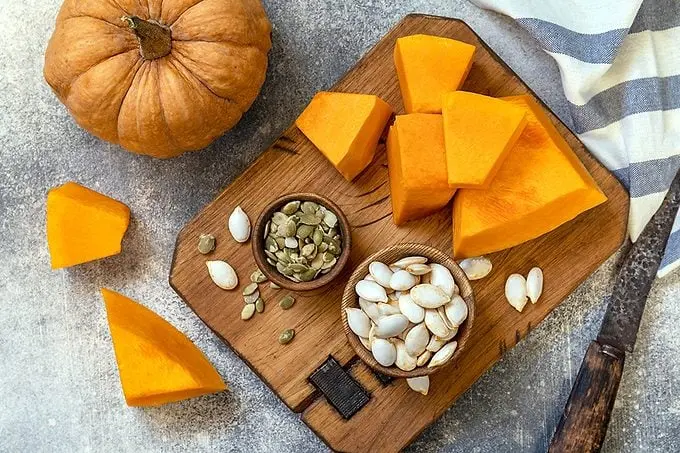 The Nutritional Power of Pumpkin Beyond Seasonal Desserts
 A Culinary Journey Through the 30th Epcot International Food and Wine Festival
 Burger King Unleashes Hello Kitty Kids' Meal with Ultra-Rare Golden Collectible
These emerging growers are betting on hybrid grape cultivars. Unlike classic European varieties, hybrids possess genetic traits suited for harsher environments. They resist common fungal diseases and tolerate colder temperatures better. This resilience is crucial as climate patterns become increasingly unpredictable. The shift represents a significant departure from long-standing industry norms. It reflects a pragmatic approach to preserving local wine production.
Traditional viticulture often relies on delicate varietals like Chardonnay or Pinot Noir. These grapes thrive in stable, mild climates. However, New England summers are becoming hotter and wetter. Winters remain severe, creating a difficult window for growth. Hybrid grapes offer a buffer against these extremes. They require fewer chemical treatments to prevent rot and blight. This reduces labor costs and environmental impact for small farms.
Can Local Varieties Replace Imported Standards?
Many of these new plantings focus on specific American-bred varieties. Breeders have spent decades developing strains that fruit reliably in northern latitudes. The result is a diverse portfolio of reds and whites. Some taste remarkably similar to their European counterparts. Others offer unique flavor profiles distinct from standard market offerings. Winemakers report that consumers are receptive to this change. Taste tests show high acceptance rates for these new styles.
The economic implications of this shift are substantial. Importing grapes or relying on distant supply chains carries risks. Local hybrids reduce dependency on global logistics. They allow producers to control quality from vine to bottle. This vertical integration strengthens regional identity. It also supports local agricultural economies. Farmers can sell surplus fruit to nearby processing facilities. This creates a tighter, more efficient food web within the state.
Critics argue that hybrids lack the prestige of old-world wines. Purists may view them as a compromise. Yet, practicality is winning over tradition in many cellars. The demand for locally sourced beverages continues to grow. Consumers value provenance and sustainability. Hybrid grapes align perfectly with these modern values. They prove that great wine does not need to come from France or Italy. It can be grown right here in the northeastern United States.
The future of American wine looks increasingly regional. As climate change accelerates, adaptation becomes mandatory. New England serves as a testing ground for these methods. Success here could influence practices across the entire country. Producers who embrace flexibility will likely thrive. Those clinging to rigid traditions may struggle. The storm in New Hampshire was just one example. Many more will follow. The vines must be ready.
Frequently Asked Questions
Why are hybrid grapes gaining popularity? Hybrid grapes are more resistant to disease and cold temperatures. They help winemakers adapt to unpredictable weather patterns in northern regions.
Do hybrid wines taste different from traditional ones? Some hybrid wines mimic classic European flavors closely. Others develop unique profiles that distinguish them from standard varietals.
Is this trend limited to New England? While prominent in New England, similar shifts are occurring nationwide. Growers across the US are experimenting with hardy varieties to ensure long-term viability.
Content written by Isabelle Fontaine for fancy-meals.com editorial team, AI-assisted.