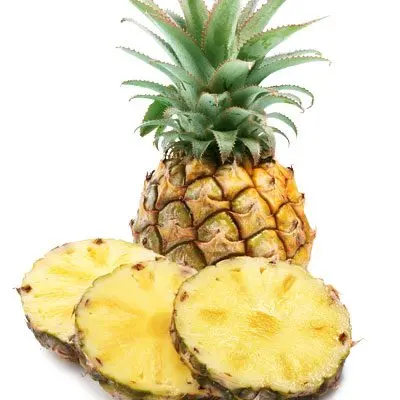
How to Slice a Pineapple Like a Pro
Mastering the Basic Technique
A bustling farmer’s market in Portland, Oregon, just closed its gates, and a bright, golden pineapple sits on a wooden table. The fruit’s spiky crown and juicy interior promise a burst of tropical flavor, but many shoppers hesitate at the thought of cutting it. Local chef Maya Patel explains that with a few simple steps, anyone can transform this prickly fruit into perfect bite‑sized pieces for salads, desserts, or grilled skewers.
Latest news
 Prosciutto Elevates the Classic Grilled Cheese Sandwich
 Costco Frozen Shrimp Rivals Steakhouse Appetizers
 Skip Store‑Shelf German Chocolate for This Rich Duncan Hines Cake Mix
 Severed Sun: A Blood-Red Bourbon Halloween Cocktail
The pineapple is a staple in many cuisines worldwide, prized for its sweet‑tart taste and nutritional benefits. It contains vitamins C and B6, manganese, and dietary fiber, which aid digestion and boost immunity. Because of its high sugar content, it is often used in moderation, but its versatility makes it a favorite in both sweet and savory dishes. Understanding how to cut a pineapple efficiently reduces waste and preserves the fruit’s natural juices.
Why Proper Cutting Matters
First, trim the top and bottom of the pineapple so it sits flat on the cutting board. Next, remove the outer skin in a downward, circular motion, following the fruit’s natural curve. Once the skin is off, you will see a „heart” of green flesh in the center. Slice the pineapple into quarters lengthwise, then cut each quarter into thick, uniform slices. Finally, cut each slice into smaller cubes or wedges, depending on the intended use. This method yields clean, evenly sized pieces that hold their shape during cooking or baking.
Chef Patel notes that the key to a tidy cut is a sharp knife and a steady hand. „A dull blade can cause the fruit to bruise, which releases excess juice and makes the pineapple soggy,” she says. She also recommends using a small serrated knife for the initial skin removal, as it cuts more cleanly through the tough outer layer without crushing the flesh.
Can You Cut a Pineapple Without a Knife?
Improperly cut pineapples can result in uneven cooking or uneven sweetness. When preparing a fruit salad, for instance, uneven cubes may cook at different rates, leading to a mix of textures. In desserts, the fruit’s natural sugars can caramelize unevenly, affecting flavor balance. By following a consistent cutting method, chefs can ensure that each piece cooks uniformly and retains its natural juiciness.
Nutritionists also emphasize that cutting the pineapple properly preserves its vitamin C content. The vitamin is sensitive to heat and air exposure; minimizing the surface area exposed during cutting reduces nutrient loss. Additionally, proper cutting reduces the amount of fruit discarded, which is important for sustainability. According to a recent study by the Food Waste Institute, roughly 15% of pineapple waste occurs during preparation. Adopting the correct technique can cut this waste in half.
Frequently Asked Questions
Some home cooks wonder whether a kitchen appliance can replace a knife. The answer is yes, but with caution. A food processor with a slicing attachment can quickly remove the skin and core, but the resulting pieces may be uneven. A mandoline slicer can produce uniform slices, yet the user must guard against accidental cuts. For those uncomfortable with knives, a citrus zester can remove the skin, but it takes longer and may leave small skin fragments. Ultimately, a sharp knife remains the most reliable tool for precision and safety.
The final step in preparing a pineapple is deciding how to store it. Whole pineapples can be kept at room temperature for a few days or refrigerated for up to a week. Once cut, the fruit should be wrapped tightly in plastic wrap and placed in the fridge; it will stay fresh for 3–5 days. For longer storage, freezing the pieces is an option, though the texture may soften slightly upon thawing. Proper storage ensures that the fruit remains safe to eat and retains its bright flavor.
Content written by Miriam Nice for fancy-meals.com editorial team, AI-assisted.