Hanoi’s Smoky Bun Cha Gains Global Fame Through Celebrity Endorsement
How Charcoal Smoke Defines the Flavor Profile
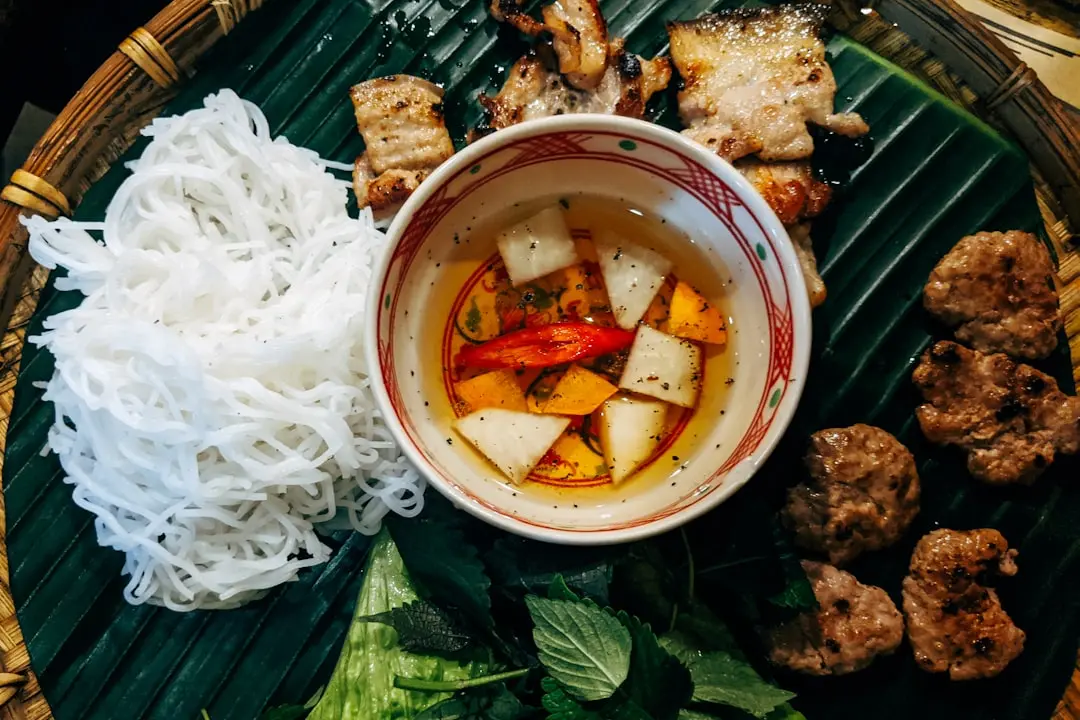
Bun cha stands as the definitive culinary symbol of Hanoi, Vietnam. This traditional dish features chargrilled pork patties and belly slices served over cold rice vermicelli noodles. The meal is completed with a sharp dipping broth and fresh herbs. Its international profile surged after President Barack Obama and food writer Anthony Bourdain enjoyed it together. Their shared experience at a small local eatery introduced millions to this beloved street food.
Latest news
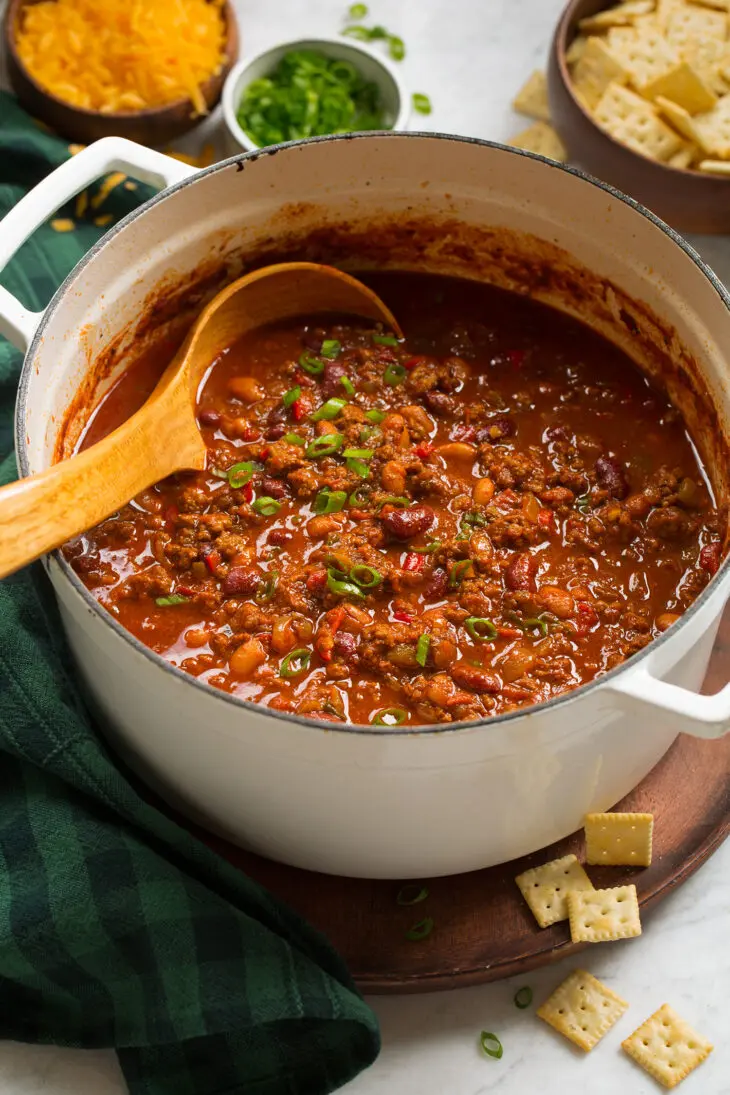 The Ultimate Homemade Chili Recipe for Cold Weather
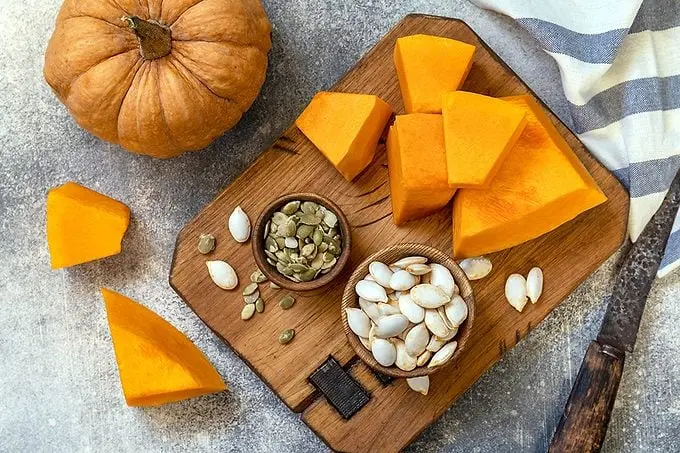 The Nutritional Power of Pumpkin Beyond Seasonal Desserts
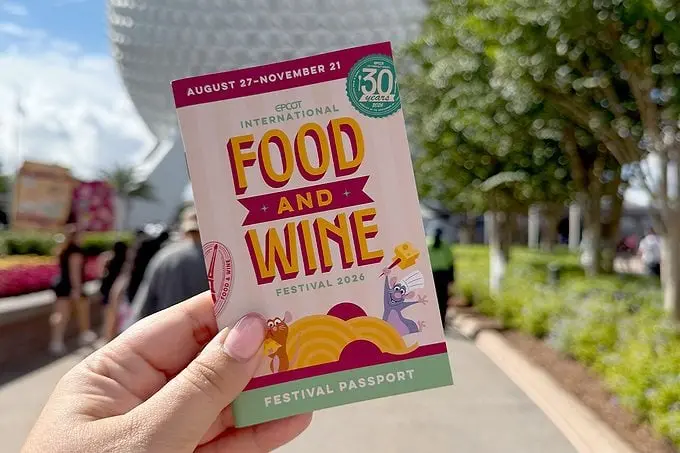 A Culinary Journey Through the 30th Epcot International Food and Wine Festival
 Burger King Unleashes Hello Kitty Kids' Meal with Ultra-Rare Golden Collectible
The appeal of bun cha lies in its complex balance of textures and temperatures. Diners encounter hot, smoky pork alongside cool, slippery rice vermicelli. The rich fat of the meat contrasts sharply with the acidity of the dipping sauce. Fresh herbs provide a bright, aromatic finish to each bite. This interplay creates a dynamic eating experience that keeps locals returning for decades. The dish represents a perfect harmony of opposing elements found in Vietnamese cuisine.
The cooking method is central to the dish’s identity. Vendors use charcoal grills to cook the pork patties and belly pieces. This process imparts a distinct smoky flavor that defines the final taste. The meat is sliced thinly and placed directly on top of the noodles. A ladle of hot broth is then poured over the assembly. This liquid dissolves into the noodles, creating a warm, savory base. The heat from the broth also wilts the fresh herbs slightly, releasing their essential oils. This technique ensures every component contributes to a unified flavor profile.
Why Celebrity Visits Boost Local Restaurant Traffic
The dipping broth plays a crucial role in the meal’s structure. It is typically sweet, salty, and tangy, often containing sugar, fish sauce, and vinegar. Diners dip the pork and noodles into this liquid before eating. This step adds another layer of complexity to the already diverse plate. The broth acts as a bridge between the solid components of the dish. It enhances the umami notes of the pork while cutting through the richness. Without this element, the meal would feel incomplete to most Hanoians.
High-profile visits significantly alter the landscape for local vendors. When Obama and Bourdain dined at a specific shop, foot traffic increased dramatically. Tourists now seek out that exact location to replicate the famous meal. This surge in demand can strain small businesses that rely on limited daily ingredients. However, it also brings much-needed revenue to the neighborhood. Other nearby shops benefit from the increased pedestrian flow. The association with global figures elevates the dish’s status beyond local borders. It transforms a simple lunch into a cultural event for visitors.
The phenomenon highlights how media coverage influences travel trends. Food writers and politicians often serve as unofficial ambassadors for regional cuisines. Their endorsements validate local traditions and encourage broader acceptance. For Hanoi, this means sustained interest in its street food culture. Restaurants must balance authenticity with the demands of a growing tourist crowd. They need to maintain quality standards while scaling production. This pressure tests the resilience of family-run establishments that have operated for generations.
Frequently Asked Questions
What are the primary ingredients in bun cha? The dish consists of grilled pork patties and belly, rice vermicelli, fresh herbs, and a dipping broth. These components are assembled in a bowl and eaten together. The combination creates a balanced meal of protein, carbohydrates, and aromatics.
Why is the pork cooked over charcoal? Charcoal grilling provides a unique smoky flavor that distinguishes bun cha from other noodle dishes. The high heat sears the meat quickly, locking in juices. This method is traditional and essential to the authentic taste profile.
How did the dish become internationally known? Global recognition came after prominent figures like Barack Obama and Anthony Bourdain visited local Hanoi restaurants. Their public discussions about the meal sparked widespread curiosity among international audiences. This led to a surge in tourists seeking the authentic experience.
Content written by Henry Cross for fancy-meals.com editorial team, AI-assisted.