Crispy Banana Cue: The Filipino Street Snack That Tastes Like Candy
Why Frying Transforms Banana Flavor
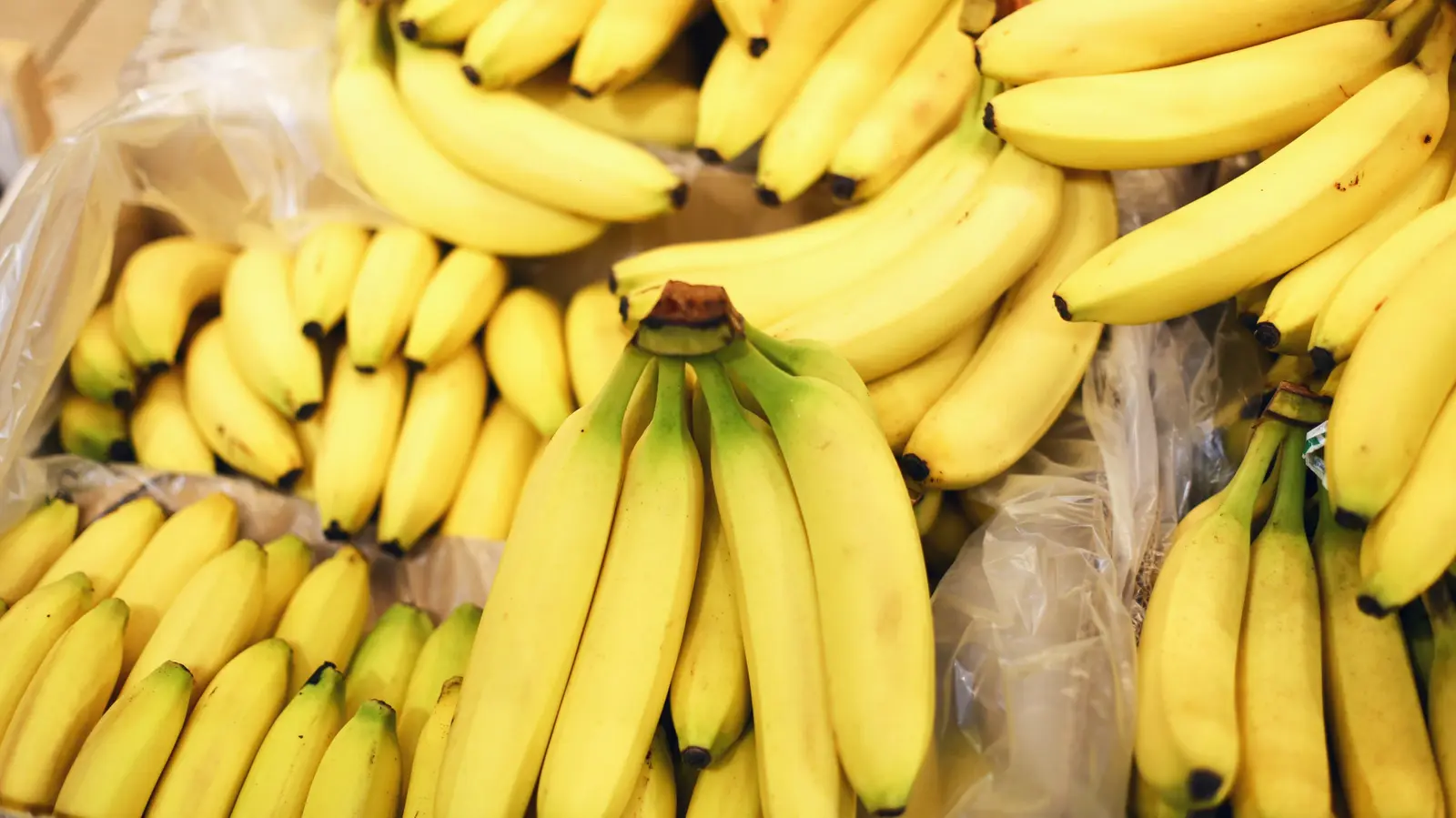
Filipino street food culture has produced a dessert that turns humble bananas into a sweet, crunchy treat known as banana cue. The snack is made by slicing ripe bananas and frying them in oil until golden brown. Brown sugar is then sprinkled over the hot fruit, melting into a sticky, candy-like glaze.
Latest news
 The Ultimate Homemade Chili Recipe for Cold Weather
 The Nutritional Power of Pumpkin Beyond Seasonal Desserts
 A Culinary Journey Through the 30th Epcot International Food and Wine Festival
 Burger King Unleashes Hello Kitty Kids' Meal with Ultra-Rare Golden Collectible
The technique relies on the natural sweetness of the banana itself. Frying intensifies this flavor while the sugar coating adds a caramelized finish. The result is a snack that is both crispy on the outside and soft on the inside, with a sweet profile that rivals commercial candy.
Frying changes the texture and flavor profile of the banana dramatically. The Maillard reaction occurs when the fruit hits hot oil, creating new aromatic compounds that smell like toffee. Brown sugar, applied while the banana is still hot, dissolves into a thin, glassy layer. This layer traps moisture and intensifies the sweetness, making each bite feel like a piece of fruit candy.
What Makes This Snack Different From Other Banana Desserts
Street vendors typically sell banana cue from carts in busy markets and school zones. The snack is cheap, quick to prepare, and requires only bananas, oil, and brown sugar. It has become a staple of Filipino street food, often enjoyed as a midday snack or a treat after meals.
Unlike banana fritters or baked banana bread, banana cue is a pure fruit preparation with no flour, eggs, or dairy. The absence of binders means the banana's own sugars are the only sweetening agent before the brown sugar is added. This makes the snack lighter and more directly fruity than most cooked banana desserts.
The snack also differs in texture. Frying creates a crisp exterior that shatters under the teeth, while the interior remains soft and juicy. The brown sugar glaze adds a sticky, sweet finish that sticks to the roof of the mouth, much like a hard candy shell.
Frequently Asked Questions
Is banana cue healthy? The snack is high in sugar and fat from the frying oil, so it is best enjoyed in moderation. The banana itself provides potassium and fiber, but the added brown sugar and oil push the calorie count higher than eating a raw banana.
Can you make banana cue at home? Yes. Slice ripe bananas into 1-inch rounds, fry in hot oil for two to three minutes per side, then sprinkle with brown sugar while hot. The sugar melts into a glaze. No flour or eggs are needed, making it a simple home kitchen project.
Where can you find banana cue? It is sold by street vendors in Filipino markets, school zones, and food courts. In the Philippines, it is a common snack, and Filipino restaurants abroad often include it on their menus as a dessert option.
Content written by [email protected] (Macy Sandel) for fancy-meals.com editorial team, AI-assisted.