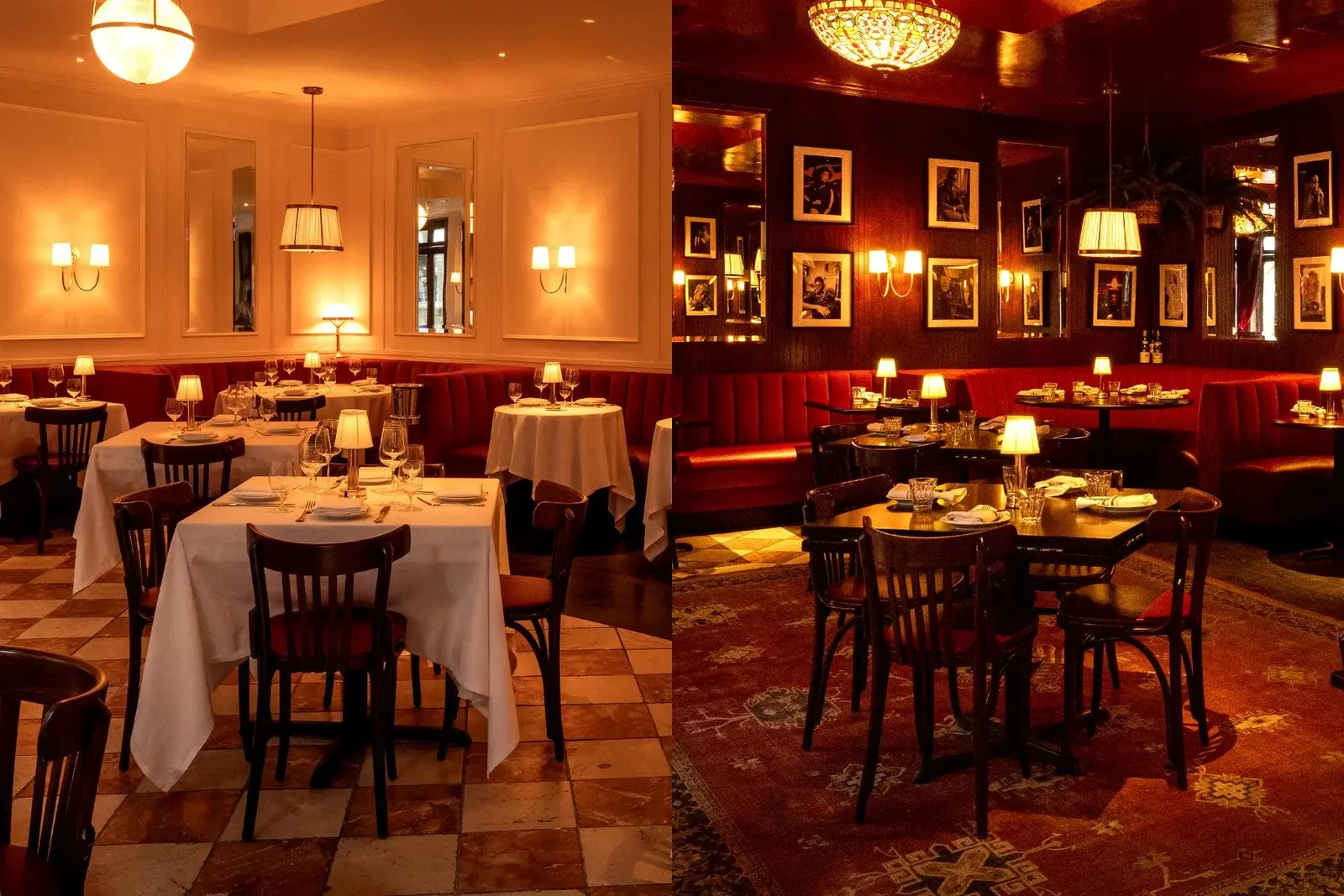
Chateau Royale brings the luxury of luxury restaurants to New York
The martini carousel has remained an important investment
The new wave of restaurant-gloss, known as swankstaurant, which redefined New York's culinary scene a year ago, now looks like a closed chapter. When the Chateau Royale opened its doors, the location symbolized the culmination of a trend in which the market's saturation of beef steak stands gave birth to a new era of ostentatious elegance, according to an analysis by Matthew Schneier of Grub Street. At the Chateau Royale table, a single tablespoon of paper stock filled with icing and cream cream costs $39, and the highlights of the menu were a thermidor lobster priced at $72, and a fish from Dover for $90. Martinis, served at a special carousel, sold for $24 each. At the time of its release, co-owner Cody Pruitt described the concept as a form of familiarity dressed in a brooch, suggesting a higher level of sophistication.
Latest news
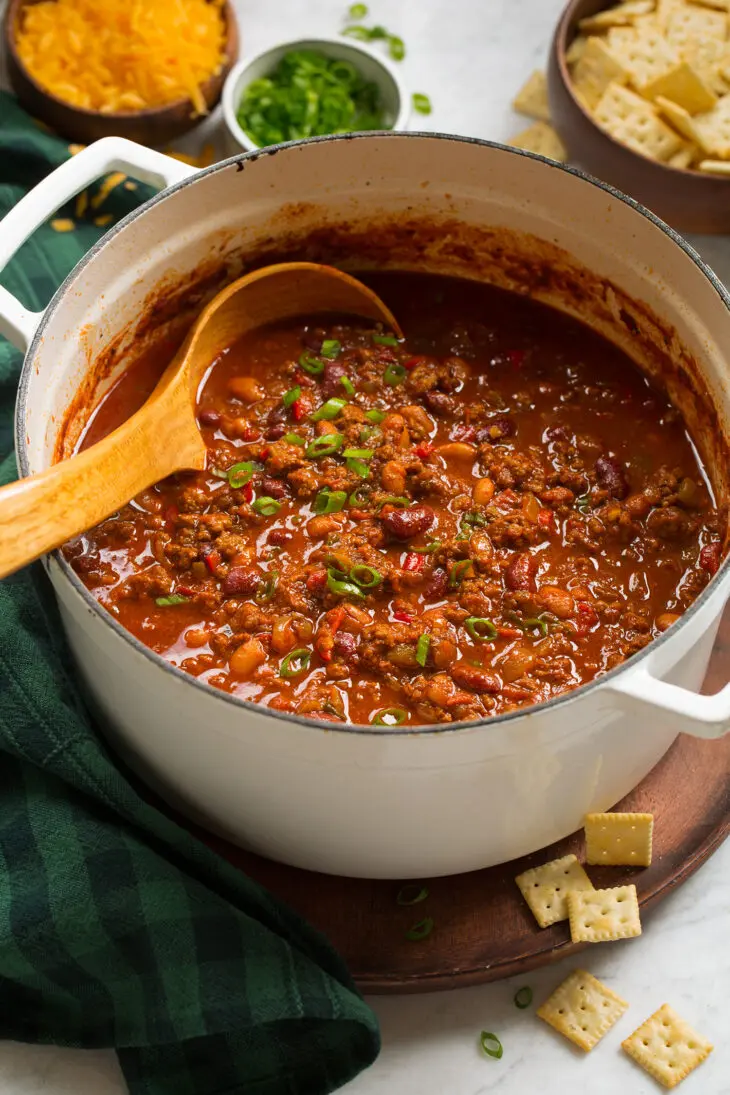 The Ultimate Homemade Chili Recipe for Cold Weather
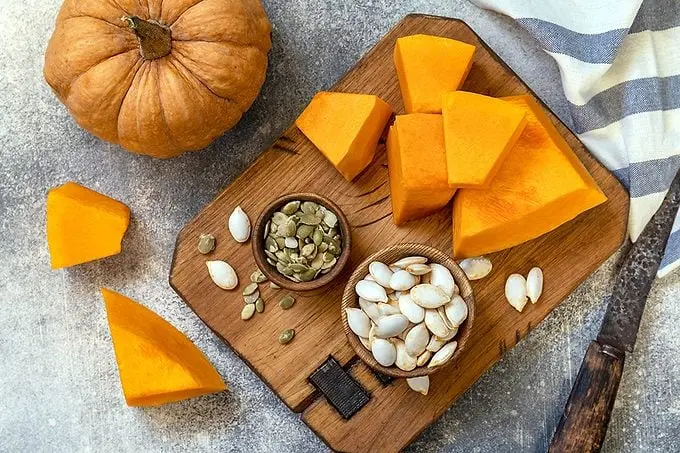 The Nutritional Power of Pumpkin Beyond Seasonal Desserts
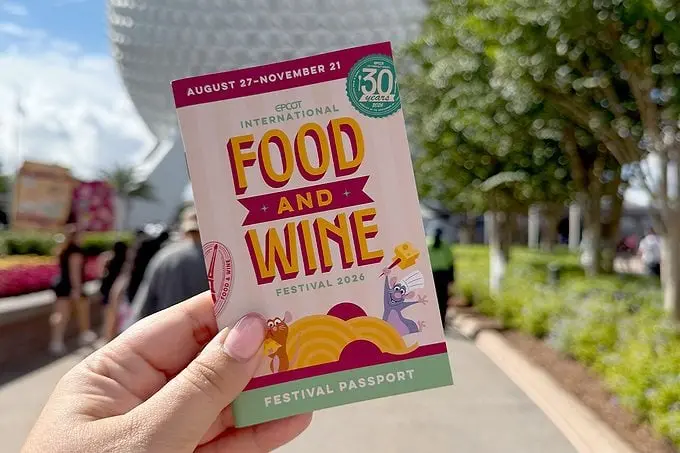 A Culinary Journey Through the 30th Epcot International Food and Wine Festival
 Burger King Unleashes Hello Kitty Kids' Meal with Ultra-Rare Golden Collectible
However, this vision was replaced in August by Floradora, a radically different concept, owned by the same investors, who now opt for a relaxed aesthetic, similar to a pair of jeans and a t-shirt. The new menu includes mozzarella sticks for $17, hand-breaking garlic bread for $7, and vodka dough for $25. Here, the classic pepper-flavored steak is priced at $49, a significant reduction from the $69 variation at the Chateau. Although bavet is used instead of filea mignon, the argument is that the filea is reserved for special occasions, while the Floradora is designed to be frequented not just on one evening but on many ordinary evenings. Pruitt defines this concept as everyday luxury, centered on generosity, simplicity, and the feeling of being welcomed.
The martini carousel has remained an important investment, but prices have dropped as the staff at the table now covers the role of an assistant dedicated exclusively to the carousel. In recent months, Pruitt and his business partner, Jacob Cohen, have made two such major transformations, almost directly reflecting the current economic climate. In June, the French Libertine bistros, where a duck preparation for two people costs $72 in 2023, were replaced by Captains. Here, excluding the icing towers and seafood, the most expensive item on the menu is $52 steak fries, most of which cost under $30, with more snack options to allow for less demanding visits. Pruitt observes that at one point, the environment around both restaurants changed, becoming increasingly aware of the real cost to customers and the frequency with which they can use such a place.
Prices can only rise to a certain level before polluters give up the whole
He highlights the difference between a restaurant that actually belongs to a neighborhood and one that simply takes up space in it. The logic accepted in the years of galloping inflation suggests that once prices reach a critical threshold, they never come back down. The 2021 bills are a bit of a shock to the purchasing power a few years ago. A $30 burger in a fancy place has gone from a spectacular novelty to a surprisingly common presence. The $20 cocktail paved the way for the $24 cocktail, and given this escape rate, drinks over $30 on current menus were inevitable. Every month brings a new absurdity — $60 bread, $40 half chicken — that makes people wonder who's buying more.
Prices can only rise to a certain level before polluters give up the whole process, and restaurants, no matter how counterintuitive they may seem, set their prices until they disappear. For the owners of some top restaurants, the current economic landscape has generated an existential reflection: Does everyone really want the most commonly shared staples of nearly $100 on a typical midweek evening? What's the use of a luxurious and glamorous restaurant that many customers could only go to once or twice? In a reassessment similar to Pruitt and Cohen's, some operators across the country have taken the same step: turning their top-tier restaurants into more affordable models, hoping they will be more sustainable for both customers and themselves.
If the steak houses and restaurants 'swank ' of 2025 represented, at best, a display of status aspirations (and, at worst, a growing economic stratification of American society), the restaurants transformed in 2026 represent a necessary reconciliation with the reality in which our collective foundations seem more unstable than ever. Several luxury restaurants in Los Angeles, where even bars are now lowering prices, have come to the same conclusion. When Anthony Wang's Firstborn and Mei Lin's 88 Club respectively opened in the spring of 2025, the two venues represented a
Content written by Victoria Lane for fancy-meals.com editorial team, AI-assisted.