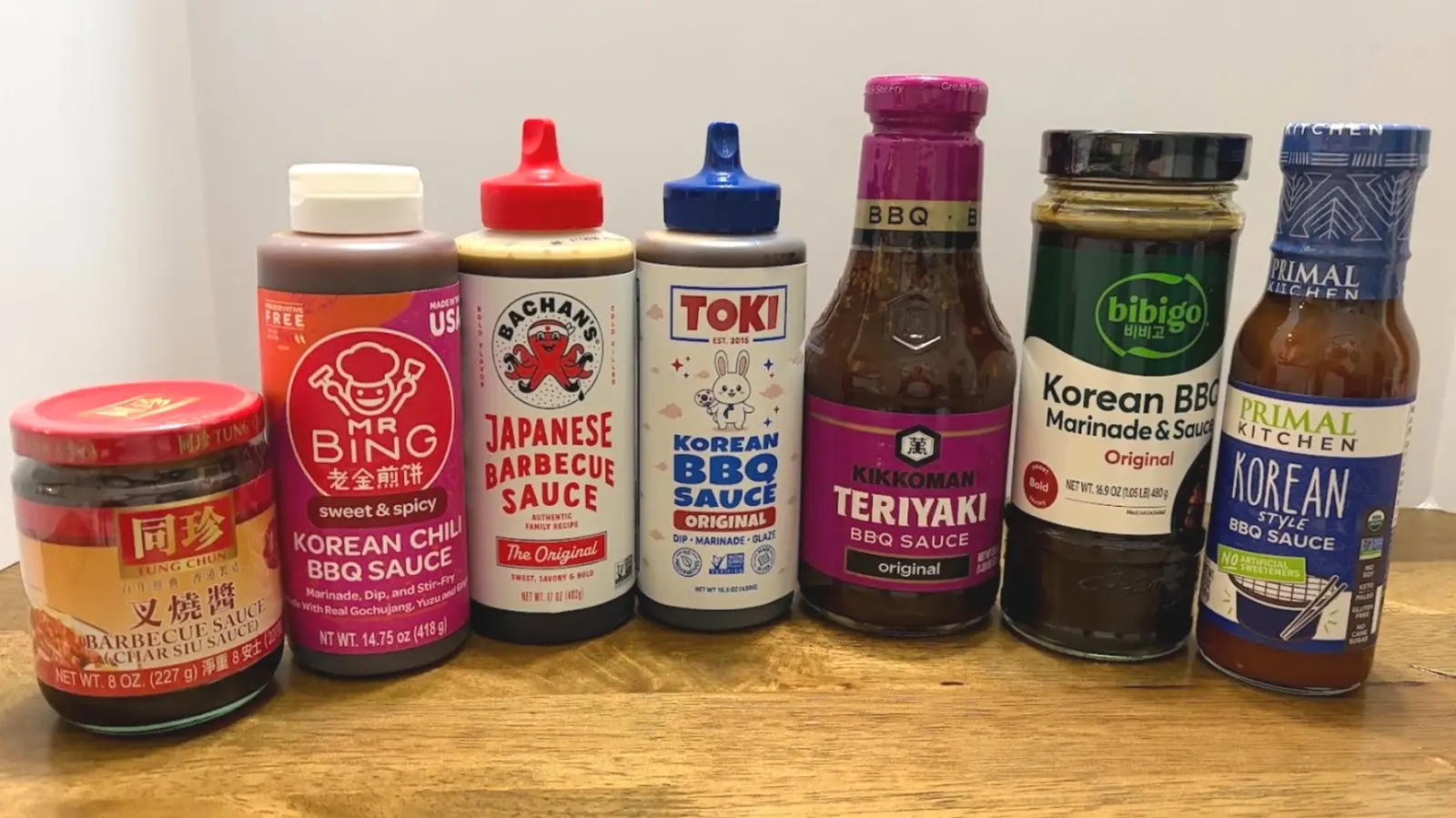
Asian-Style BBQ Sauces: A Taste Test of Seven Store‑Bought Brands
Sweet Heat Meets Umami: The Top Performers
The market for Asian‑inspired barbecue sauces has surged as home cooks look for alternatives to classic American rubs. Seven popular brands—ranging from sweet‑spicy Korean gochujang blends to smoky Japanese yakitori glazes—were sampled this month in a blind tasting. The test aimed to rank the sauces on flavor depth, versatility, and ingredient quality, offering shoppers a clear guide for grocery aisles across the United States.
Latest news
 What Likely Appeared on the First Thanksgiving Menu in 1621
 Anthony Bourdain’s Most Unforgettable Meals on „No Reservations”
 Mastering the Art of Perfect Pie Baking
 Chocolate Peppermint Whoopie Pies: Holiday Treats Made Easy With Boxed Mix
The evaluation focused on how each sauce balances soy‑based umami with traditional barbecue sweetness. Testers prepared marinades for chicken, drizzled sauces over grilled vegetables, and used them as dipping companions for spring rolls. Brands that relied heavily on artificial additives scored lower, while those that incorporated real ginger, garlic, and fermented beans earned higher marks. The ranking reflects both taste and the sauces’ ability to enhance a variety of dishes without overpowering them.
The highest‑rated sauce combined gochujang paste with a modest honey glaze, delivering a lingering heat that complemented pork ribs without burning the palate. Reviewers praised its thick texture, which clung to meat during grilling, and its clean ingredient list that featured non‑GMO soy sauce and real chili flakes. The runner‑up was a Japanese‑style teriyaki glaze enriched with mirin and a hint of toasted sesame oil, offering a subtle sweetness that worked well on salmon and tofu alike. Both sauces demonstrated how traditional Asian flavor foundations can translate into a barbecue context, providing depth beyond the usual ketchup‑based sauces.
Which Sauce Falls Short? A Critical Look at the Bottom Rankings
Mid‑range entries included a Chinese five‑spice barbecue sauce that leaned on star anise and cloves, delivering a fragrant profile but occasionally masking the natural taste of the protein. A Thai‑inspired chili‑lime sauce offered bright acidity, ideal for shrimp skewers, yet its thin consistency limited its use as a glaze. These middle‑ranked products illustrate the trade‑off between bold seasoning and functional versatility.
The lowest‑scoring sauce relied on high fructose corn syrup and artificial flavorings, resulting in a cloying sweetness that overwhelmed the soy base. Testers noted a lingering aftertaste that lingered on the palate, making it unsuitable for dishes that require subtlety. Another poorly rated option attempted to mimic Korean flavors but used a generic soy sauce without the depth of fermented bean paste, leaving it flat and one‑dimensional. These findings suggest that cost‑driven formulations often sacrifice the nuanced balance that defines authentic Asian barbecue.
Overall, the tasting underscores a growing consumer appetite for sauces that marry the smoky allure of barbecue with the savory complexity of Asian cuisine. As grocery shelves continue to stock more diverse options, shoppers can expect higher-quality products that respect traditional ingredients while delivering grill‑ready convenience. Brands that prioritize authentic flavor components and avoid excessive sweeteners are poised to dominate the niche market in the coming years.
Frequently Asked Questions
What makes an Asian‑style BBQ sauce different from a traditional American one? Asian sauces typically use soy sauce, tamari, or fermented bean pastes as a salty base, adding umami depth, whereas American sauces often rely on ketchup, molasses, or brown sugar for sweetness.
Can these sauces be used beyond grilling? Yes, they work well as stir‑fry sauces, marinades for raw proteins, or dipping sauces for dumplings and spring rolls, thanks to their balanced flavor profiles.
Are there any health considerations when choosing these sauces? Look for products with low sodium, minimal artificial additives, and natural sweeteners like honey or maple syrup. Checking the ingredient list can help avoid excess sugars and preservatives.