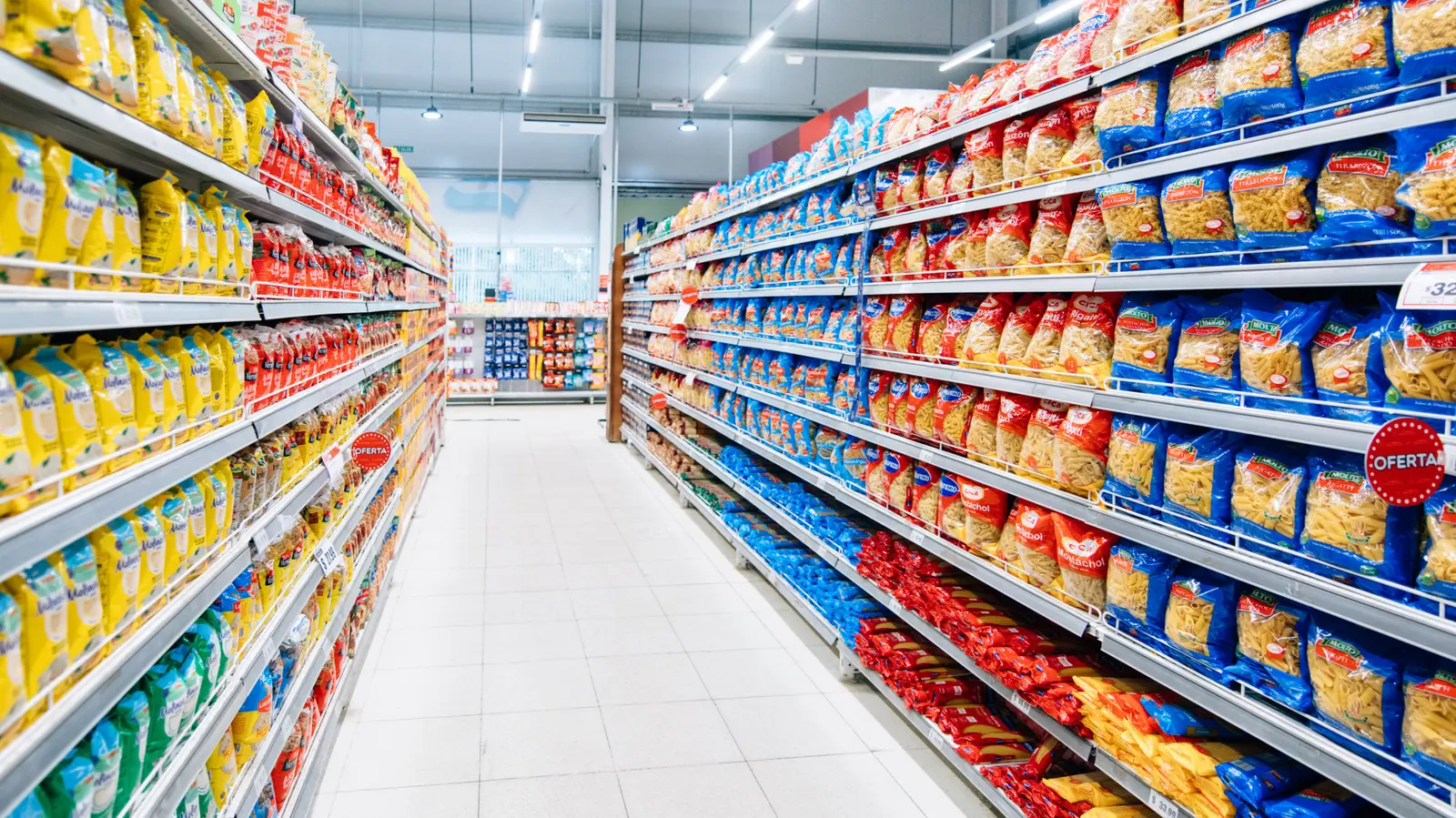
A Pro Chef Warns Against Buying America's Most Popular Dried Pasta Brand
Why Does Extrusion Method Matter for Pasta Quality?
A professional chef has advised home cooks to skip purchasing the most widely recognized dried pasta brand sold in U. S. grocery stores, citing concerns about its texture and cooking performance. The recommendation comes after extensive testing of various supermarket pasta options, where the chef found that this particular brand consistently fails to deliver the ideal al dente result. Despite its popularity and ubiquitous presence on pantry shelves, the chef argues that its quality does not justify its widespread use, especially for those seeking authentic Italian pasta experiences at home.
Latest news
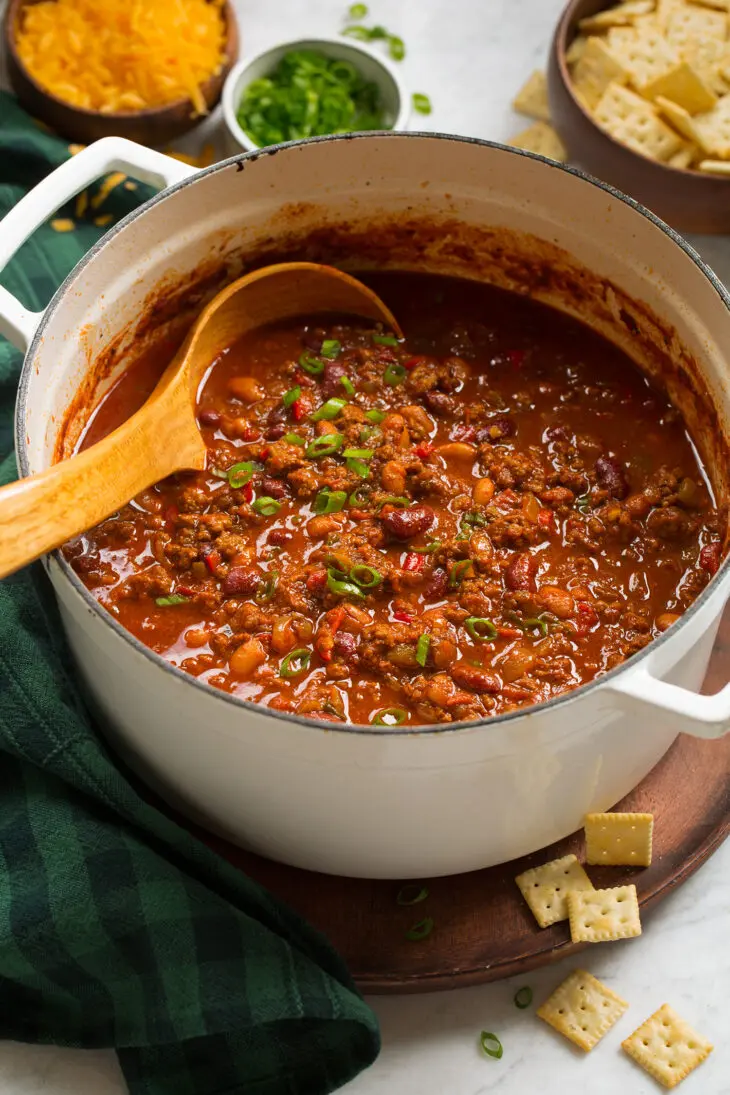 The Ultimate Homemade Chili Recipe for Cold Weather
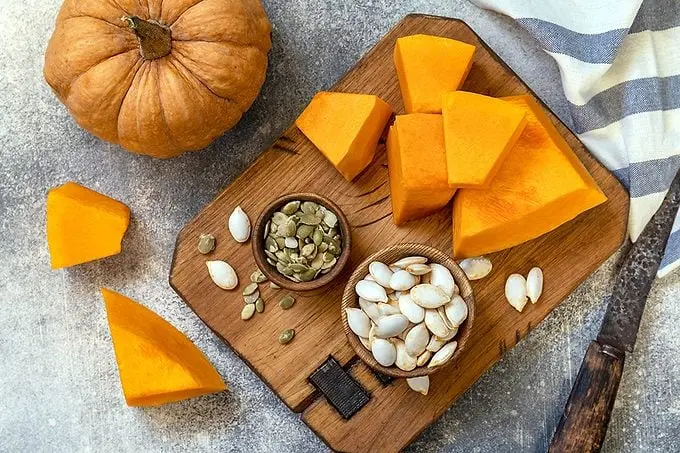 The Nutritional Power of Pumpkin Beyond Seasonal Desserts
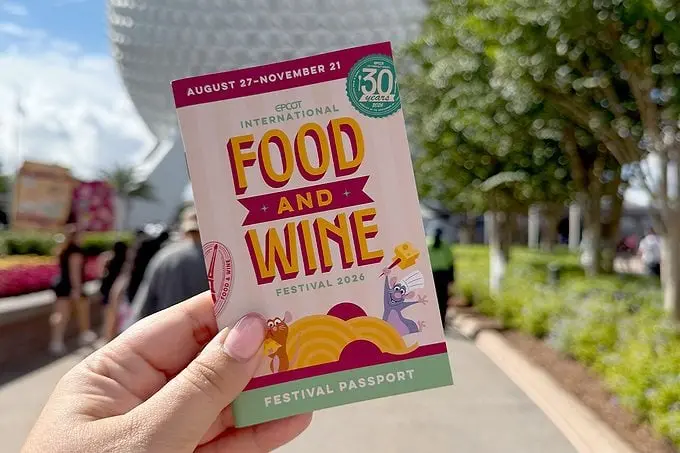 A Culinary Journey Through the 30th Epcot International Food and Wine Festival
 Burger King Unleashes Hello Kitty Kids' Meal with Ultra-Rare Golden Collectible
The chef explained that the issue lies in the pasta's production process, which prioritizes shelf stability and mass appeal over traditional craftsmanship. This results in a product that absorbs water unevenly and tends to become mushy or gummy when cooked, even when following package instructions precisely. In contrast, lesser-known brands that use bronze dies and slower drying methods produce pasta with a rougher surface that holds sauce better and maintains its structure during cooking. The chef emphasized that while flour and water are the only ingredients needed for pasta, the method of extrusion and drying dramatically affects the final dish.
What Should Home Cooks Look for When Buying Dried Pasta?
The way pasta is shaped plays a critical role in how it interacts with sauce and heat during cooking. Pasta made with bronze dies has a porous, textured surface that allows sauces to cling effectively, enhancing flavor distribution. Conversely, pasta produced with Teflon dies—which is common in mass-market brands—emerges smooth and slick, causing sauce to slide off rather than adhere. The chef noted that this difference is especially noticeable with lighter sauces like olive oil and garlic or simple tomato basil, where every bite should be evenly coated. He demonstrated this by cooking two identical batches side by side, showing clear visual and textural disparities.
Consumers should seek out pasta labeled as bronze die-cutand slow-dried,terms often found on artisanal or imported Italian packages. These indicators suggest a production method closer to traditional techniques, even if the brand isn't household-name famous. The chef also recommended checking the ingredient list—authentic dried pasta should contain only durum wheat semolina and water, with no additives or preservatives. While these options may cost slightly more, he argued that the improvement in taste and texture makes them worth the investment, particularly for dishes where pasta is the star rather than just a filler.
Is the most popular pasta brand unsafe to eat? No, the chef did not claim the brand is unsafe or unhealthy; his critique is based solely on quality, texture, and culinary performance, not safety or nutritional content.
Frequently Asked Questions
Can I still use this pasta if I already have it at home? Yes, the chef said it’s acceptable for casual meals or when no alternatives are available, but he encourages upgrading for better results in dishes where pasta quality significantly impacts the outcome.
Does this advice apply to fresh or frozen pasta? No, the recommendation specifically concerns dried pasta sold in boxes or bags; fresh or frozen pasta follows different quality standards and is not part of this evaluation.
Content written by Henry Cross for fancy-meals.com editorial team, AI-assisted.